
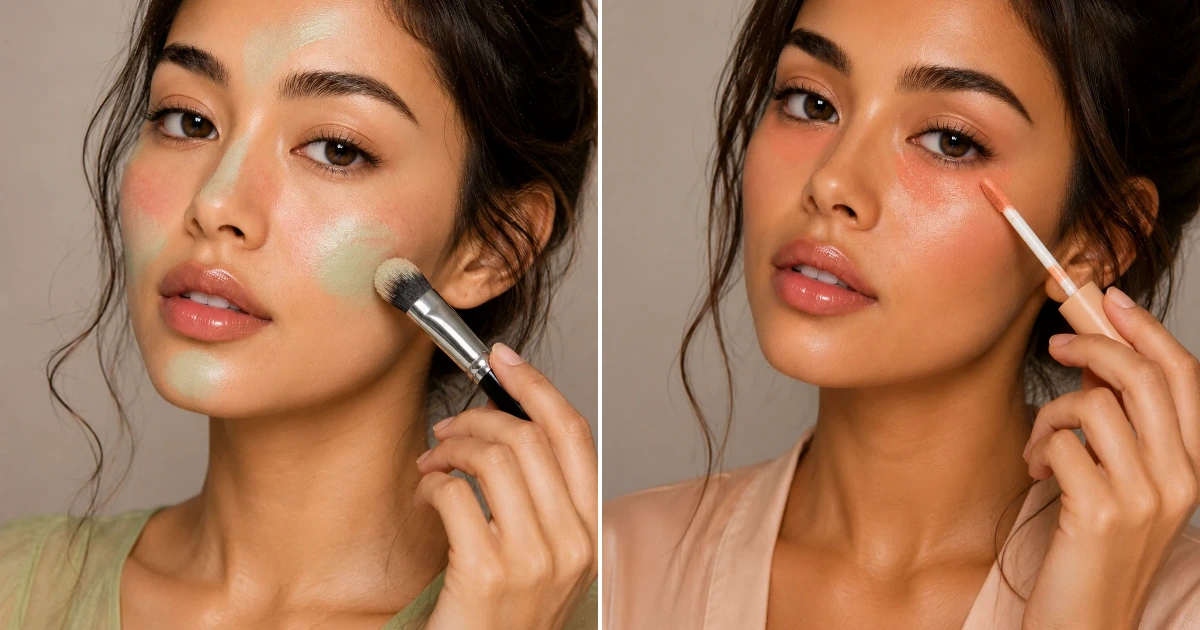
Color correction makeup is the technique of using specific color-toned products to neutralize discoloration, redness, dark circles, and uneven skin tone before foundation application.
Color correction makeup has become one of the most valuable beauty skills for achieving smooth, even-looking skin without piling on heavy foundation. Makeup artists have relied on color theory for years, but social media, beauty influencers, and celebrity makeup tutorials have made these techniques more accessible than ever. According to Byrdie Makeup,The magic of color correction makeup is that it works smarter, not harder. Instead of covering discoloration with layers of product, strategic color correctors neutralize unwanted tones before foundation even touches the skin. Whether you’re dealing with redness, dark circles, hyperpigmentation, dullness, or discoloration, mastering color correction makeup can completely transform your routine. Here are seven expert-approved techniques that help create a more flawless complexion while keeping your makeup looking natural and fresh.
1. Green Corrector for Redness Control — color
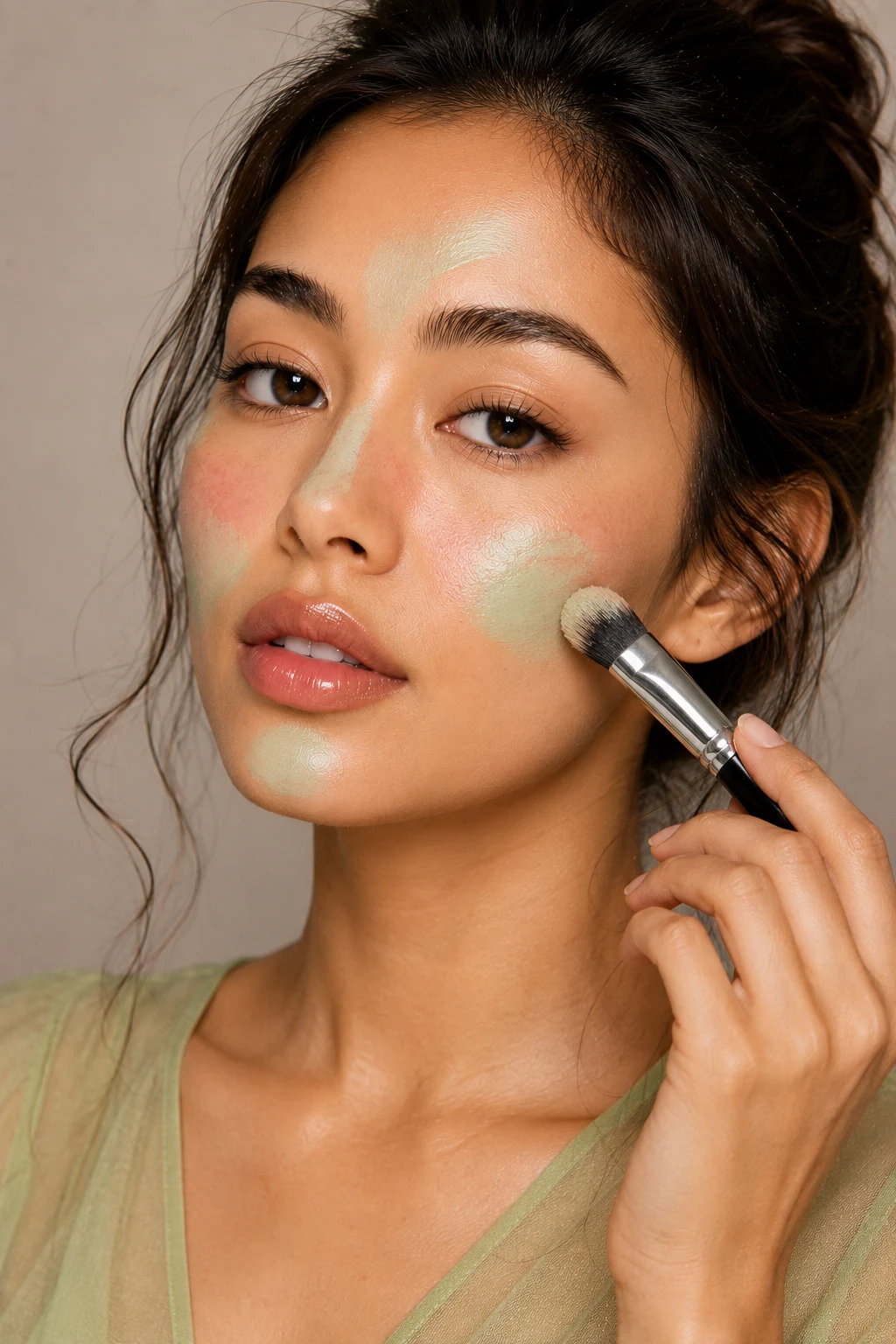
One of the most popular forms of color correction makeup involves using green pigments to neutralize redness. According to basic color theory, green sits opposite red on the color wheel, making it ideal for balancing flushed areas.
Apply a green color correcting primer or green concealer around the nose, cheeks, chin, or acne-prone areas. Use a small brush or damp sponge to blend the product into the skin before foundation. The goal is neutralization, not visible green skin.
This technique works especially well for rosacea, irritation, broken capillaries, and post-breakout redness. Makeup artists frequently use green correctors backstage because they allow lighter foundation coverage while still creating a balanced complexion.
The key to this technique is applying only a thin layer directly over red areas before foundation.
2. Peach Color Correction Makeup for Dark Circles
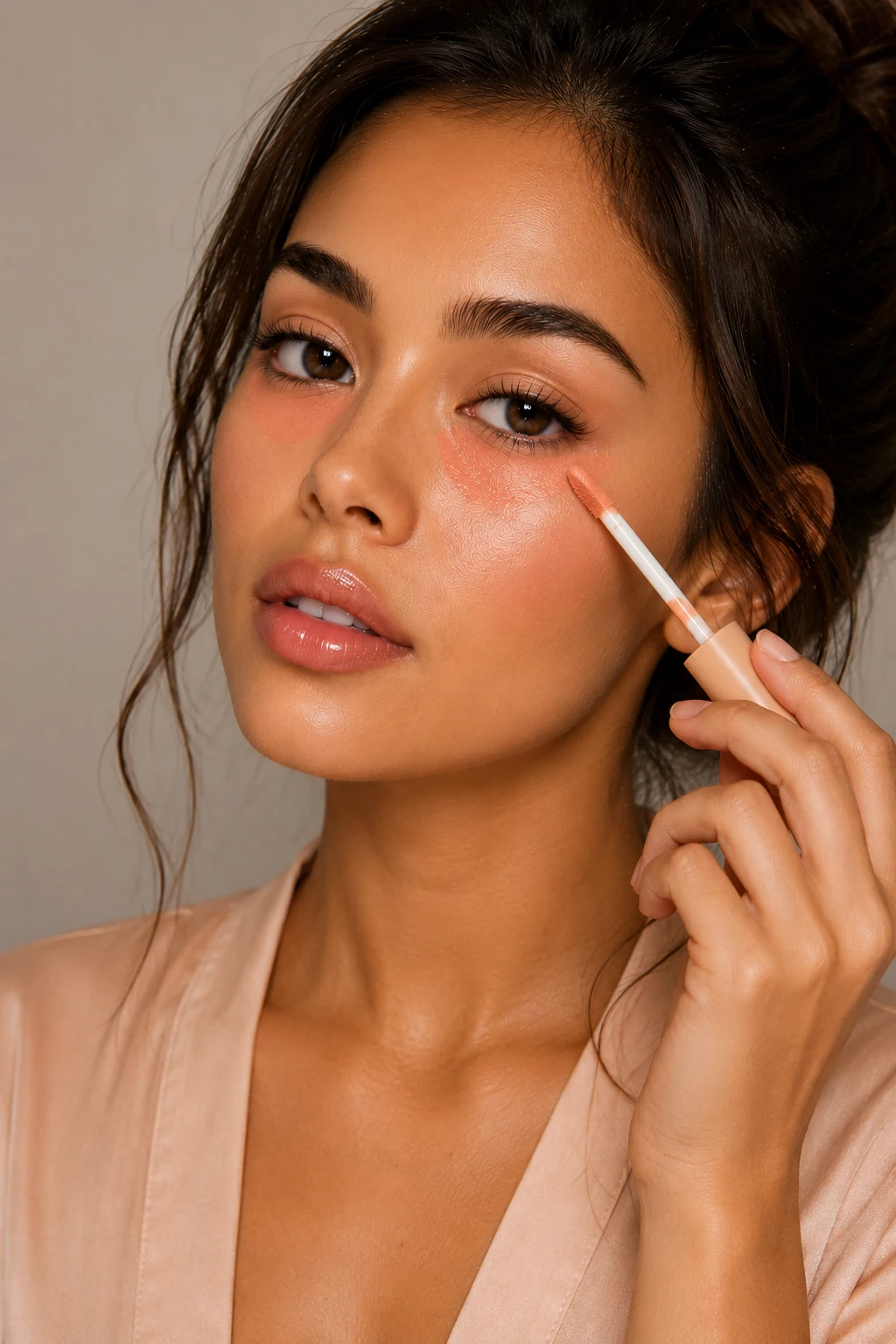
Dark under-eye circles remain one of the biggest reasons people explore color correction makeup. Peach and salmon-toned correctors help neutralize blue, purple, and gray undertones beneath the eyes.
Apply a peach corrector directly under the darkest portions of the under-eye area. Blend gently with your ring finger or a small concealer brush. Follow with a skin-tone concealer to brighten and perfect the area.
Lighter skin tones often benefit from peach shades, while deeper complexions typically see better results from orange-based correctors. This professional technique creates a brighter appearance without requiring heavy concealer layers.
If you regularly look tired despite getting enough sleep, this trick can become your secret weapon.
The key to this technique is matching the peach intensity to the depth of the discoloration.
3. Orange Color Correction Makeup for Hyperpigmentation
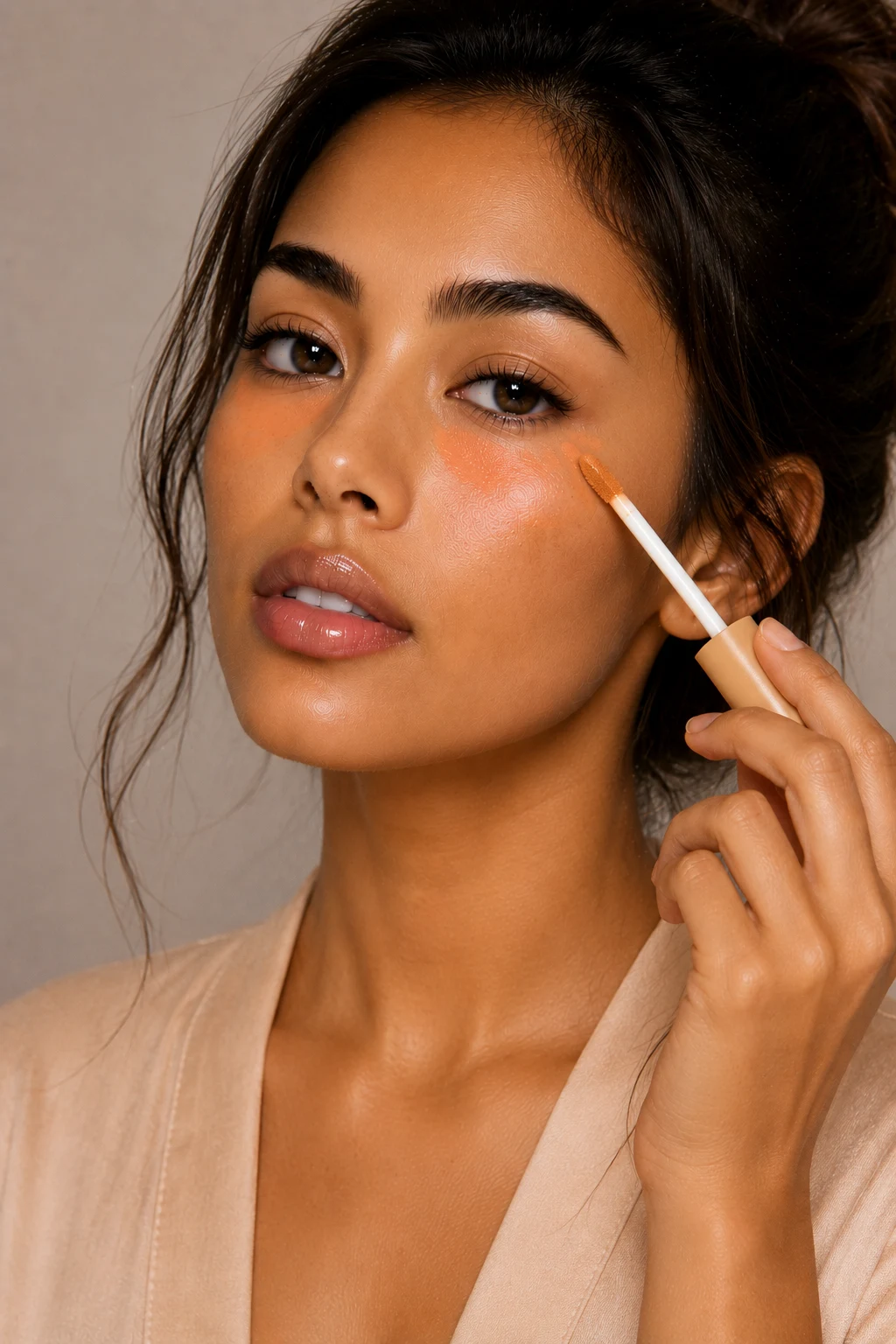
Orange correctors play a major role in color correction makeup, especially for medium to deep skin tones. They help neutralize stubborn hyperpigmentation, dark spots, and deeper discoloration.
Apply a bright orange corrector directly onto areas of hyperpigmentation before foundation. Focus on post-acne marks, sun spots, or uneven pigmentation rather than covering the entire face.
Beauty professionals frequently recommend using minimal product because orange correctors can become visible if overapplied. A little product often goes a surprisingly long way.
This technique is particularly effective for deeper skin tones where traditional concealers alone may appear gray or ashy over discoloration.
The key to this technique is targeting only the darkest areas that need neutralization.
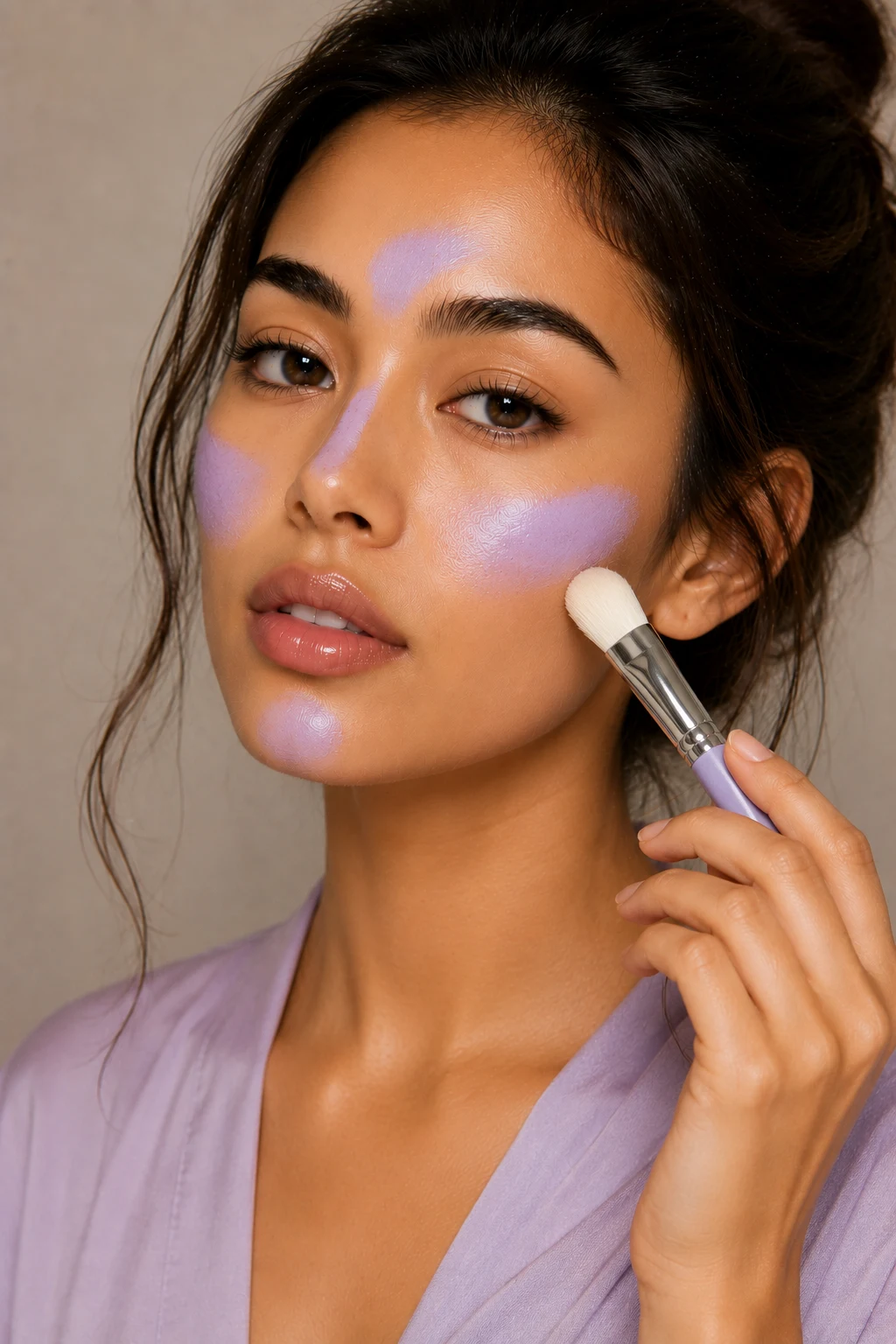
4. Lavender Color Correction Makeup for Dull Skin
When skin looks tired, sallow, or lacking brightness, lavender products can work wonders. This version of color correction makeup helps revive complexions with yellow or olive undertones.
Apply a lavender color correcting primer across the high points of the face or throughout the complexion if dullness is widespread. The soft purple tone brightens the skin and creates a fresher appearance before foundation.
Lavender correction became especially popular during recent runway seasons because it creates a luminous effect that looks beautiful both in person and in photographs. It delivers brightness without glitter or shimmer.
This technique is perfect before weddings, special events, or any occasion where skin needs an extra boost.
The key to this technique is using lavender sparingly to brighten rather than overwhelm the complexion.
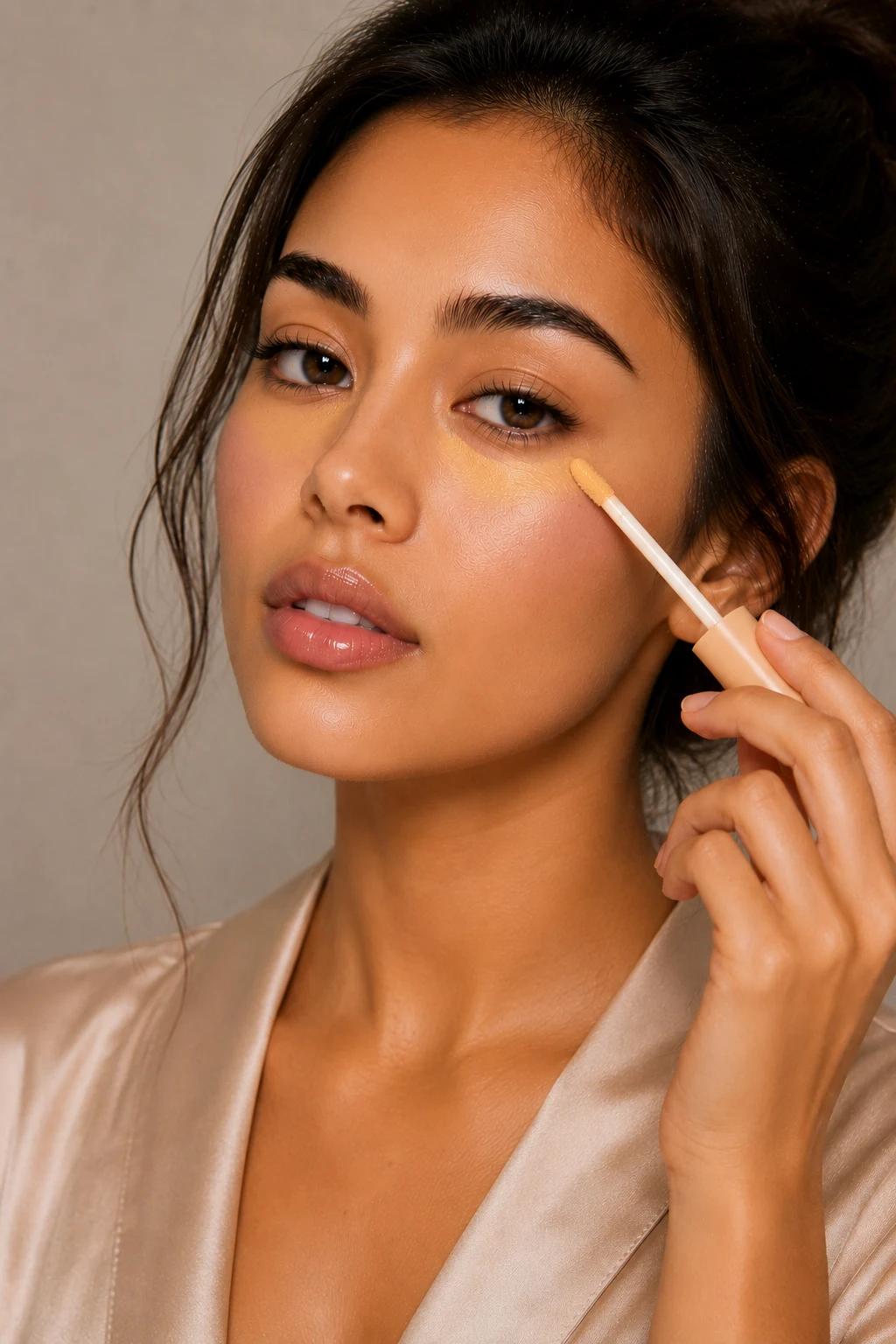
5. Yellow Corrector for Purple Discoloration
Yellow products are among the most underrated tools in color correction makeup. They work particularly well for neutralizing purple-toned discoloration, bruising, and certain under-eye shadows.
Apply a yellow correcting concealer over areas with violet or purple undertones. Blend thoroughly and follow with foundation or concealer as needed. The yellow pigment helps create a more balanced base.
This technique is frequently used by professional makeup artists when preparing clients for photography because it creates a smoother, more even complexion under bright lighting.
People with cool-toned under-eye darkness often see significant improvement from yellow correction compared to standard concealers alone.
The key to this technique is identifying purple undertones before selecting a yellow corrector.
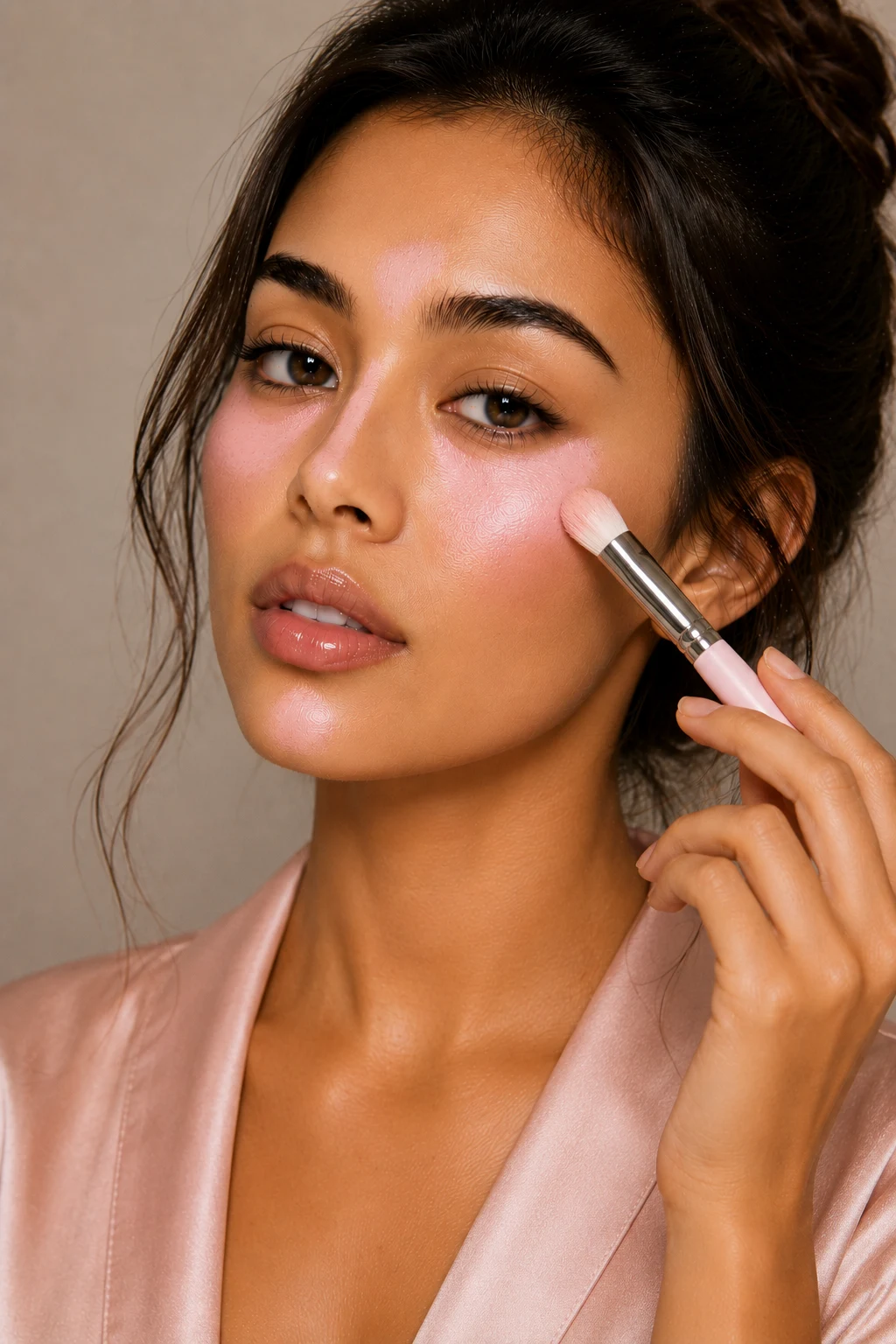
6. Pink Brightening Color Correction Makeup
Pink correctors focus less on neutralizing discoloration and more on restoring radiance. This style of color correction makeup helps brighten pale, tired, or flat-looking skin.
Apply a pink brightening primer or pink correcting concealer to areas that need extra vitality. The under-eye region, cheekbones, and center of the face are particularly effective placement zones.
Pink correctors have become increasingly popular in Korean beauty trends because they create a fresh, healthy appearance without heavy contouring or highlighting. The result looks youthful and naturally luminous.
This approach works especially well during winter months when skin often appears dull or fatigued.
The key to this technique is enhancing brightness while maintaining a natural skin-like finish.
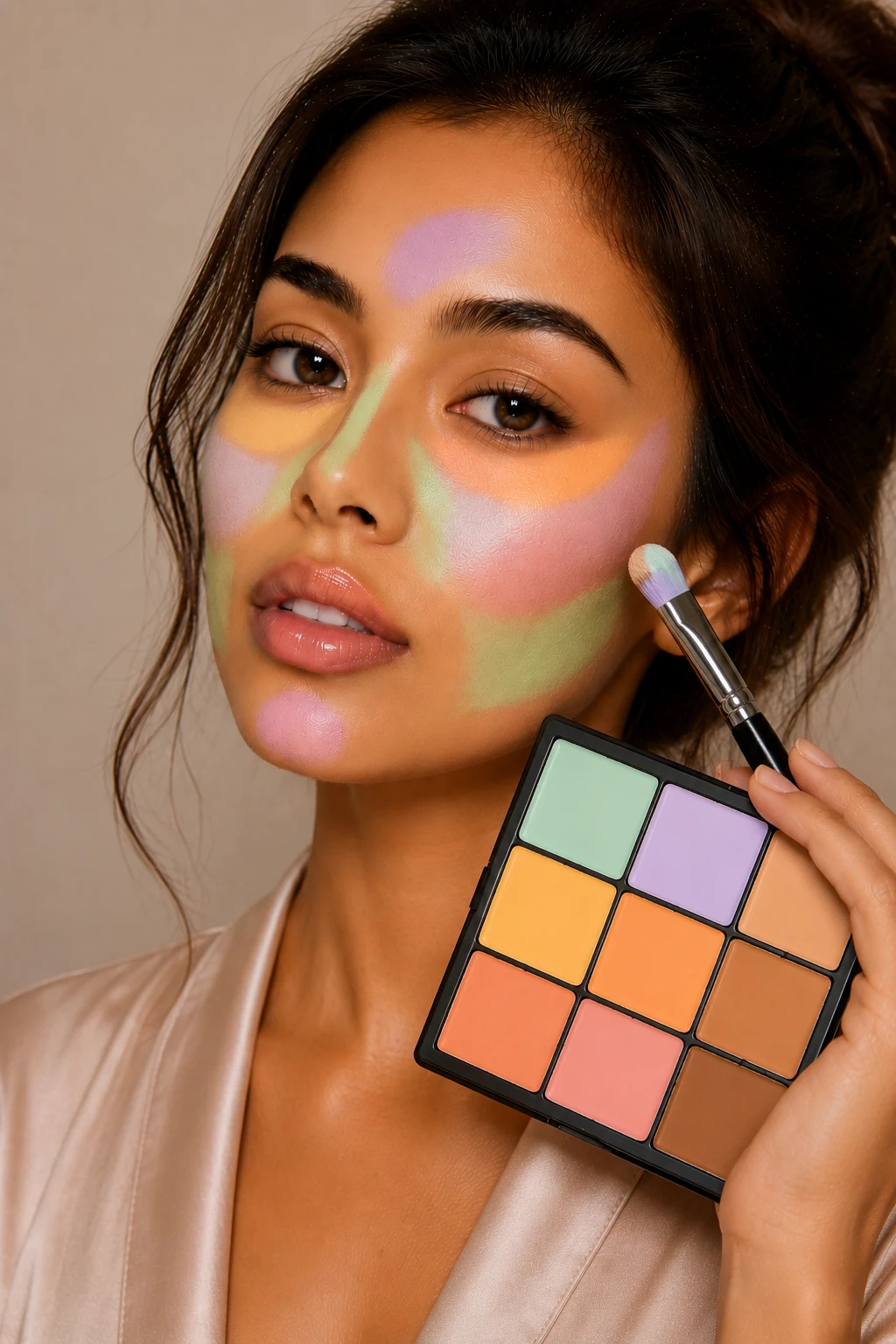
7. Full Palette Color Correction Makeup Strategy
Sometimes one corrector isn’t enough. Professional artists often combine multiple shades in a complete color correction makeup routine to address different concerns simultaneously.
A multi-color correction palette typically includes green, peach, orange, lavender, yellow, and pink shades. Each color targets a specific issue, allowing precise correction across different areas of the face.
For example, green may neutralize redness around the nose, peach may brighten dark circles, and lavender may refresh dull areas. This customized approach creates the most balanced complexion possible.
The trend toward personalized complexion products has made full correction palettes increasingly popular among beauty enthusiasts and professionals alike.
The key to this technique is treating each skin concern individually rather than using one color everywhere.
FAQ
What is color correction makeup?
Color correction makeup uses strategically colored products to neutralize discoloration before foundation. Different shades target redness, dark circles, dullness, hyperpigmentation, and uneven skin tone.
How do you choose the right color corrector?
Identify the discoloration you want to neutralize and choose the opposite color on the color wheel. Green neutralizes red, peach corrects blue-purple circles, and lavender brightens yellow-toned dullness.
Why is color correction makeup effective?
Color theory allows correctors to cancel unwanted tones before foundation is applied. This creates a more even complexion while reducing the need for heavy coverage products.
The Bottom Line
Color correction makeup can completely change the way your complexion products perform. Instead of layering foundation and concealer over discoloration, these targeted techniques neutralize unwanted tones at the source. Whether you’re combating redness with green, brightening dark circles with peach, correcting hyperpigmentation with orange, or refreshing dull skin with lavender, each color serves a specific purpose. The beauty of color correction makeup is its efficiency—it creates a smoother, more balanced complexion while keeping makeup lightweight and natural-looking. Start with one correction technique that addresses your biggest skin concern, then gradually build your skills. Once you understand the basics of color correction makeup, achieving a flawless-looking base becomes much easier.
🛍️ Shop the Look — color correction makeup
Our handpicked Amazon picks curated specifically for color correction makeup:
As an Amazon Associate I earn from qualifying purchases.