
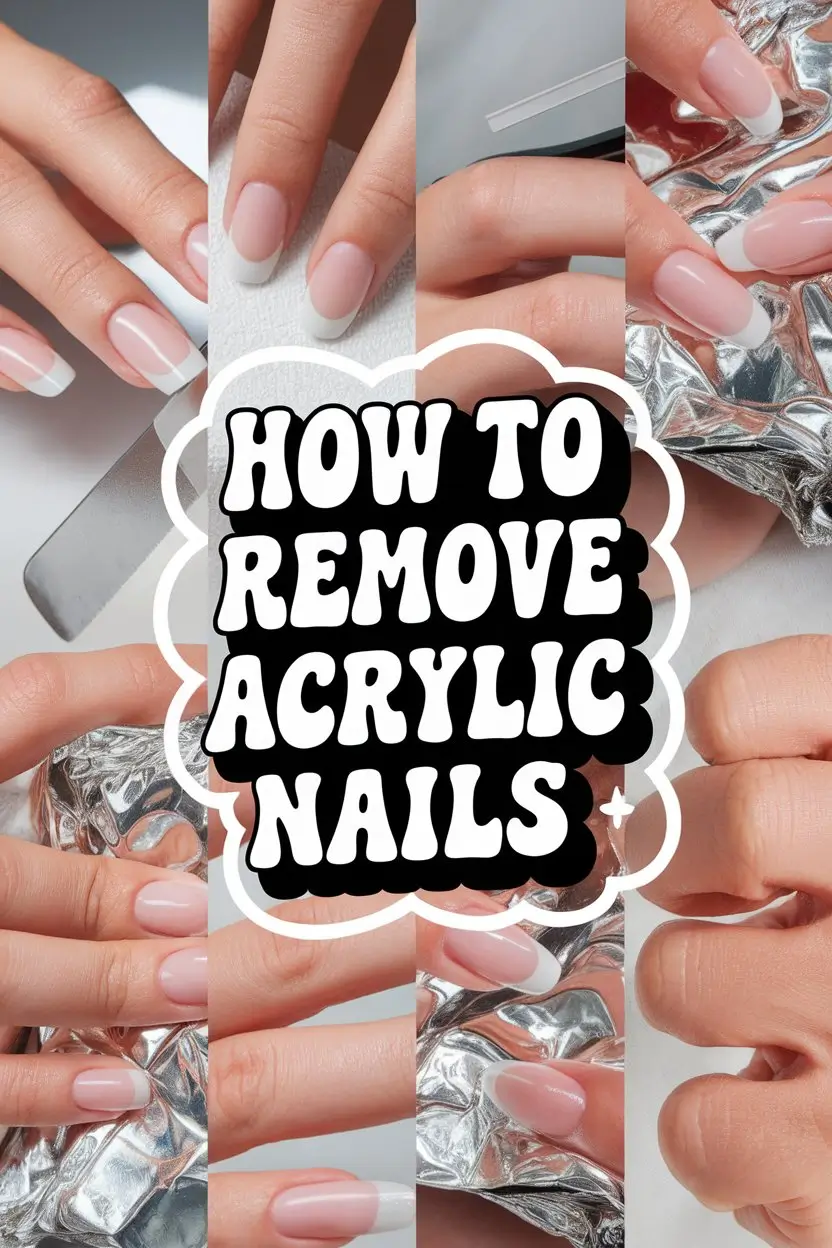
Removing acrylic nails can seem scary, but it’s doable without harming your natural nails. Knowing the steps is key to a smooth removal.
It’s important to remove them right to keep your nails healthy. The wrong way can cause damage, like lifting or breaking. In this article, I’ll show you how to safely take off acrylic nails.
By following this guide, you can easily remove your acrylic nails. I’ll share various methods and tips for a safe, successful process.
Key Takeaways
- Understand the importance of proper removal techniques for healthy nails.
- Learn the different methods for removing acrylic nails.
- Discover tips for a safe and successful removal process.
- Find out how to maintain healthy nails after removal.
- Explore the best practices for removing acrylic nails at home or in a salon.
Understanding Acrylic Nails
To understand how to remove acrylic nails, it’s key to know what they are. Acrylic nails are a way to make your nails look better and stronger.
What Are Acrylic Nails?
Acrylic nails are made from a liquid monomer and a powder polymer. This mix creates a hard layer over your natural nail. It’s applied with a brush and shaped before it hardens.
Why Proper Removal Matters
Removing acrylic nails the right way is important to avoid harming your natural nail. The wrong methods can cause lifting, cracking, or breaking. Knowing the correct removal techniques helps keep your natural nails healthy.
The Structure of Acrylic Nails
Acrylic nails have several layers: the natural nail, a primer, the acrylic itself, and a topcoat. Each layer is important for the nail’s durability and look.
| Layer | Description | Function |
|---|---|---|
| Natural Nail | The original nail | Base for the acrylic nail |
| Primer Layer | A special coating | Helps the acrylic adhere |
| Acrylic Application | Mixture of liquid and powder | Provides strength and shape |
| Topcoat | A protective layer | Adds shine and protection |
When to Remove Your Acrylic Nails
It’s important to know when to take off your acrylic nails to keep them healthy. Over time, acrylic nails can start to lift or show wear. This means it’s time to remove them.
Signs It’s Time for Removal
Look out for signs like lifting at the edges, visible cracks, or your natural nail growing under the acrylic. Lifting can lead to moisture buildup, causing fungal infections. So, it’s key to remove them quickly.
Professional vs. DIY Removal
You can choose between getting your nails removed at a salon or doing it yourself at home. Salon removal is safer and more proper but costs more. DIY removal is cheaper but needs careful handling to avoid harming your natural nails.
Assessing Your Nail Health
Before you decide how to remove your nails, check their health. If your nails are weak or damaged, going to a salon is safer. Think about your nail health and pick the best removal method for you.
Tools and Materials You’ll Need
Before you start removing your acrylic nails, it’s important to gather the right tools and materials. Having everything ready will make the process smoother and safer.
Essential Supplies
You’ll need acetone, cotton balls, nail files, and a cuticle pusher. Acetone breaks down the acrylic. Cotton balls help apply it to the nail. A nail file is for gently filing the surface before removal. A cuticle pusher helps lift the acrylic off the nail.
Optional but Helpful Items
Some extra items can make things easier. You might want nail clips or foil wraps to keep the cotton in place. Also, a bowl or container for soaking your fingers is useful. Don’t forget cuticle oil or cream to moisturize your nails and skin after removal.
Where to Find Quality Products
You can find these supplies at beauty supply stores or online. When shopping online, choose reputable brands and read reviews. This ensures you get quality products.
Preparing Your Nails and Workspace
To remove your acrylic nails safely and smoothly, preparation is key. You need to set up your workspace, protect your skin and surfaces, and get your nails ready for the process.
Setting Up Your Area
Begin by clearing a flat surface for your nail work. Cover it with old newspapers or a plastic tablecloth to guard against acetone or chemical spills. Make sure the area has good air flow to avoid inhaling fumes.
Protecting Your Skin and Surfaces
Apply petroleum jelly or rich moisturizer around your nails and cuticles. This will shield your skin from acetone’s drying effects. Wear old clothes or an apron to keep your clothes safe from stains.
Trimming and Filing Before Removal
Trimming and gently filing your acrylic nails can make the removal easier and safer for your natural nails. Use nail clippers to shorten the acrylic nails as much as possible. Then, file the surface gently to help the acetone soak in better.
The Acetone Soak Method: How to Remove Acrylic Nails Safely
The acetone soak method is a safe and effective way to remove acrylic nails at home. It involves soaking your fingers in acetone to break the adhesive that holds the acrylic nail in place.
Step-by-Step Instructions
You’ll need a few things: acetone, cotton balls, aluminum foil, and a nail file. First, gently file your acrylic nails. This helps the acetone soak in better.
Soak a cotton ball in acetone, put it on your nail, and wrap it with foil. Do this for each nail. Soak for 15 to 30 minutes, depending on the acrylic type.
Tips for Better Results
Make sure your nails are ready before soaking. Don’t press too hard when filing to avoid damage. Use a moisturizer after to keep your nails and skin hydrated.
How Long to Soak
The soaking time depends on the acrylic’s thickness and type. Thicker nails need longer soaking.
Adjusting Soak Time for Different Acrylics
Standard acrylics soak for 15-20 minutes. But thicker or more durable ones might need up to 30 minutes. Sometimes, you might need to soak again.
The Warm Water Method
The warm water method is a gentle way to remove acrylic nails. It’s great for people with sensitive skin or who don’t like harsh chemicals.
When to Use This Method
Use the warm water method for nails that are already loose or partially lifted. It’s also good for a slow removal process.
Step-by-Step Process
First, fill a bowl with warm water. Make sure it’s not too hot to avoid skin or nail damage. Soak your fingers for 20-30 minutes to loosen the adhesive. You might need to do this a few times.
Pros and Cons
The warm water method is soft on your nails and skin, lowering damage risk. But, it might not work well for nails that stick too much and takes longer.
Pros: It’s gentle, chemical-free, and simple to do at home.
Cons: It doesn’t work for all acrylic nails, and it takes patience.
Using Nail Clips or Foil Wraps
Struggling to remove your acrylic nails? Nail clips or foil wraps might be the solution. They help apply acetone more precisely. This is key to loosen the adhesive that holds the nail in place.
Benefits of This Technique
Using nail clips or foil wraps has several advantages. It keeps the acetone in place, preventing it from evaporating too fast. This makes the removal process quicker and cleaner. It’s also less messy than soaking your fingers in acetone.
Detailed Instructions
To start, wrap a cotton pad soaked in acetone around your nail. Then, cover it with foil and secure it with a nail clip. Repeat this for each nail needing treatment.
Making DIY Foil Wraps
Pre-made foil wraps are available, but making your own is easy and saves money. Cut small squares of aluminum foil to fit your fingertips. Soak cotton pads in acetone, place them on your nails, and wrap the foil squares around. Secure with nail clips if needed.
The Dental Floss Technique
Removing acrylic nails can be tough, but there’s a clever trick – the dental floss technique. It uses dental floss to carefully pull off the acrylic nail.
When to Consider This Method
Try the dental floss technique if other methods like acetone haven’t worked. It’s also a quick fix if you’re in a hurry.
Safety Precautions
Make sure your nails aren’t too weak or damaged before trying this. Be gentle to avoid hurting yourself.
Step-by-Step Guide
- Gently slide the dental floss under the edge of the acrylic nail.
- Carefully work the floss back and forth to loosen the adhesive.
- Continue until the acrylic nail starts to come off.
| Method | Pros | Cons |
|---|---|---|
| Dental Floss Technique | Quick, DIY, cost-effective | Potential for nail damage if not done carefully |
| Acetone Soak | Effective, less risk of damage | Time-consuming, drying to the nails |
Using an Electric File
The electric file method for removing acrylic nails is quick but needs careful handling. It’s a precise technique to avoid harming the natural nail.
Safety First
Always wear protective gear like safety glasses and a dust mask before using an electric file. Make sure the electric file is set to the right speed. A lower speed helps keep control and prevents too much heat.
Proper Technique
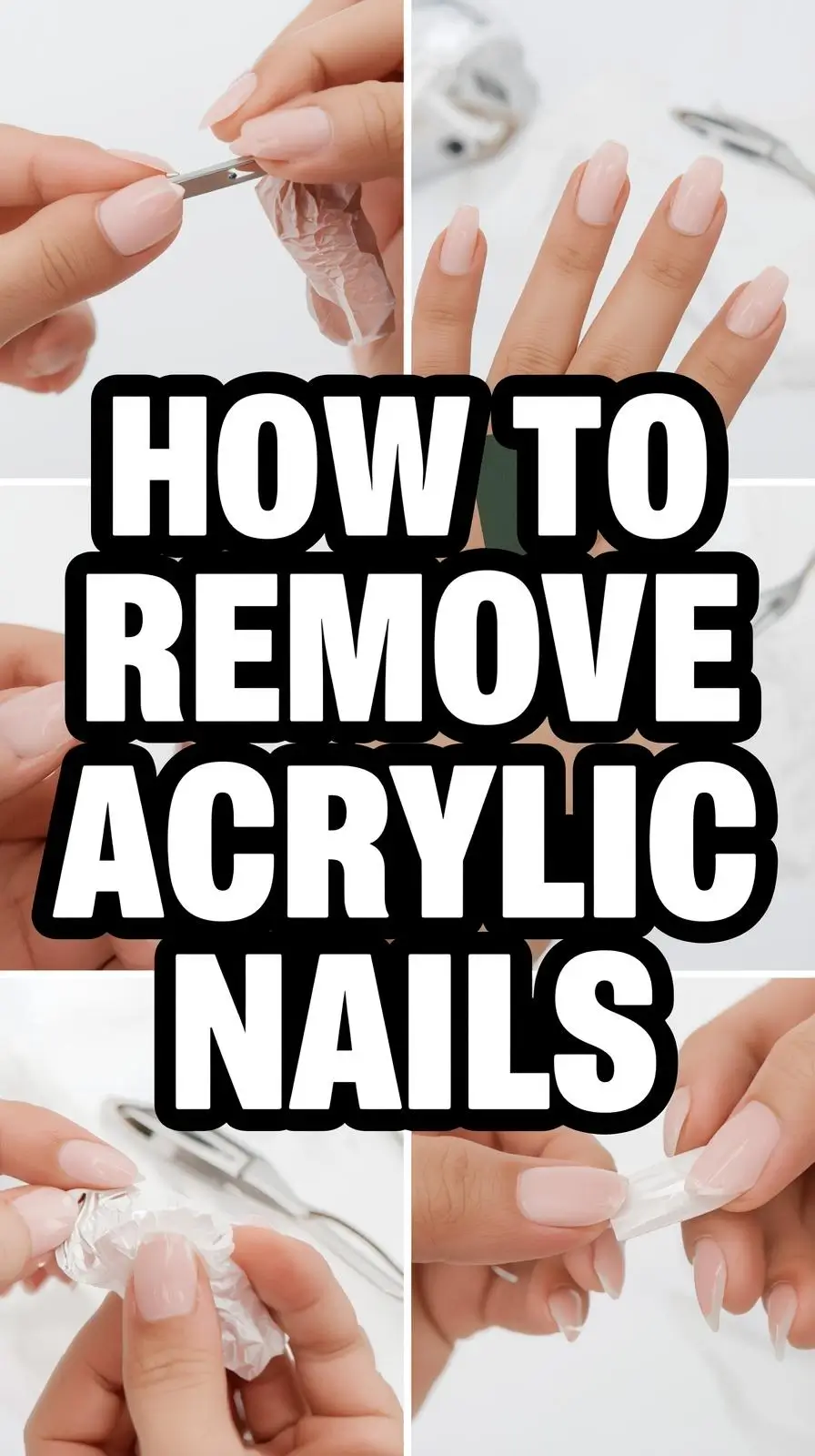
To remove acrylic nails, start by filing the surface gently to break the seal. Work slowly and carefully to protect the nail bed. Use a coarse diamond bit for acrylic removal.
Recommended Settings and Bits
For most electric files, a medium to high torque setting works best for acrylic nail removal. Use a drill bit made for acrylic nail removal, like a coarse diamond or carbide bit. Clean the bit often to avoid clogs and ensure smooth removal.
By following these steps and using the electric file correctly, you can safely and effectively remove acrylic nails.
Natural Alternatives to Acetone
Looking into natural ways to remove acrylic nails can be safer and more nourishing. Acetone works well, but it can harm your nails and skin. This is a worry for many people.
Vinegar and Lemon Juice Method
Using vinegar and lemon juice is a natural way to remove acrylic nails. The acid in these ingredients helps break down the acrylic. To try it, mix equal parts of white vinegar and lemon juice in a bowl.
Soak your fingers in the solution for 20-30 minutes. You might need to do this a few times before the acrylic nails start to come off.
Effectiveness of Natural Solutions
Natural methods like vinegar and lemon juice can work well, but they might take longer than acetone. How well they work depends on your nail type and the acrylic’s condition. These methods are also gentler, helping keep your natural nails healthy.
| Method | Effectiveness | Damage Potencial |
|---|---|---|
| Vinegar & Lemon Juice | Moderate | Low |
| Acetone | High | High |
| Warm Water Soak | Low to Moderate | Low |
When to Avoid Natural Methods
Natural methods are great, but not always the best choice. If your acrylic nails are hard to remove or you’re in a hurry, acetone or professional methods might be better. Also, if you feel pain or discomfort, it’s wise to get help from a professional.
Removing Stubborn Acrylic
Removing stubborn acrylic nails often needs a mix of methods. It’s important to be patient and gentle to avoid harming your natural nails. Here, I’ll show you how to tackle common problems and safely remove tough acrylic nails.
Troubleshooting Common Issues
One common problem is when acrylic nails don’t come off evenly. Make sure you’re using the right amount of acetone and that your nails are fully covered. If a nail is hard to remove, try wrapping it in a cotton pad soaked in acetone and cover it with foil for a few minutes.
What Not to Do
It’s also key to know what not to do. Avoid using force or prying at the acrylic, as it can harm your natural nail. Don’t use harsh chemicals or too much heat, as they can dry out your nails and skin.
When to Take a Break
Removing stubborn acrylic nails can take a while. If a nail doesn’t budge, consider taking a break and coming back later. Sometimes, resting your nails can make the process safer and more effective.
Post-Removal Nail Care
After removing your acrylic nails, it’s time to care for your natural nails. They might be weak, brittle, or damaged. So, it’s important to take good care of them to help them heal.
Assessing Nail Damage
First, check your nails for any damage. Look for cracks, breaks, or color changes. Gently inspect the nail bed and surrounding skin for signs of irritation or infection.
Immediate Treatment
After checking for damage, treat your nails right away. Apply a nourishing cuticle oil or nail cream to keep them and the skin around them hydrated. You can also use a nail strengthening base coat to make your nails stronger.
Hydration and Strengthening
To help your nails grow healthy, keep them and your cuticles moist. Use a nail strengthening treatment with a nail brush regularly. Here are some ways to keep your nails hydrated and strong:
| Method | Description | Benefits |
|---|---|---|
| Nail Mask | Apply a nail mask once a week | Deep hydration, repair damage |
| Nail Oil | Apply cuticle oil daily | Hydrates nails and cuticles |
| Nail Strengthening Base Coat | Apply before nail polish | Strengthens, prevents breaks |
By following these steps and keeping up with a nail care routine, you can help your nails recover. This will promote healthy growth after the acrylic removal.
Repairing Damaged Nails
Damaged nails after acrylic removal can be frustrating. But, there are ways to fix them. Focus on strengthening and nourishing your natural nails for healthy growth.
Strengthening Treatments
Strengthening treatments can greatly help damaged nails. They often have keratin, calcium, and vitamins. Apply a strengthening base coat and a nourishing top coat to keep your nails strong and hydrated.
Nail Recovery Timeline
The recovery time for nails varies based on the damage. It can take weeks to months for full recovery. Here’s a general timeline:
| Week | Nail Recovery Stage |
|---|---|
| 1-2 | Nail starts to feel stronger |
| 2-4 | Visible improvement in nail health |
| 4-6 | Nail starts to grow out |
Dietary Support for Nail Health
Eating foods rich in vitamins and minerals is key for nail health. Biotin in eggs and nuts strengthens nails. Vitamin E in spinach and avocados promotes growth.
Combining good diet with proper care can greatly improve your nail health and look.
Products I Recommend for Acrylic Nail Removal
Choosing the right tools is key for safe and effective acrylic nail removal. I’ve tried many products and found some that really work well.
Best Acetone Products
Acetone is a must for removing acrylic nails. I suggest using high-quality acetone that’s gentle on your nails and skin. Here are some top brands:
- Nailene Pure Acetone
- Cutex Acetone Nail Polish Remover
Top Nail Care Items
After removing your acrylic nails, it’s important to care for your natural nails. I recommend using a nail oil or nail cream to keep them hydrated and strong. Some great options are:
- Nuxe Huile Prodigieuse
- Bio Oil Skincare Oil
Budget-Friendly Options
Acrylic nail removal doesn’t have to cost a lot. For those on a budget, here are some affordable choices:
- KikooL look Acetone Nail Polish Remover
- CVS Health Nail Care Cuticle Oil
These options are budget-friendly without sacrificing quality.
Common Mistakes to Avoid
Keeping your nails healthy starts with avoiding mistakes when removing acrylic nails. Many people face challenges during this process. This can lead to damaged nails or even worse.
Dangerous Removal Methods
Using harsh chemicals or the wrong techniques can harm your natural nails. For example, don’t use force to remove acrylic nails. This can cause lifting or even pain. Instead, try gentle methods like soaking in acetone or using nail clips.

Aftercare Errors
After removing acrylic nails, it’s important to care for your natural nails properly. This means moisturizing your nails and cuticles. Also, avoid harsh nail products. If you ignore aftercare, your nails might become dry and brittle.
Signs You Should Seek Professional Help
If you see signs of damage like bleeding, pain, or significant nail lifting, get professional help. A nail technician can guide you and fix any damage. This ensures your nail health stays good.
Knowing these common mistakes helps you have a safe and successful acrylic nail removal.
Conclusion
Removing acrylic nails needs patience, the right techniques, and care for your natural nails. We’ve looked at safe ways to remove them, like soaking in acetone, using warm water, and nail clips or foil wraps.
Knowing how acrylic nails are made and checking your nail health helps pick the best removal method. Taking care of your nails after removal is also key. Using the right products and techniques can make your nails look and feel great again.
When removing acrylic nails, be careful and patient. With the right steps, you can get professional-looking results at home. Remember, good nail care is important. Follow this guide for the best results.
FAQ
How long does it take to remove acrylic nails?
Removing acrylic nails can take different times. The acetone soak method usually takes 15 to 30 minutes. Other methods like nail clips or foil wraps might take 30 minutes to an hour.
Can I remove acrylic nails at home?
Yes, you can remove acrylic nails at home. You can use the acetone soak method, warm water, or nail clips or foil wraps. But, if you’re unsure or have sensitive nails, it’s best to see a professional.
Will removing acrylic nails damage my natural nails?
Removing acrylic nails should not harm your natural nails if done right. But, harsh chemicals or wrong techniques can cause damage. It’s important to use the right methods and take care of your nails after removal.
How can I care for my nails after removing acrylics?
After removing acrylic nails, hydrate and strengthen your natural nails. Use nail oils or creams to moisturize. Also, consider a nail strengthening treatment to repair any damage.
Can I reuse my nail files and buffers after removing acrylic nails?
It’s not wise to reuse nail files and buffers after removing acrylic nails. They can carry bacteria and debris. For good hygiene, use new or sanitized files and buffers each time.
Are there any natural alternatives to acetone for removing acrylic nails?
Yes, you can use vinegar and lemon juice as natural alternatives to acetone. But, they might not work as well and take longer. Be patient and careful when using these alternatives.
How often can I get acrylic nails?
It’s best to wait until your natural nails have fully grown out before getting new acrylic nails. This can take weeks to months, depending on your nail growth and health.
Can I remove acrylic nails if I have sensitive skin?
If you have sensitive skin, be extra careful when removing acrylic nails. Try gentler methods or see a professional to avoid irritation or other reactions.