
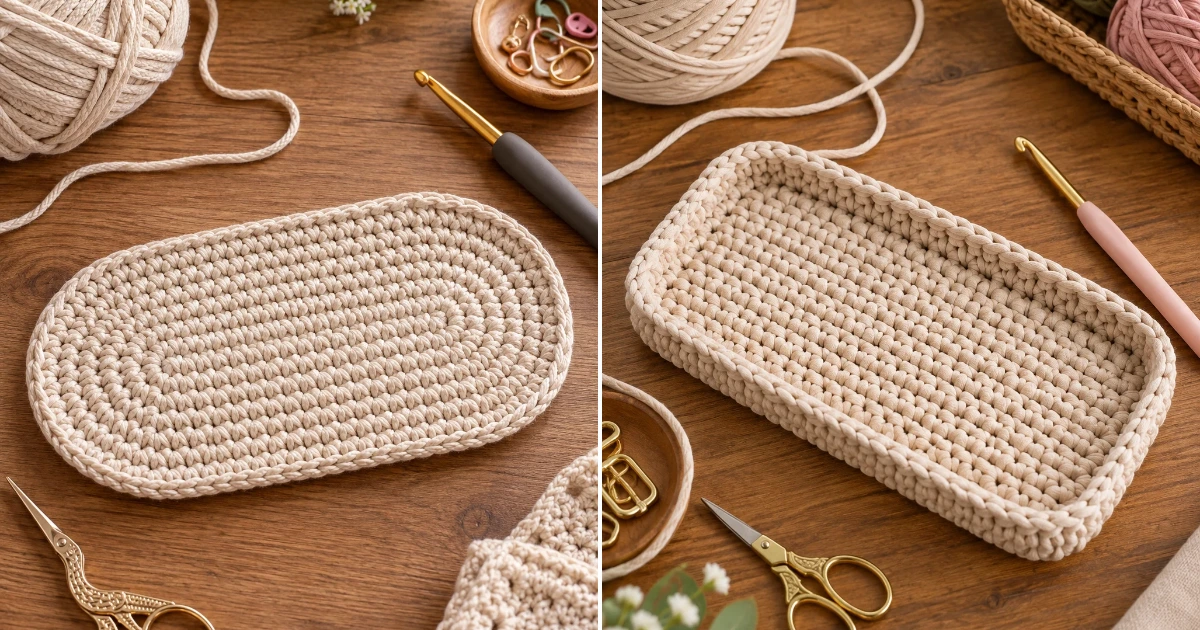
A crochet bag base is the foundation that gives a handmade bag its shape, strength, and polished finish. If your crochet tote keeps slouching, your stitches bunch around the bottom, or your finished bag looks more like a floppy pouch than a handbag, the base is probably the place to fix first, according to The Spruce Crafts. The good news? There are plenty of clever ways to build one. You can crochet a simple oval, use a sturdy rectangle, add a leather base, reinforce your stitches with plastic, or even create a structured bottom for a designer-inspired look. These ideas work for market totes, crossbody bags, beach bags, bucket bags, and everyday handbags. Pick your favorite construction method, grab your yarn, and get ready to give your next project a much stronger foundation.
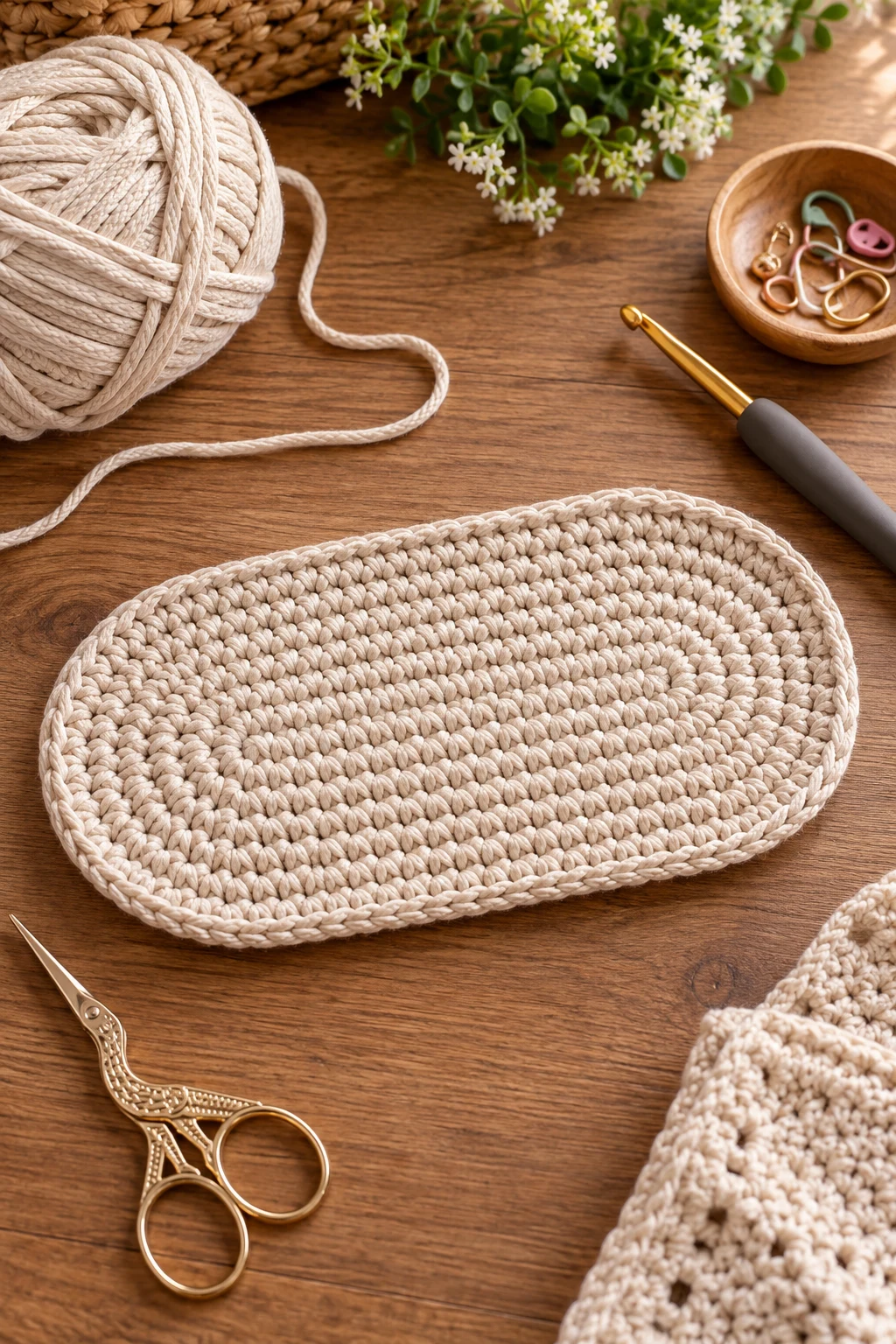
1. Classic Oval Crochet Bag Base
The classic oval is one of the most useful shapes for handmade handbags. It works beautifully for market totes, everyday shoulder bags, and roomy crochet bucket bags because the rounded ends create a smooth transition from the bottom into the sides, according to Martha Stewart Crafts.
Start with a chain foundation and work single crochet stitches around both sides of the chain, increasing at each end. Continue adding controlled increases until the oval reaches your desired width. A medium-weight cotton yarn paired with a 4.5 mm crochet hook creates a firm fabric without making the bottom overly stiff.
For a beginner-friendly project, this construction is essentially an oval crochet bag base pattern that you can resize by adding or removing foundation chains.
The key to this technique is keeping your increases symmetrical so both ends of the base stay evenly rounded.
Yayatty 6 Color Purse Base for Crochet, 7.28 x 7.35 PU Leather Oval Bag Bottom
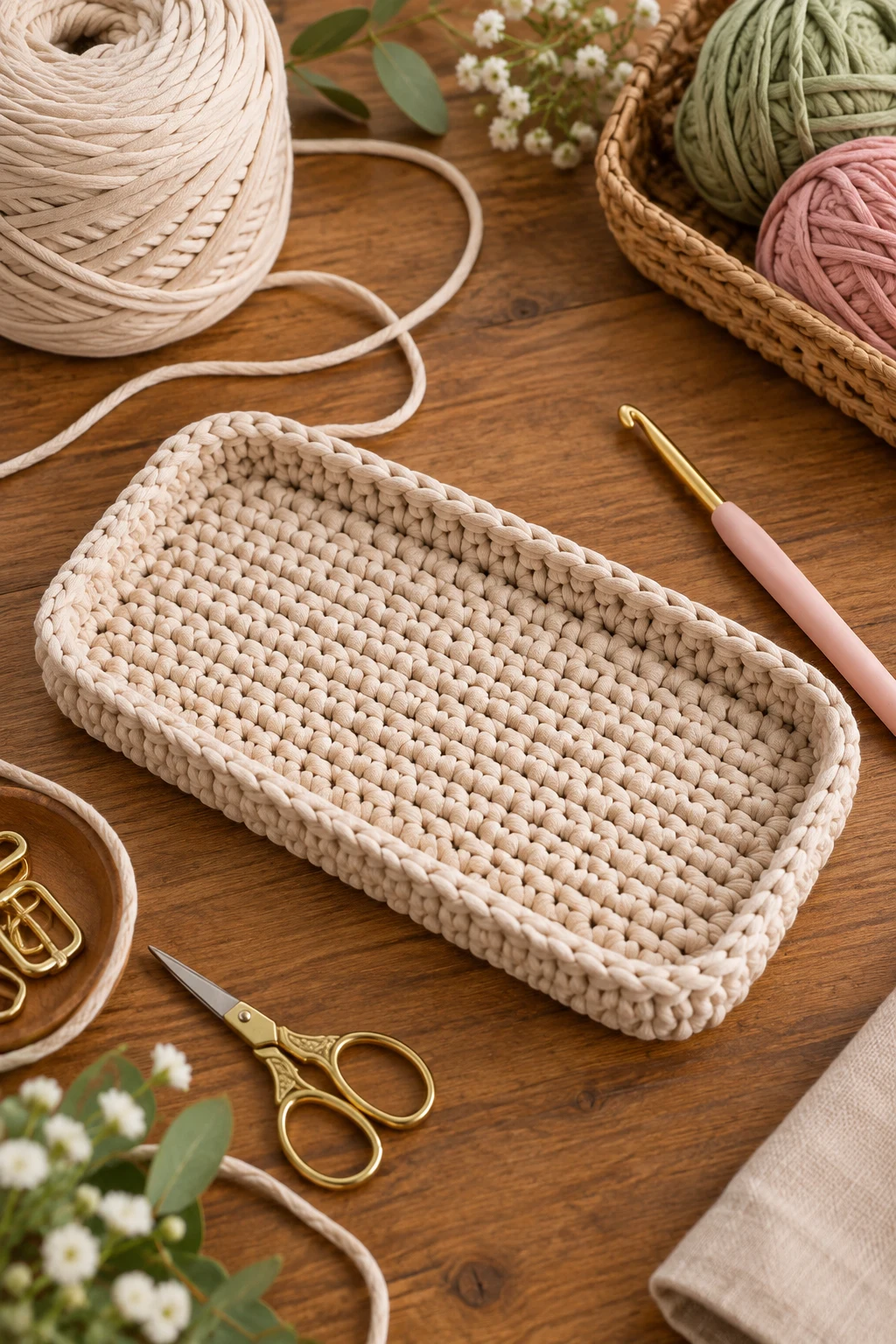
2. Sturdy Rectangle Base — crochet
A rectangle makes an excellent crochet bag base for structured totes, laptop bags, and boxy handbags. Unlike an oval, it gives the finished bag a distinctly modern silhouette with crisp corners.
Create a foundation chain matching the desired length, then work evenly across the rows using single crochet or half-double crochet. A tight stitch tension helps prevent stretching when the bag carries heavier items such as books or a tablet.
Use cotton cord yarn or tightly spun cotton for extra durability. If you’re following a crochet bag base tutorial for the first time, mark the four corners with stitch markers so your increases remain perfectly positioned.
The key to this look is maintaining straight sides and identical corner increases throughout the base.
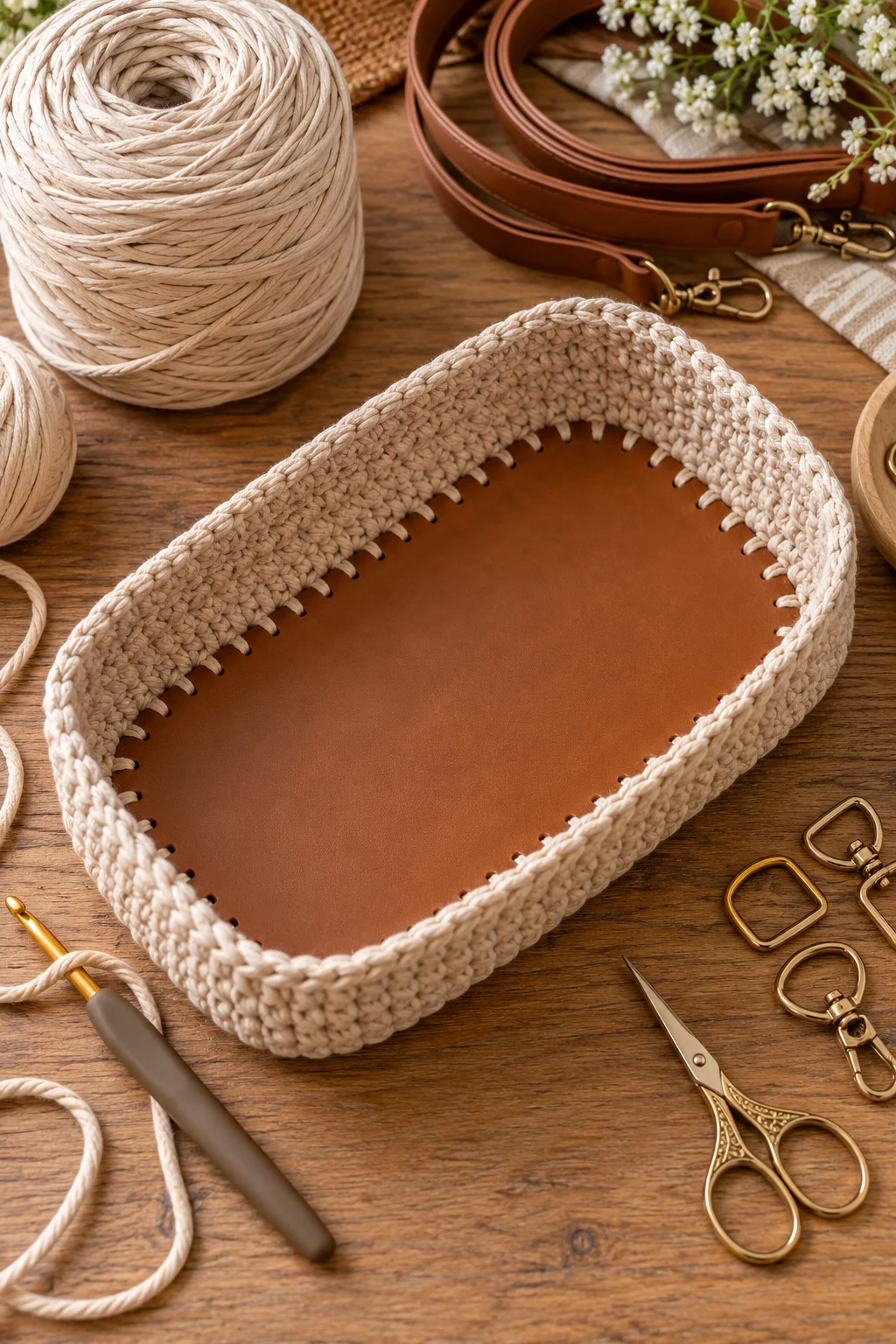
3. Crochet Bag Base With Leather
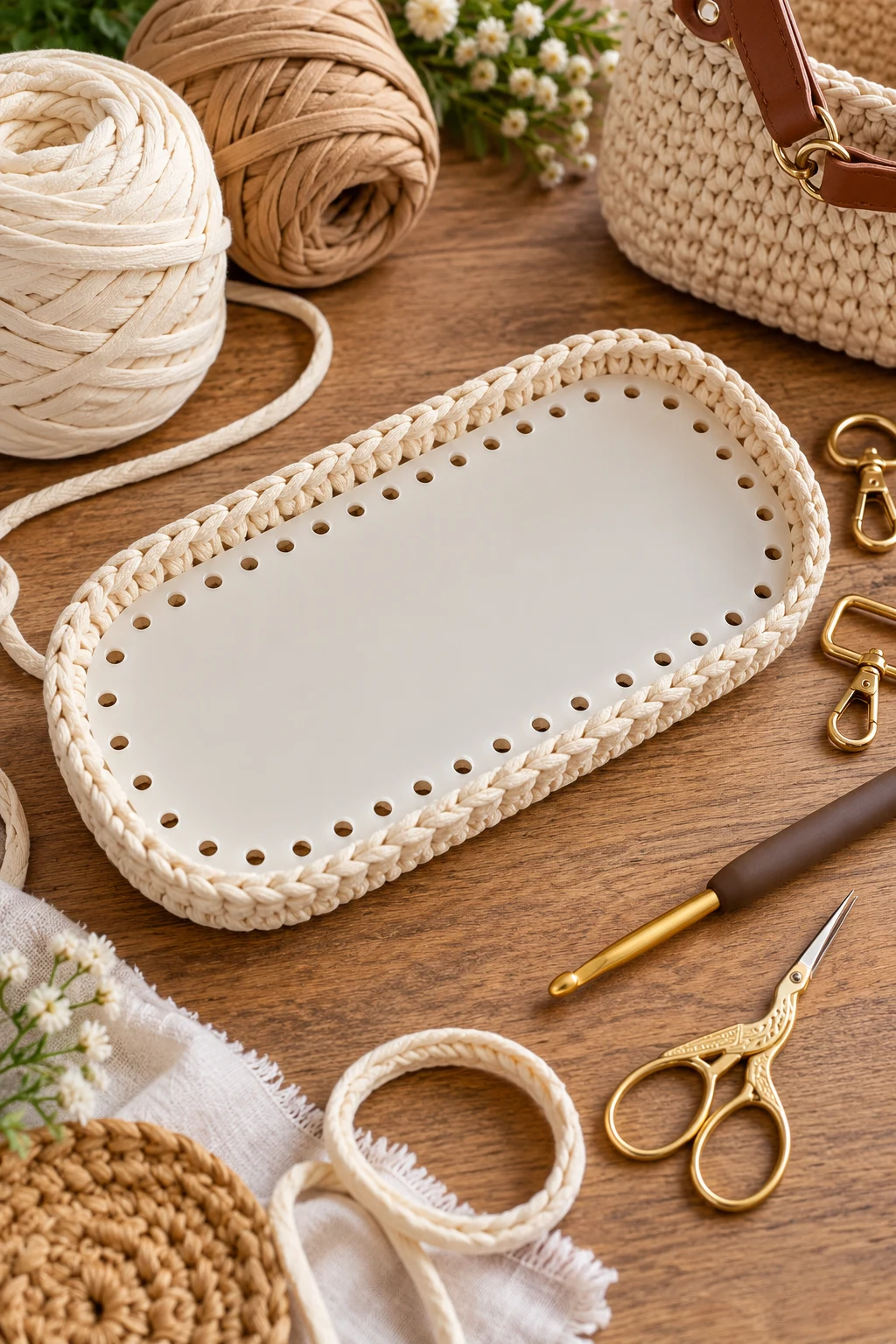
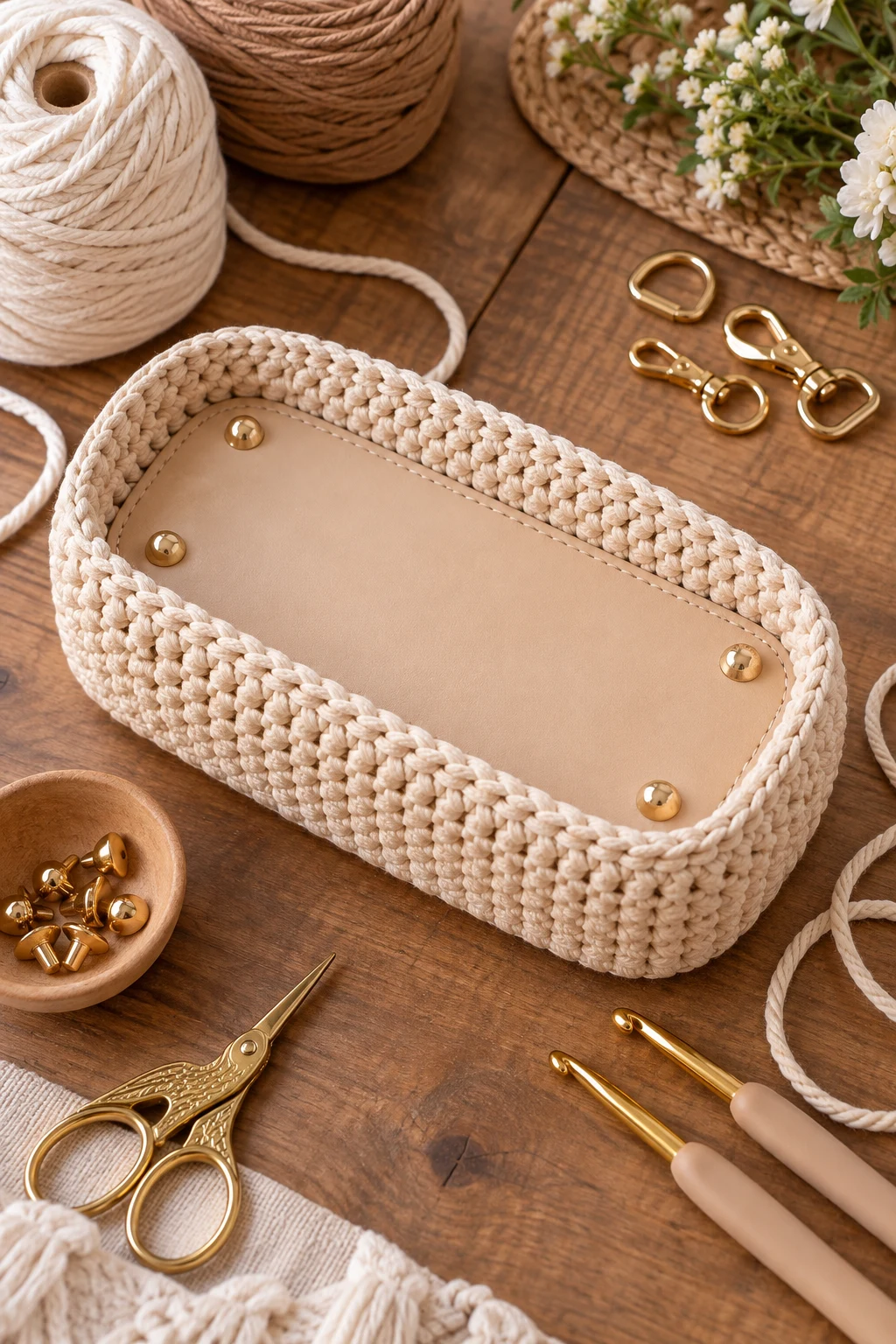
For a polished handbag with boutique energy, pair crochet with a leather or faux-leather bottom. A crochet bag base leather design gives soft yarn a structured foundation while protecting the underside from everyday wear.
Pre-made leather bases often include punched holes around the perimeter. You simply insert your hook through each hole and crochet directly into it, creating a secure transition between the leather and yarn.
Choose tan leather with cream crochet for a minimalist summer bag, or pair dark brown leather with forest-green yarn for an autumn handbag. Faux leather works especially well for vegan projects.
The key to this look is choosing evenly spaced holes so your crochet stitches don’t bunch or pull the leather out of shape.
4. Reinforced Plastic Base
If you’re making a beach tote or shopping bag that needs serious stability, consider a crochet bag base plastic insert. Plastic canvas or a custom-cut flexible plastic sheet can sit underneath the crocheted bottom and prevent sagging.
First crochet your base slightly larger than the insert. After finishing, place the plastic inside the bag between the base and an optional fabric lining. Round the corners slightly before inserting it so sharp edges don’t rub against your yarn.
This method is especially useful for bags made with soft acrylic blends that naturally want to collapse.
The key to this technique is rounding and smoothing every plastic edge before placing it inside the finished bag.
5. Circular Statement Base
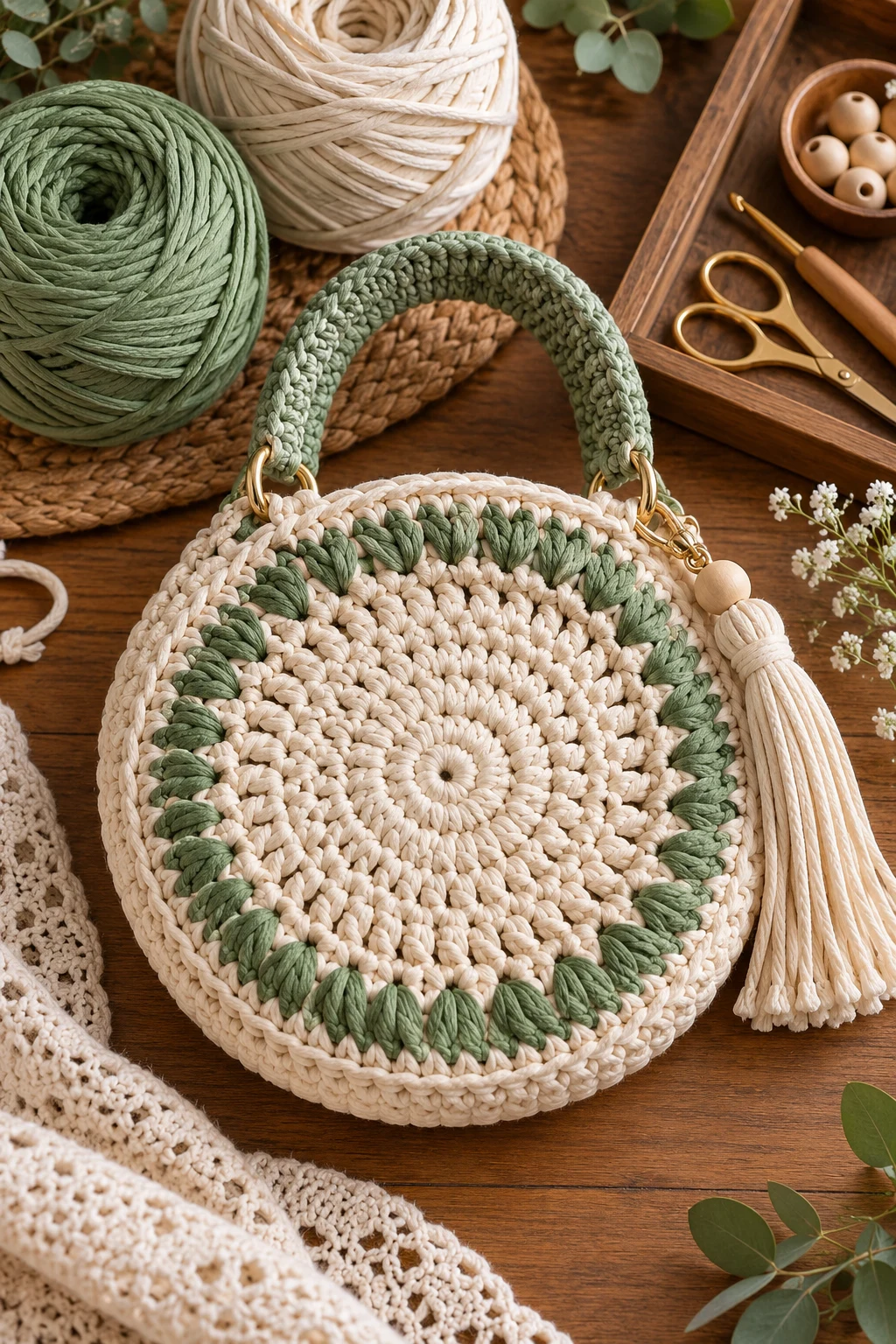
A circular base turns an ordinary crochet bag into something more playful. It works particularly well for bucket bags, cylindrical handbags, and small drawstring purses.
Begin with a magic ring and work evenly spaced increases in rounds. The goal is a flat circle rather than a bowl shape, so adjust your increase frequency if the base starts curling upward.
Try a deep cobalt-blue base with cream sides for a nautical-inspired summer handbag, or use rust and mustard for a warm fall accessory.
The key to this look is keeping your circular rounds flat before beginning the vertical sides.
6. Crochet Bag Base With Bobble Texture
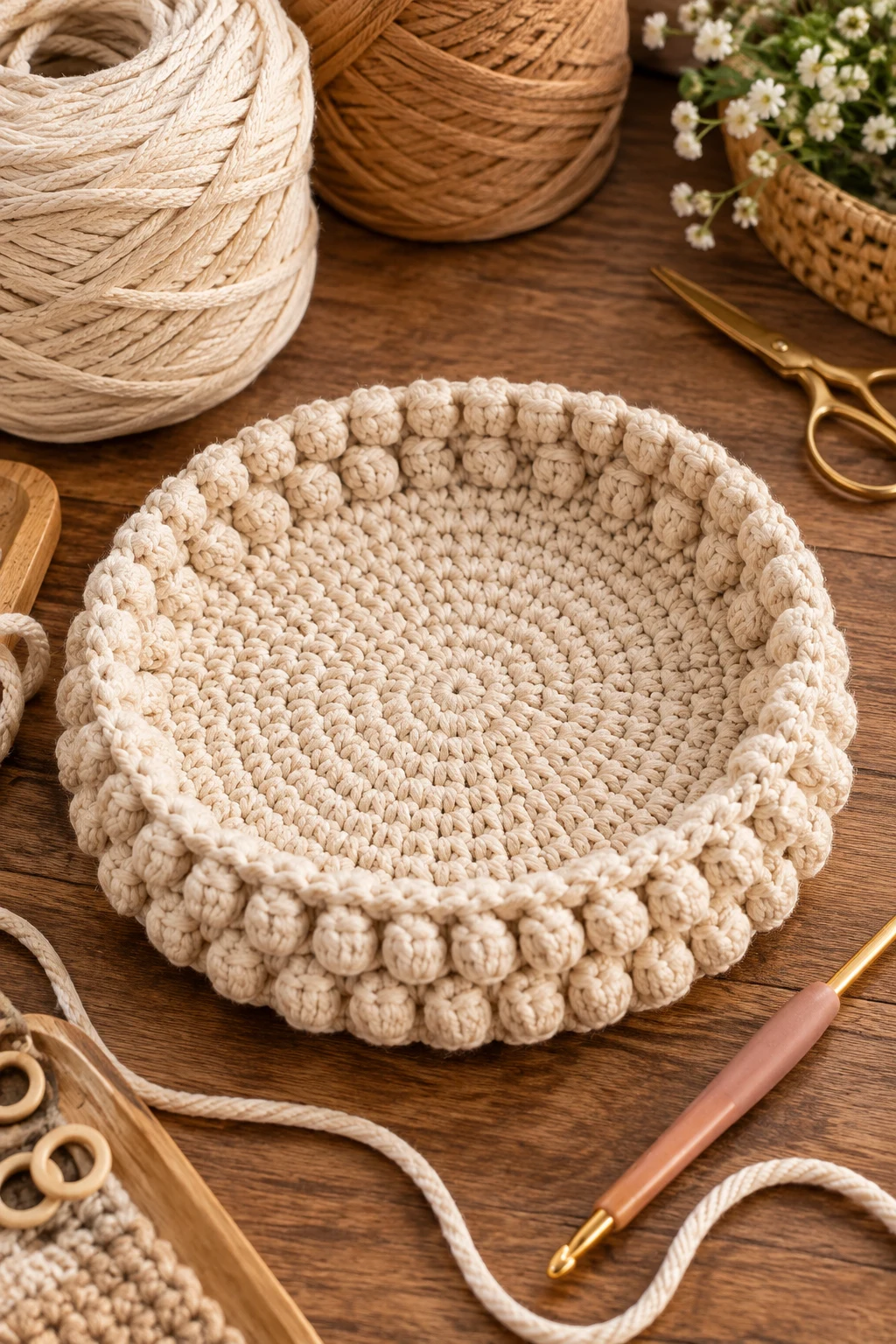
Who says the bottom has to be boring? A textured base can become a design feature, especially when you’re creating a statement handbag.
Work bobbles, puff stitches, or raised ridges into selected rows while keeping the outer dimensions consistent. For durability, use texture sparingly on the underside because heavily raised stitches can wear faster when the bag rests on hard surfaces.
A neutral beige base with subtle cream bobbles creates a soft handcrafted appearance, while black yarn with charcoal texture feels more contemporary.
The key to this technique is balancing decorative stitches with dense structural stitches for a base that still sits flat.
7. Double-Layer Crochet Base
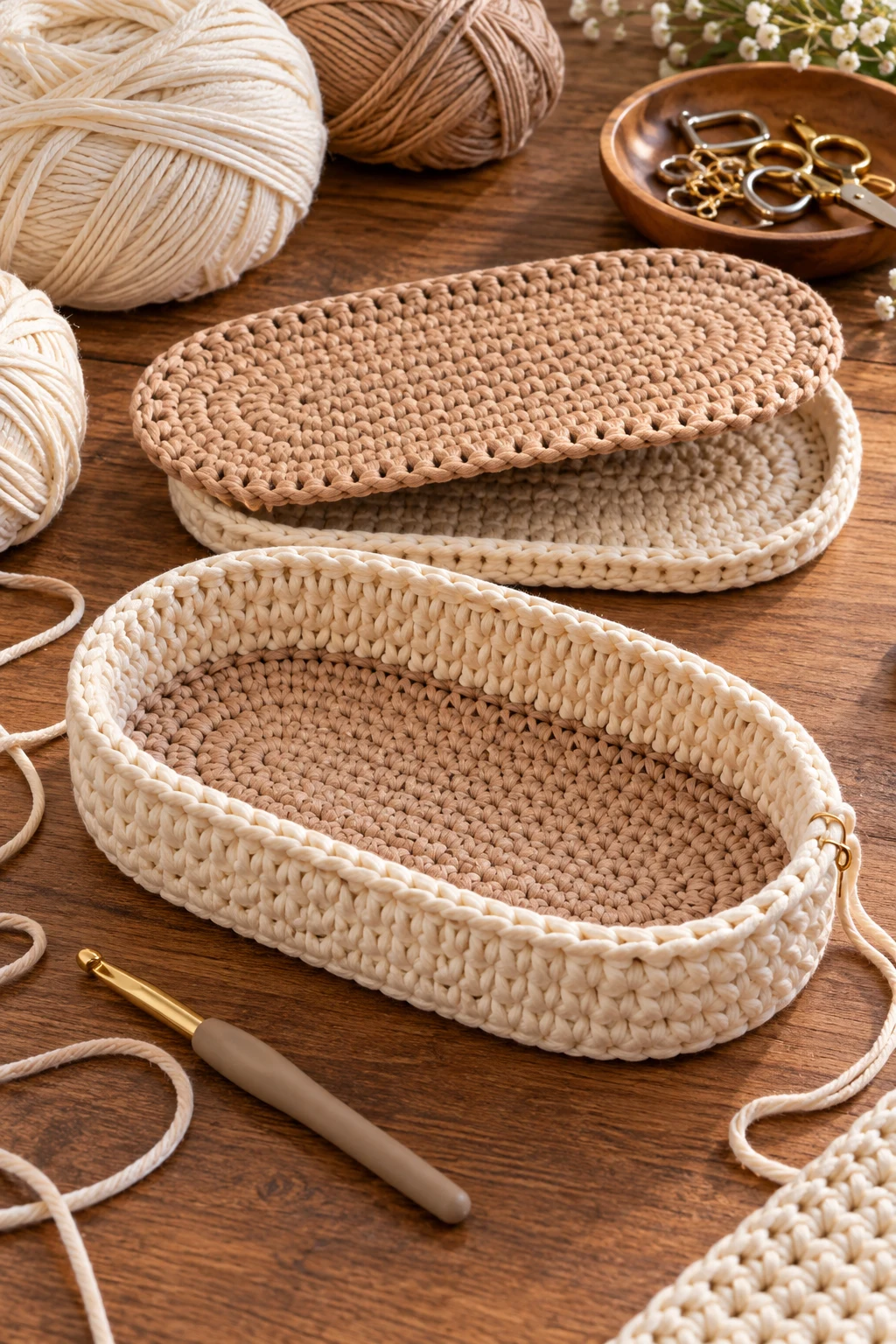
A double-layer construction is an excellent solution when you want softness on the outside but extra strength underneath. Crochet two identical bases and join them around the perimeter before continuing upward with the bag body.
For the inner layer, choose a firm cotton yarn. For the outer layer, you can use a decorative yarn, striped color combination, or textured stitch pattern.
The key to this technique is making both layers exactly the same size before joining them.
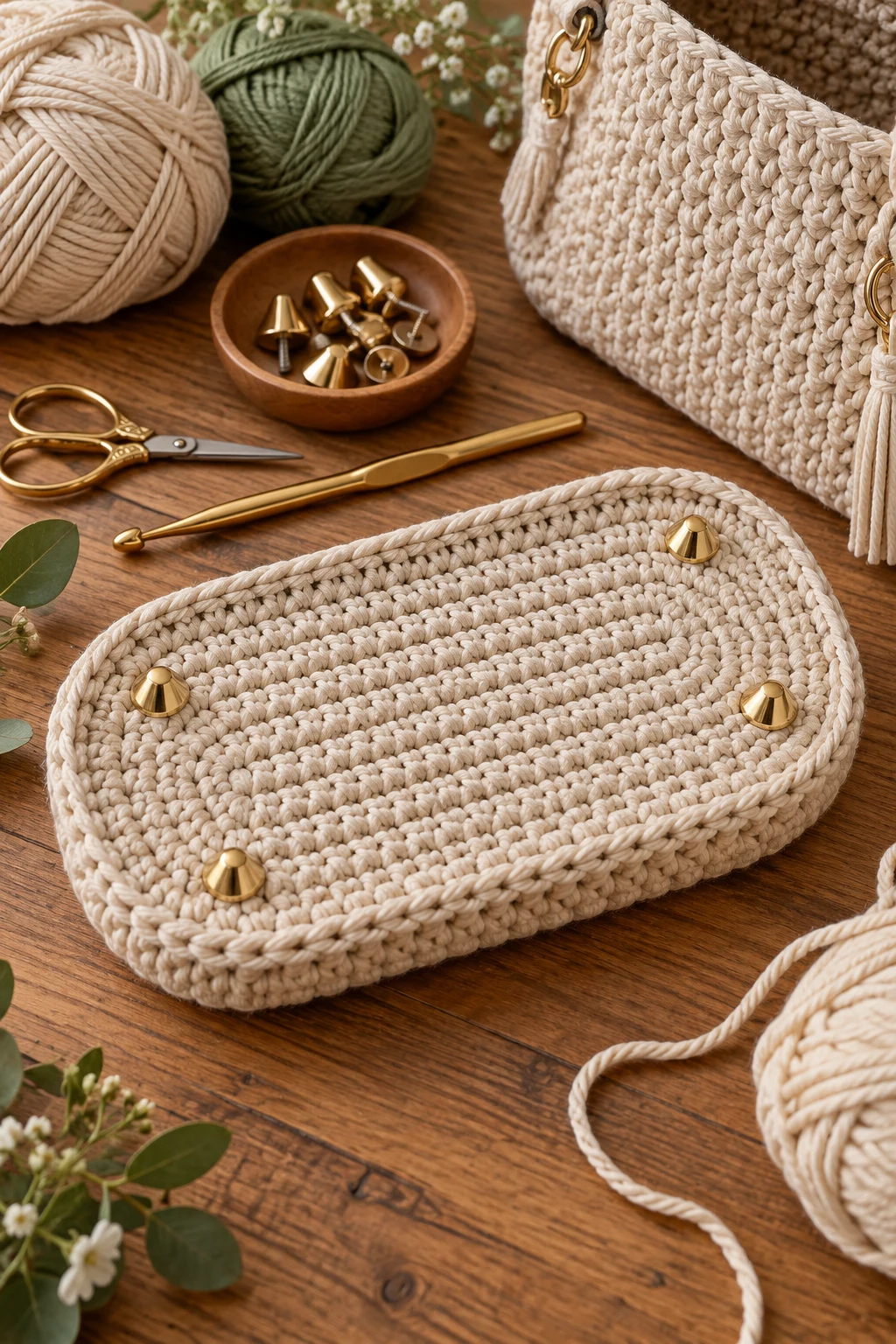
8. Crochet Bag Base With Metal Feet
Want your handmade handbag to stay cleaner? Add metal bag feet to the base. These tiny hardware pieces lift the bottom slightly above tables, counters, and floors while giving the bag a finished handbag aesthetic.
A firm crocheted base works best because the feet need something stable to anchor into. Add a fabric or interfacing layer inside the bottom if your yarn feels too flexible.
Gold feet look beautiful with cream, camel, or chocolate-brown crochet. Silver hardware works nicely with charcoal, navy, or icy blue yarn.
The key to this look is reinforcing the attachment points so the hardware doesn’t stretch the crochet fabric.
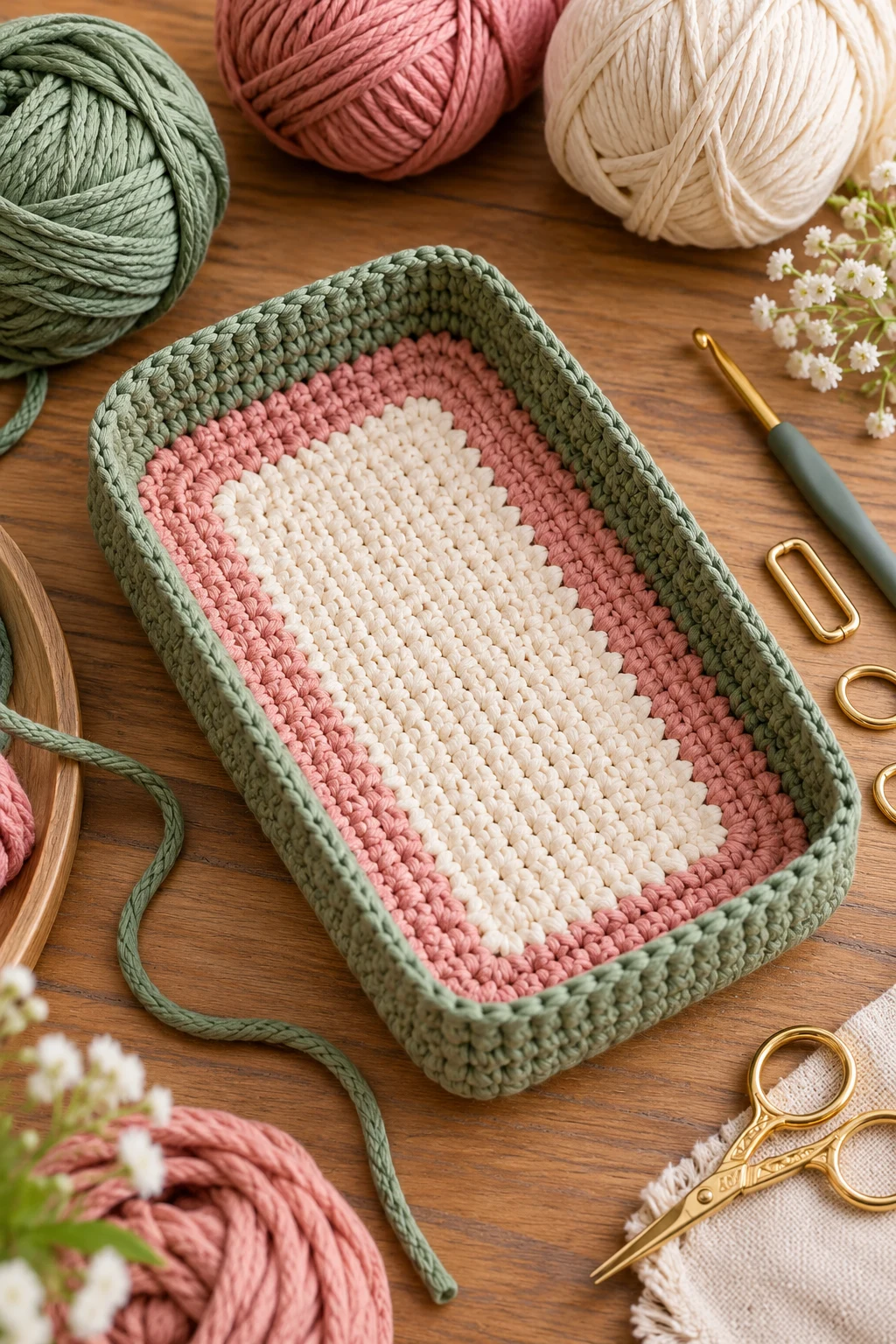
9. Color-Blocked Rectangle Base
A rectangle doesn’t have to be plain. Use two or three contrasting shades to create a graphic base that becomes part of the bag’s overall design.
Try chocolate brown and ivory for a classic autumn tote, terracotta and blush for a warm feminine palette, or cobalt and white for a crisp summer handbag.
Work horizontal stripes across the base or divide the rectangle into color blocks. Keep the side panels simpler so the bottom remains the visual feature.
This approach can also make a simple crochet bag base pattern look far more custom without requiring complicated stitches.
The key to this look is choosing strong color contrast while keeping the stitch pattern simple.
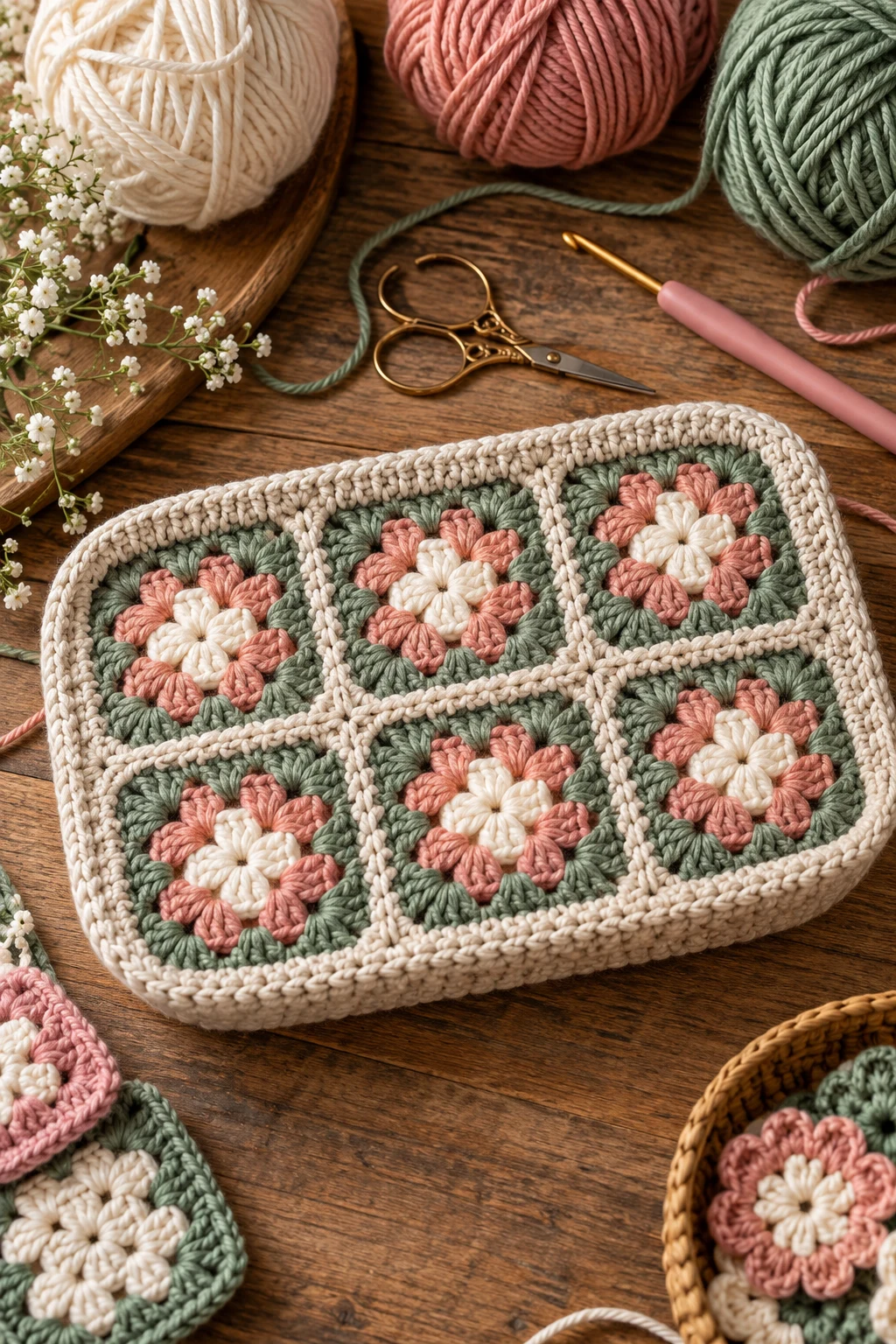
10. Granny-Square Inspired Base
If you love granny squares but want a more practical bottom, create a solid square or rectangle inspired by traditional granny construction.
Instead of using open granny clusters throughout the bottom, combine clusters with dense single crochet sections. This gives you the nostalgic appearance of granny crochet while creating a stronger foundation.
A base in sage green, cream, and dusty pink works beautifully for a spring handbag. For a more vintage effect, try mustard, burgundy, and oatmeal.
The key to this technique is using dense stitches around the perimeter to create a firm transition into the bag walls.
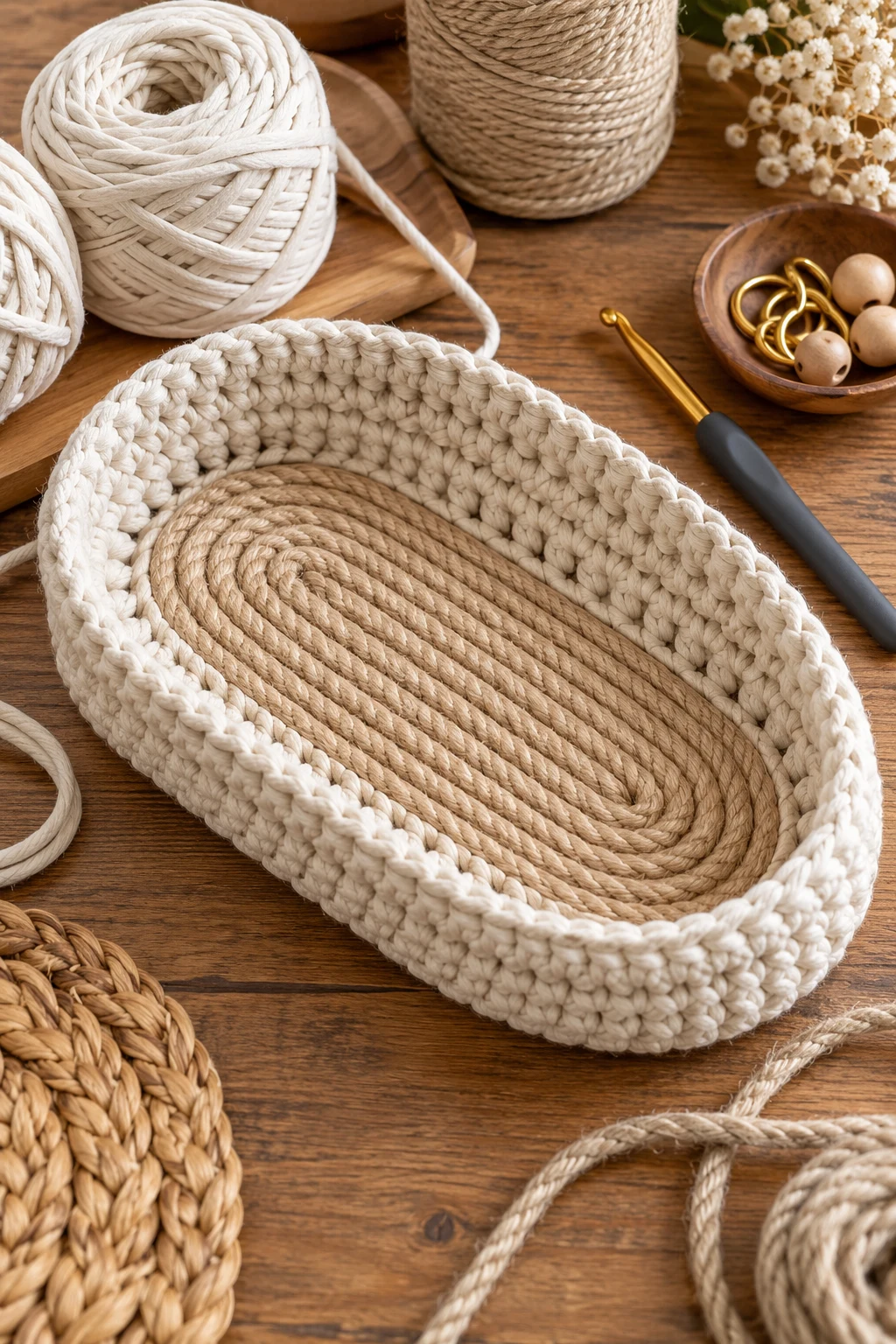
11. Rope-Reinforced Crochet Base
A crochet base made around cotton rope gives a remarkably structured result. This method is especially useful for baskets, beach bags, and oversized summer totes.
Place a cotton clothesline rope along the working edge and crochet tightly around it. The rope becomes hidden inside the stitches while providing additional resistance against stretching.
Natural cotton rope pairs beautifully with cream, sage, terracotta, and denim-blue yarn. It also gives handmade bags a subtle coastal character without requiring complicated stitchwork.
The key to this technique is maintaining consistent tension around the rope so the base remains smooth rather than wavy.
12. Crochet Bag Base and Handles Matched Together
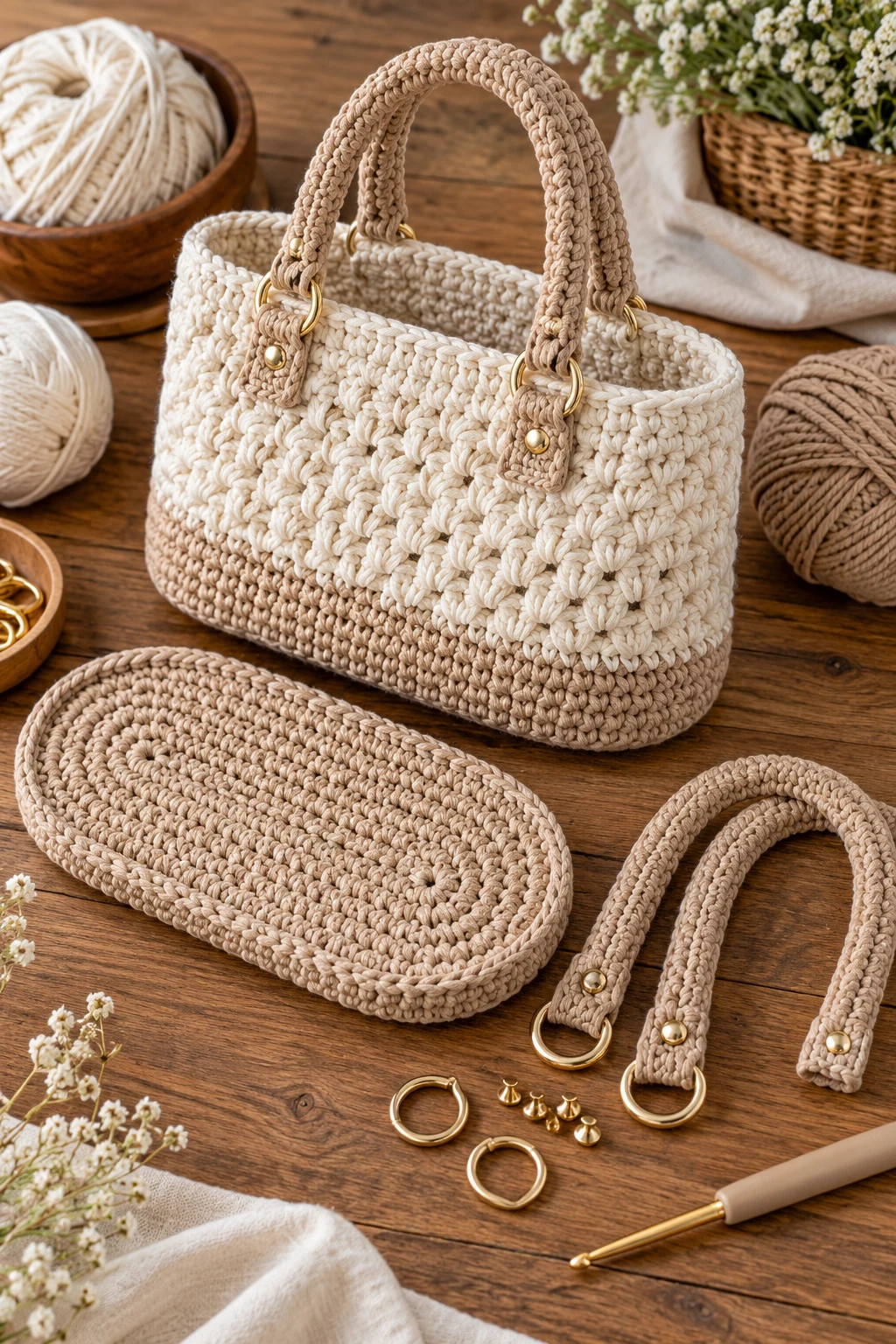
For a coordinated designer-inspired project, plan the base and handles at the same time. This creates a handbag where every structural component feels intentional.
For example, pair a rectangular tan base with matching faux-leather handles and a cream crochet body. Or use a black crocheted base with chunky black handles for a sleek city tote.
Before starting, decide whether your handles will be attached directly to the crochet body or supported by tabs. Leather-style handles, metal rings, and reinforced crochet tabs can all work well.
The key to this look is designing the base, body, and handle attachment points as one structural system rather than separate pieces.
13. Free-Pattern Beginner Base
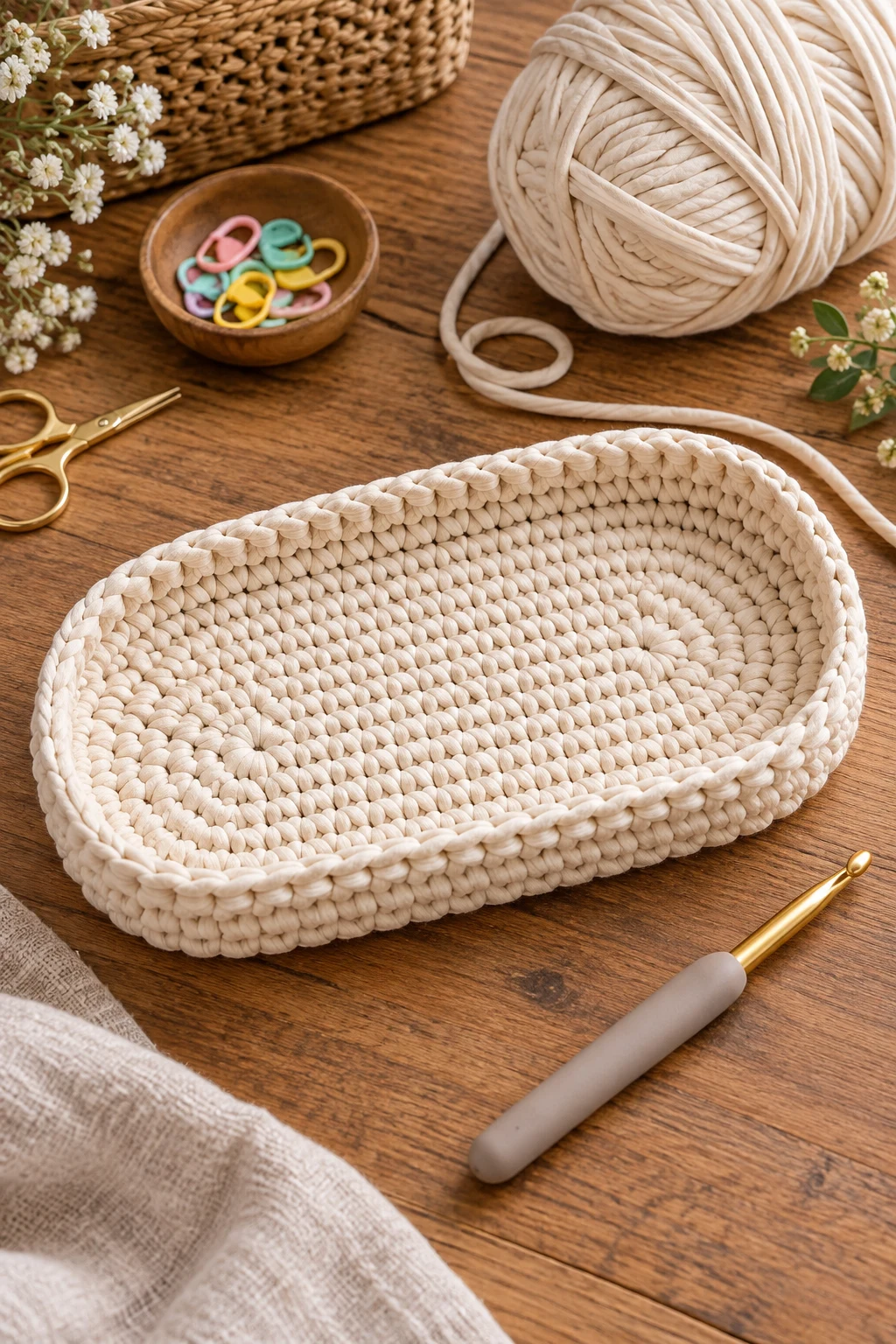
If you’re brand-new to bag making, choose a simple crochet bag base free pattern using single crochet. This gives you an easy way to practice counting stitches, increasing, maintaining tension, and creating straight edges.
A beginner base can start with a foundation chain of around 20–30 stitches, depending on yarn weight and desired bag size. Work around the chain with increases at both ends, then continue until the base reaches your preferred dimensions.
Use a sturdy cotton such as cream, mustard, dusty blue, or sage. Cotton is particularly beginner-friendly because it shows stitch definition clearly.
The key to this technique is counting every increase carefully so the base doesn’t accidentally turn into a ruffled circle.
Coitak 4+8 PCS Bag Bases for Crochet with D Shape Purse Handles and Crochet Hooks
14. Designer-Style Structured Base
For a polished handbag that looks store-bought, combine several techniques: a firm rectangle or oval foundation, dense crochet stitches, reinforcement, and quality hardware.
Start with a structured crochet bag base, add a lining, reinforce the bottom with interfacing or plastic, and finish with polished handles. A small magnetic closure can complete the look.
Seasonal trend reports and contemporary handmade-accessory collections continue to highlight structured silhouettes, natural fibers, and tactile craftsmanship, making this approach especially relevant for autumn and winter crochet projects.
Try espresso brown yarn with brass hardware for a sophisticated fall bag, or ivory yarn with gold accents for an elegant occasion piece.
The key to this look is combining structure with refined finishing details rather than relying on decorative stitches alone.
FAQ
What is a crochet bag base?
A crochet bag base is the bottom foundation of a handmade bag that determines its shape, width, stability, and ability to support the bag’s contents. It can be crocheted directly, reinforced with plastic, or combined with leather, faux leather, rope, or other materials.
How do you make a crochet bag base?
You can make a crochet bag base by starting with a chain or magic ring and building an oval, rectangle, or circle using controlled increases. For extra structure, add a lining, plastic insert, rope reinforcement, or leather bottom.
Why does my crochet bag base curl?
A crochet bag base usually curls because of incorrect increases, uneven tension, or a stitch count that doesn’t match the shape you’re trying to create. Blocking the piece and checking your increase placement can help restore a flat shape.
📚 You Might Also Like
- Crochet Cross Bag: 14 Stylish DIY Ideas for Every
A crochet cross bag is a handmade shoulder bag worn across the body, combining practical storage wit…
- 14 Cute Crochet Hello Kitty Bag Ideas You’ll Want to
Crochet hello kitty bag designs are handmade bags inspired by Hello Kitty’s recognizable bow, whiske…
- Crochet bag tutorial handbags — Free Pattern
Cream White Crochet Handbag That Looks Store-Bought crochet bag tutorial handbags are one of my favo…
- 11 Crochet Popcorn Bag Ideas You’ll Want to Make
Crochet popcorn bags are handmade bags that use raised popcorn or bobble stitches to create a textur…
- 11 Crochet Waist Bag Ideas You’ll Want to Make
Crochet waist bag is a compact handmade bag worn around the waist or across the body, combining prac…
The Bottom Line
A great crochet bag base can completely change the finished appearance of a handmade bag. Choose an oval for roomy totes, a rectangle for structured handbags, leather for a polished finish, plastic for extra stability, or rope for durable summer designs. Don’t underestimate the boring-looking bottom—it carries the weight, controls the silhouette, and determines whether your bag looks beautifully intentional or slightly floppy. Start with the yarn and bag size you already have in mind, choose one of these 14 construction ideas, and build from there. A stronger foundation means a better handmade bag, and your future crochet projects will thank you.
Add a quick comparison table
Include stitch-count examples
🛍️ Shop the Look — crochet bag base
Our handpicked Amazon picks curated specifically for crochet bag base:
As an Amazon Associate I earn from qualifying purchases.