ChatGPT said:
15 Crochet Design Pattern Ideas for DIY & Crafts
A crochet design pattern is a creative blueprint that tells you how to turn yarn and stitches into a finished project with a specific shape, texture, color scheme, or purpose. From a cobalt shoulder bag to a cozy Nordic sweater, the right pattern can make handmade crochet feel surprisingly polished, according to The Spruce Crafts. You can follow a detailed pattern exactly, customize a crochet design pattern free resource, or eventually create your own from scratch. The trick is choosing projects that match your skill level while still giving you something exciting to experiment with. These 15 ideas cover accessories, clothing, home décor, and original designs, with specific colors and techniques to keep your projects interesting. Grab your favorite crochet hook, choose your yarn, and prepare for a serious case of “I made this myself” satisfaction.
1. Cobalt Blue Statement Shoulder Bag — crochet
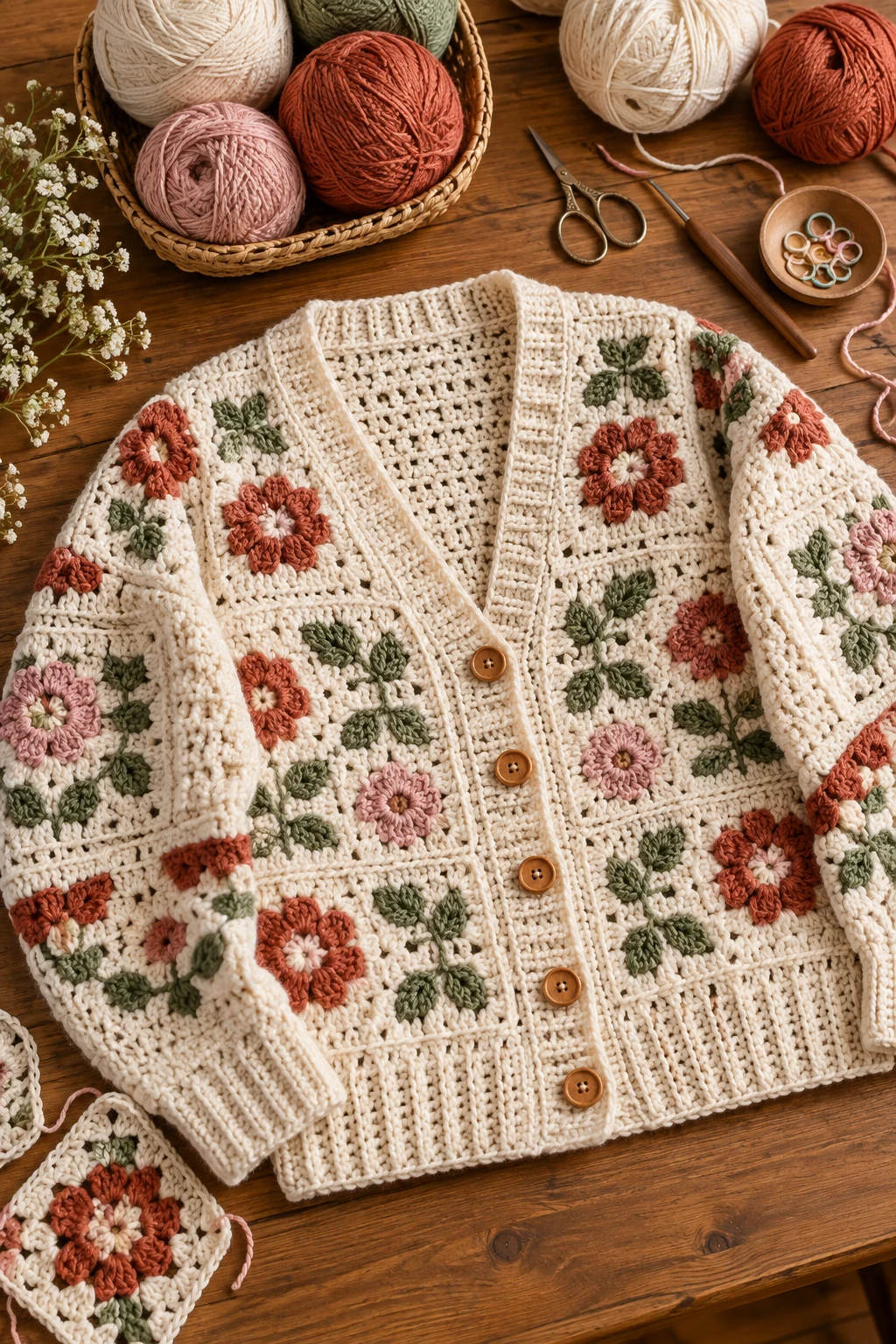
A cobalt blue shoulder bag is an excellent first project when you want a crochet design pattern that looks fashion-forward without demanding complicated garment shaping. Use sturdy cotton yarn and work the body in single crochet or half-double crochet to create a firm fabric, according to Martha Stewart Crafts. The saturated blue makes the finished bag stand out beautifully against neutral outfits.
Begin with a flat oval or rectangular base, then crochet upward without adding extra stitches once you reach the desired width. Finish with crocheted handles, a magnetic snap, and a cotton lining. For a more versatile design, attach a detachable gold-tone chain strap so you can carry it over the shoulder or by hand.
For an expert-level finish, reinforce the handle attachment points with extra rows rather than relying on a single connection point. A little reinforcement now can save you from a dramatic “there goes my bag” moment later.
The key to this look/technique is maintaining tight, even tension so the cobalt blue fabric stays structured and supports everyday essentials.
2. Colorful Granny Square Tote — crochet
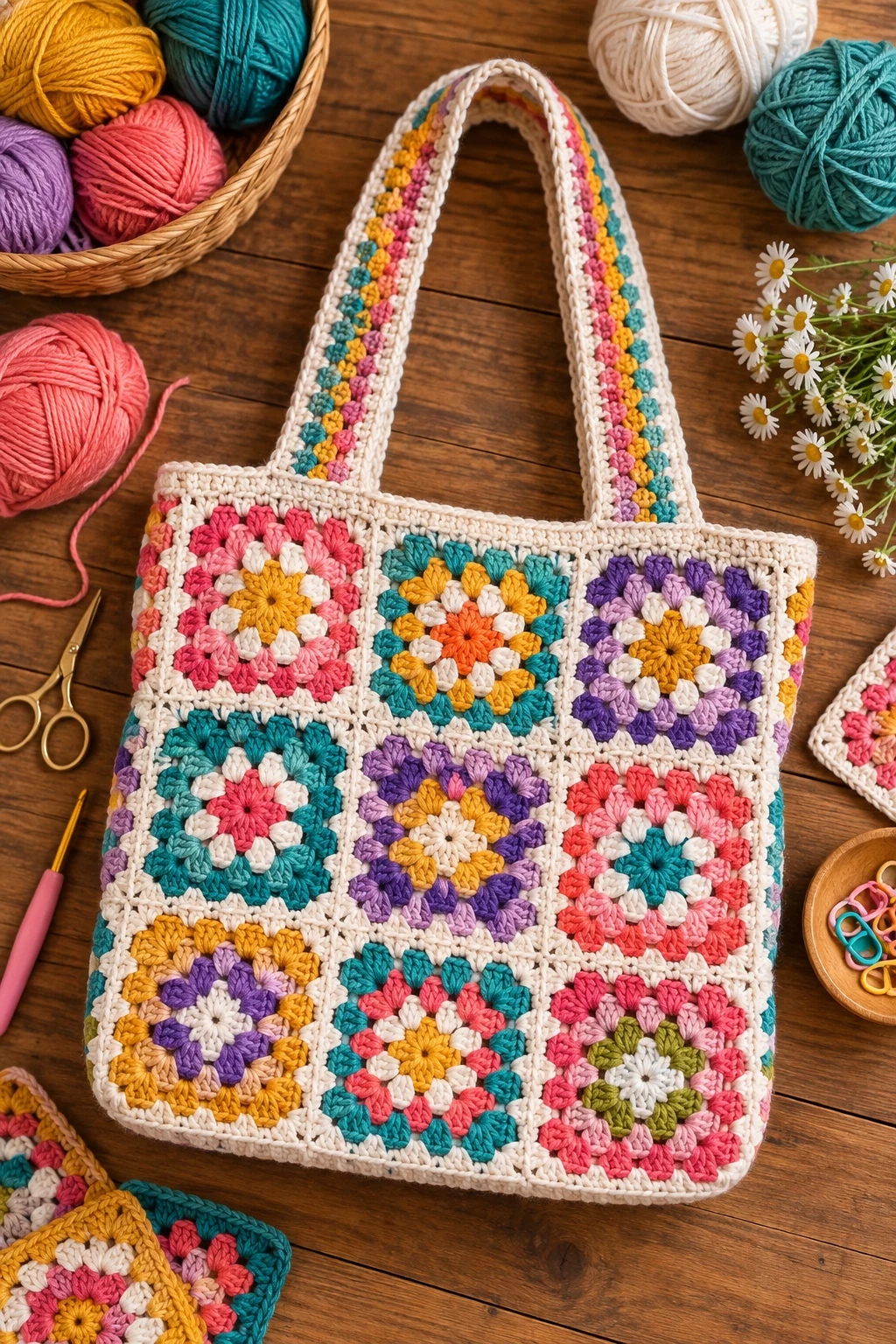
Granny squares remain one of the most useful types of crochet pattern because one basic motif can become almost anything. For a cheerful tote, combine butter yellow, dusty pink, sage green, and ivory. Alternate the color placement between squares to create a patchwork effect rather than making every motif identical.
Work each square with cotton yarn and a 4 mm crochet hook, then join the pieces using a neat mattress stitch or a visible contrasting seam. Add an ivory border around the completed panels and sew in a lightweight fabric lining for extra strength.
This project works especially well if you are browsing crochet ideas patterns free and want to turn a basic motif into something more personal. You can make the bag wider, add pockets, or replace the handles with a long crocheted strap.
The key to this look/technique is making every granny square the same finished size before joining them, because mismatched squares create unnecessary construction drama.
3. Textured Cream Cardigan — crochet
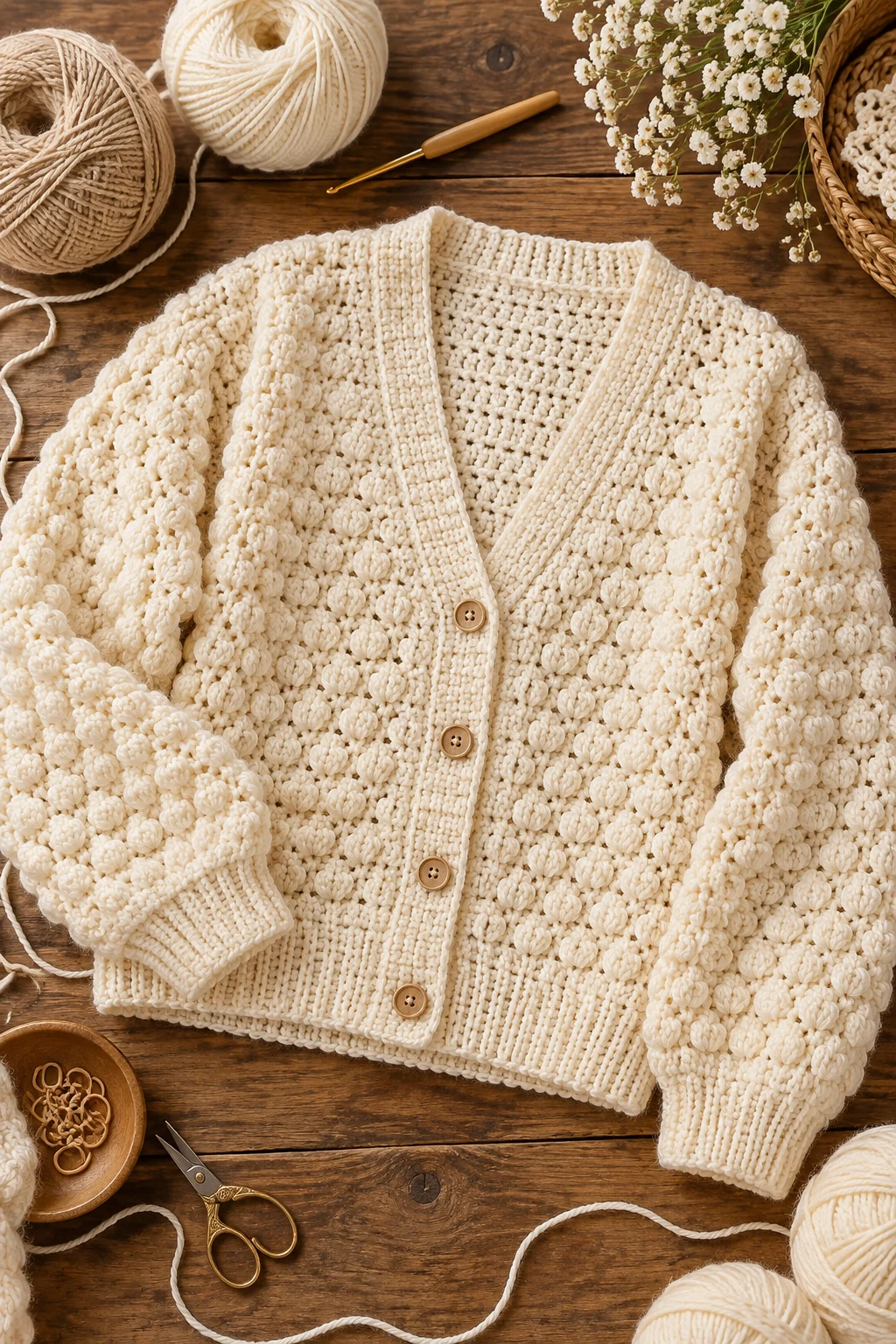
A cream cardigan gives you plenty of room to explore texture while keeping the finished garment wearable. Choose ivory, oatmeal, or warm beige yarn and combine half-double crochet with front-post and back-post stitches for subtle vertical ribs.
For an autumn wardrobe, choose a wool-blend yarn and create a relaxed cardigan with dropped shoulders, wide cuffs, and a slightly longer hem. For spring, use cotton or bamboo yarn to create a lighter version that works over dresses and tank tops.
Before beginning the full garment, make a gauge swatch. This is one of those expert tips that sounds boring until your “medium cardigan” somehow fits like a very fashionable tent. Correct gauge keeps your finished measurements much closer to the intended size.
The key to this look/technique is balancing textured stitches with simple shaping so the cardigan looks sophisticated rather than overly busy.
4. Lavender Floral Bucket Hat
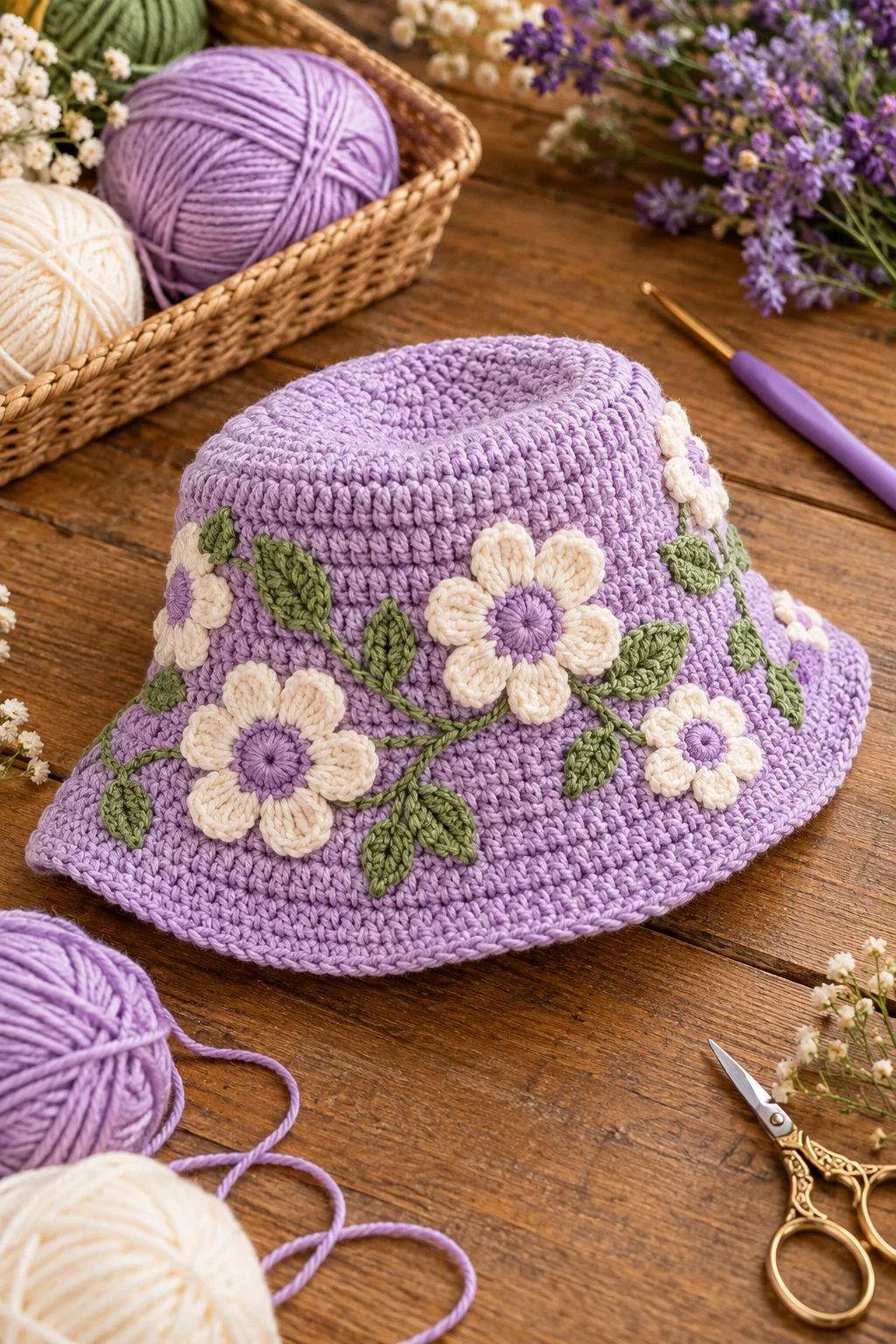
A lavender bucket hat is a playful warm-weather project for spring vacations, outdoor concerts, and sunny weekend outfits. Start with a circular crown in lavender cotton yarn, work the sides downward, and finish with a gently flared brim.
Add small white and butter-yellow crochet flowers around the crown or place one larger flower on the side. You can crochet the flowers separately and sew them on afterward, which makes it easy to change the decoration without rebuilding the hat.
If you prefer printed instructions, saving a crochet design pattern pdf can make the project easier to follow at your crafting table. Keep your stitch counts nearby, especially while increasing the crown.
The key to this look/technique is spacing the crown increases evenly so the hat remains circular instead of developing mysterious corners.
5. Rust and Cream Striped Sweater
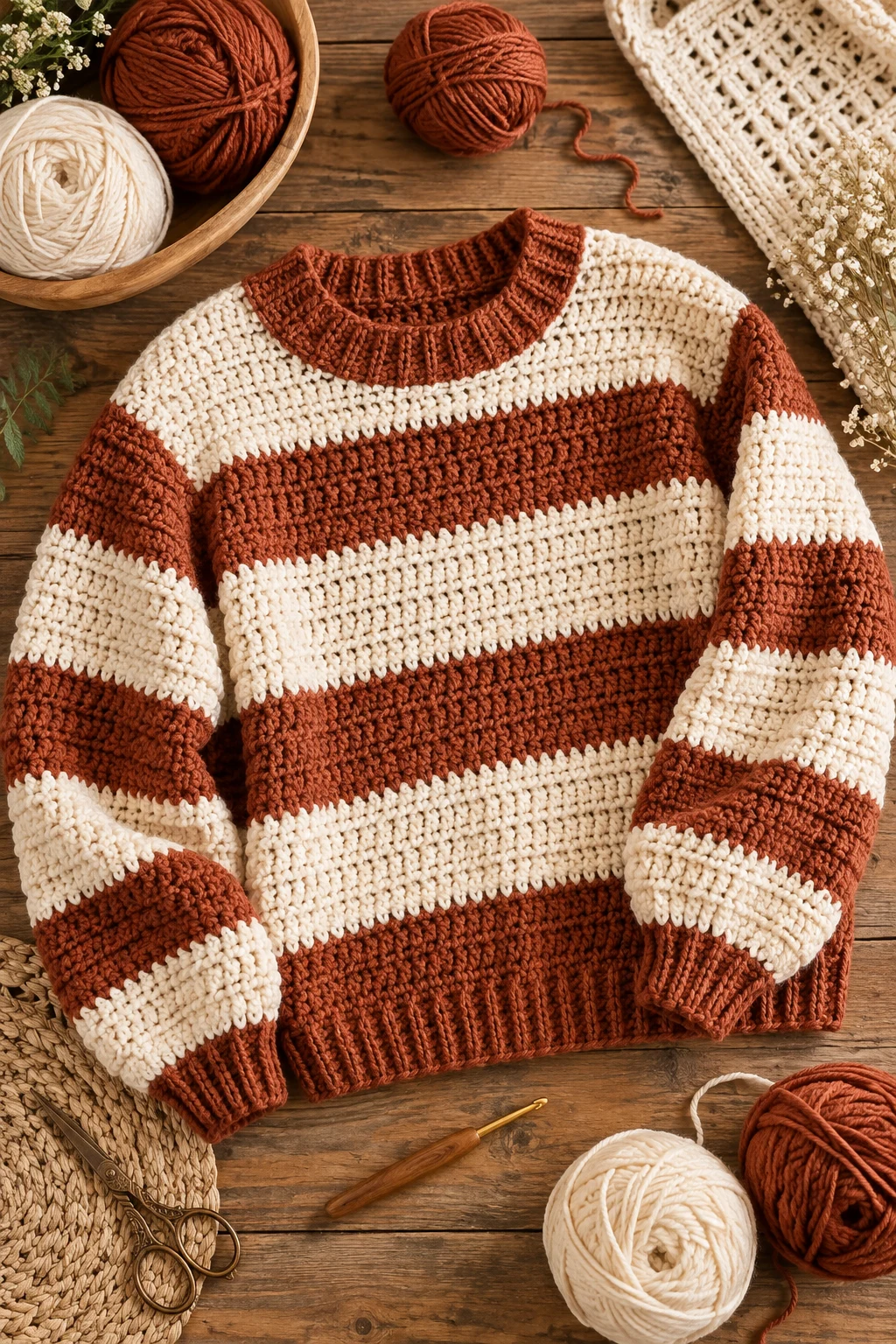
A striped sweater proves that a straightforward crochet design pattern can still create a dramatic fashion piece. Combine rust, cream, and chocolate brown for an autumn palette that pairs beautifully with straight-leg jeans, corduroy trousers, or a denim midi skirt.
Use half-double crochet for the body and ribbed crochet for the cuffs, neckline, and hem. Wide horizontal stripes give the sweater a relaxed appearance, while narrower stripes create a more graphic design.
Before starting, write down your stripe sequence. You can even sketch the arrangement using graph paper or crochet design pattern software before picking up the hook. That small planning step helps you visualize the finished sweater and keeps the color changes consistent.
The key to this look/technique is repeating the stripe sequence precisely across the body and sleeves so the sweater feels intentionally designed.
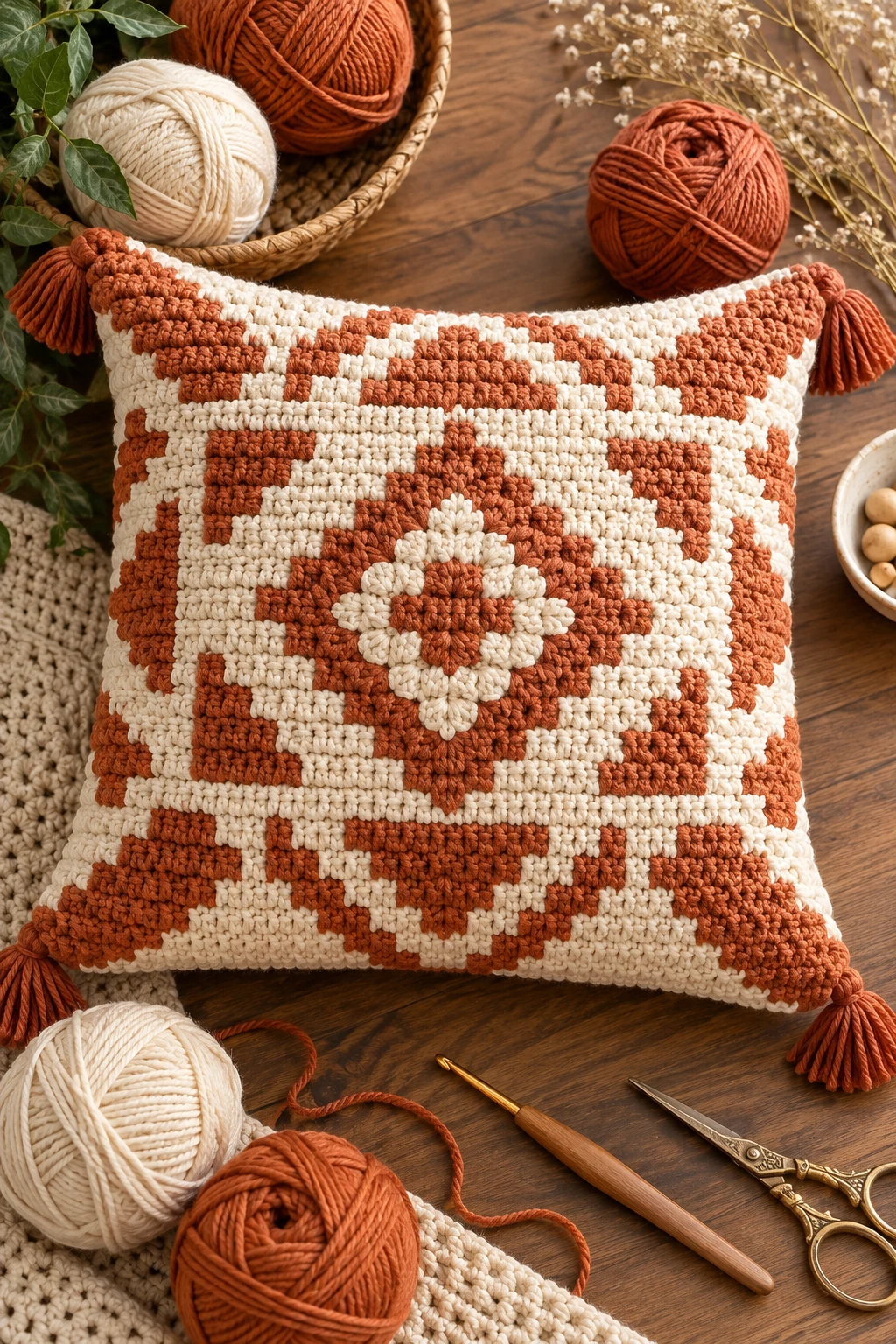
6. Terracotta Geometric Cushion
Crochet isn’t limited to clothing and accessories. A geometric cushion can give a living room, reading nook, or bedroom an instant handmade focal point. Try a palette of terracotta, charcoal, ivory, and warm beige for a modern interior.
Create diamonds, zigzags, checkerboards, or diagonal stripes using colorwork crochet. Work the front panel with your chosen motif and keep the back simpler with rows of single crochet. Add a zipper so the cover can come off easily for washing.
A cushion also makes an excellent testing ground for new crochet design patterns. You can practice a complicated stitch repeat on a small project before committing to an enormous blanket that takes over your entire sofa.
The key to this look/technique is keeping your color changes neat so the geometric shapes remain crisp on the finished fabric.
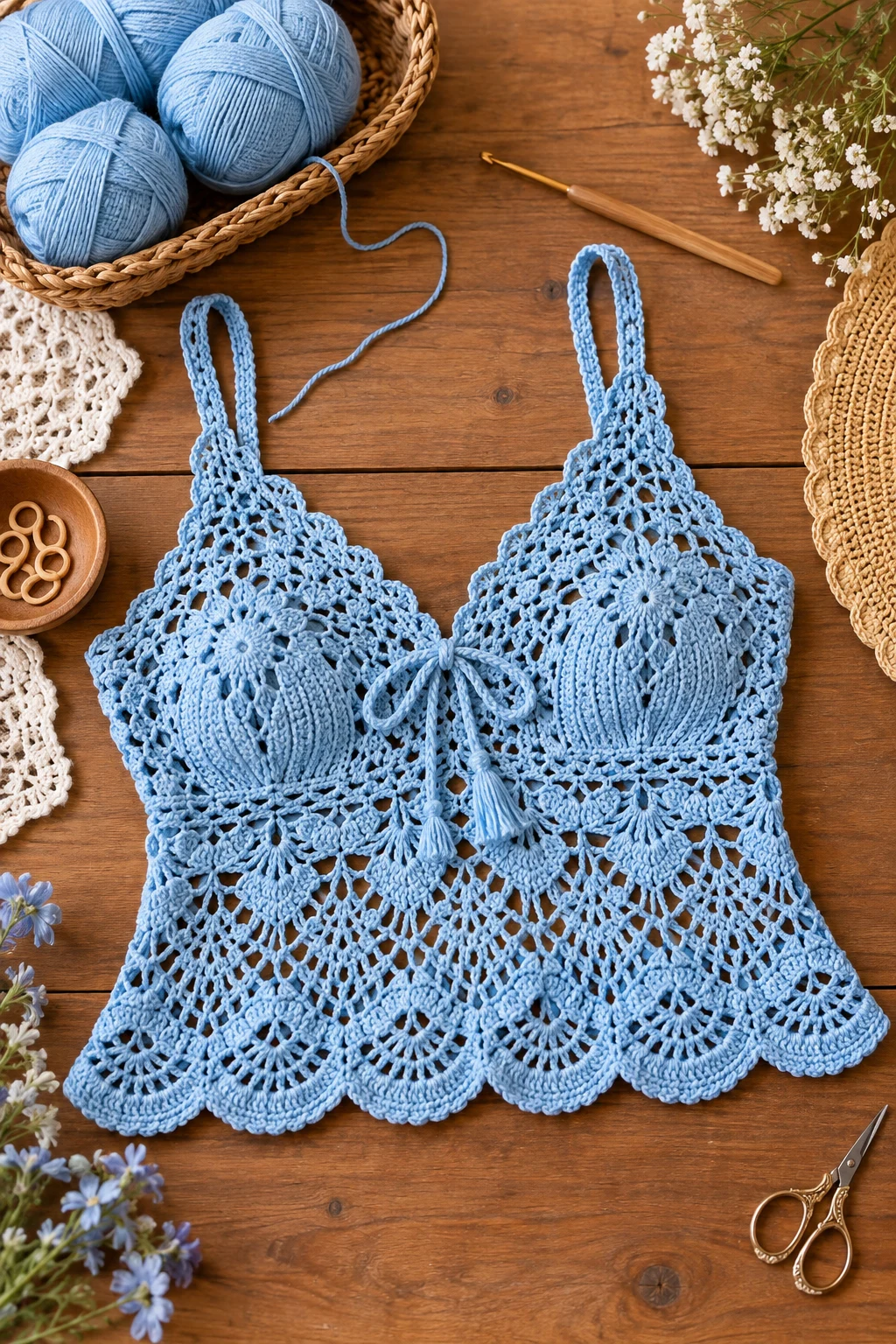
7. Sky Blue Lace Summer Top
A sky blue lace top makes a beautiful crochet project for beach holidays, garden parties, and summer dinners. Use cotton, bamboo, or a cotton-linen blend and build the fabric with chains, double crochet clusters, fans, and open spaces.
Keep the construction relatively simple with front and back panels, then add short sleeves or a sleeveless finish. A scalloped hem gives the garment a delicate detail without requiring complicated shaping. Pair it with white linen trousers or high-waisted denim for a relaxed summer outfit.
If you’re new to garment construction, a crochet design pattern free template can give you a useful starting point. Once you understand the measurements, you can adjust the neckline, length, or sleeve shape.
The key to this look/technique is keeping your chain spaces consistent so the lace pattern stays symmetrical throughout the garment.
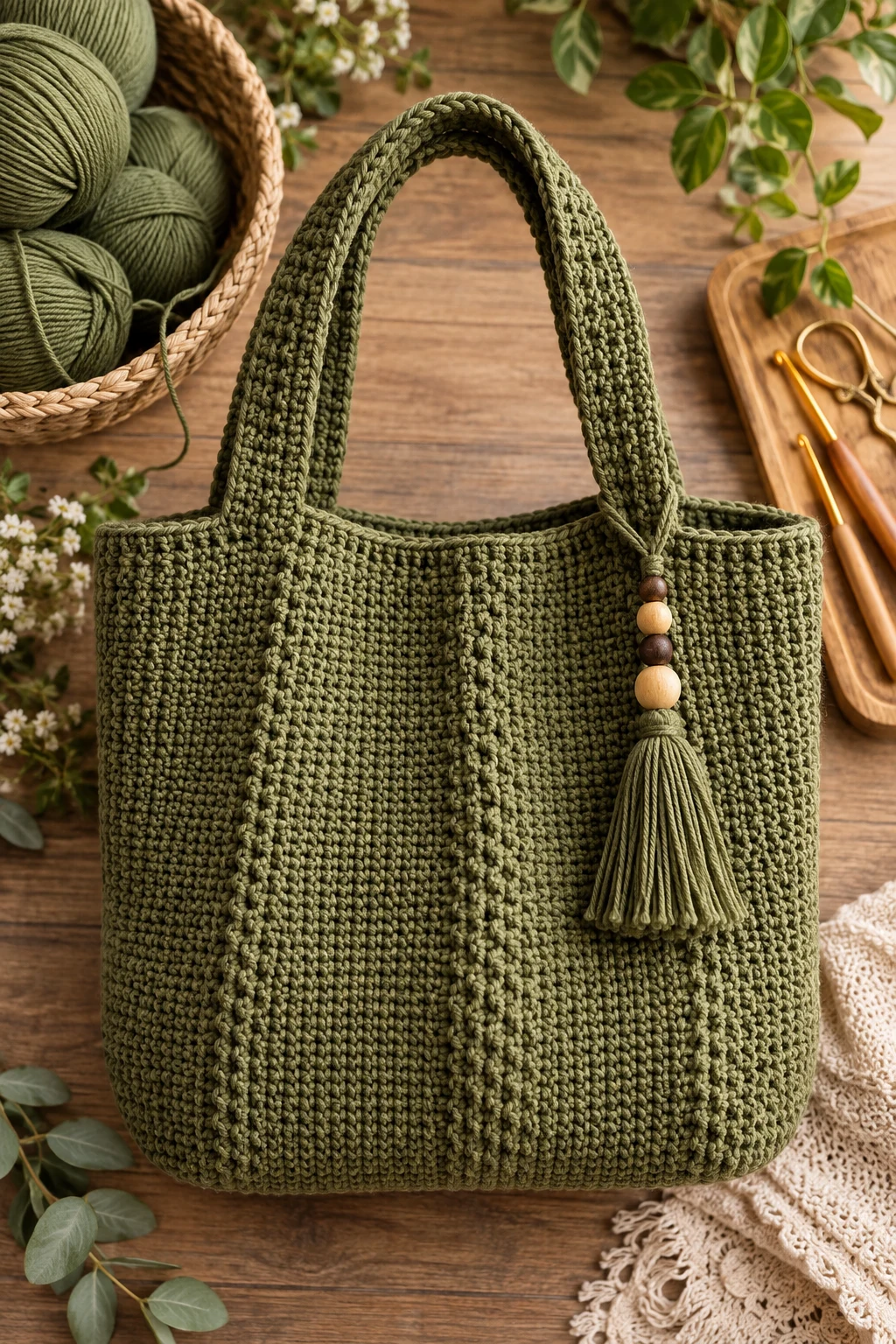
8. Olive Green Tunisian Tote
Tunisian crochet creates a dense, woven-looking fabric that makes an excellent tote. Choose olive green cotton for the main body and add a cream stripe near the opening for a subtle contrast.
Work the bag using Tunisian simple stitch, then reinforce the top edge before attaching sturdy handles. Add an interior pocket for keys, sunglasses, or your phone. The dense fabric also makes this design useful for carrying books or a tablet.
When exploring different crochet design patterns, Tunisian crochet is worth trying because it creates a texture that looks noticeably different from conventional crochet. The technique may feel unfamiliar at first, but the rhythm becomes easier after several rows.
The key to this look/technique is keeping the loops loose enough during the return pass to prevent the fabric from becoming stiff.
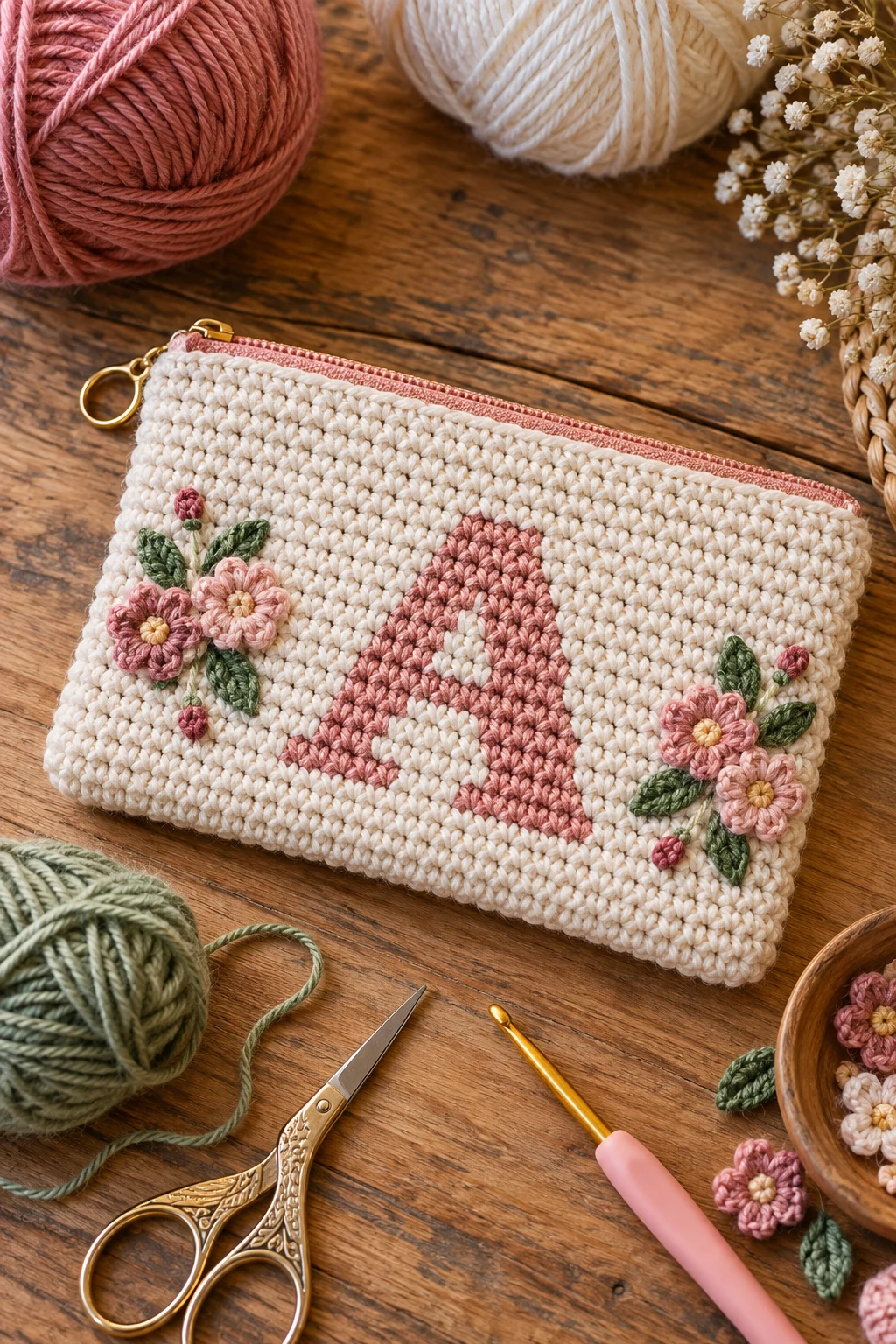
9. Personalized Initial Zipper Pouch
A small personalized pouch is an ideal project when you want to experiment without committing to a large item. Crochet a rectangular pouch in dusty blue, blush pink, sage green, or cream, then add an initial using surface crochet or simple colorwork.
Use cotton yarn, a small crochet hook, and a matching zipper. Make the pouch for cosmetics, jewelry, earbuds, coins, or crochet accessories. For gifts, personalize several pouches with initials such as A, M, S, or L.
You can start from simple crochet ideas patterns and then change the dimensions. Once you understand how the sides, base, and zipper work together, you can make tiny pouches, pencil cases, or larger organizer bags using the same construction principle.
The key to this look/technique is keeping the initial large and readable while maintaining even tension around the surrounding stitches.
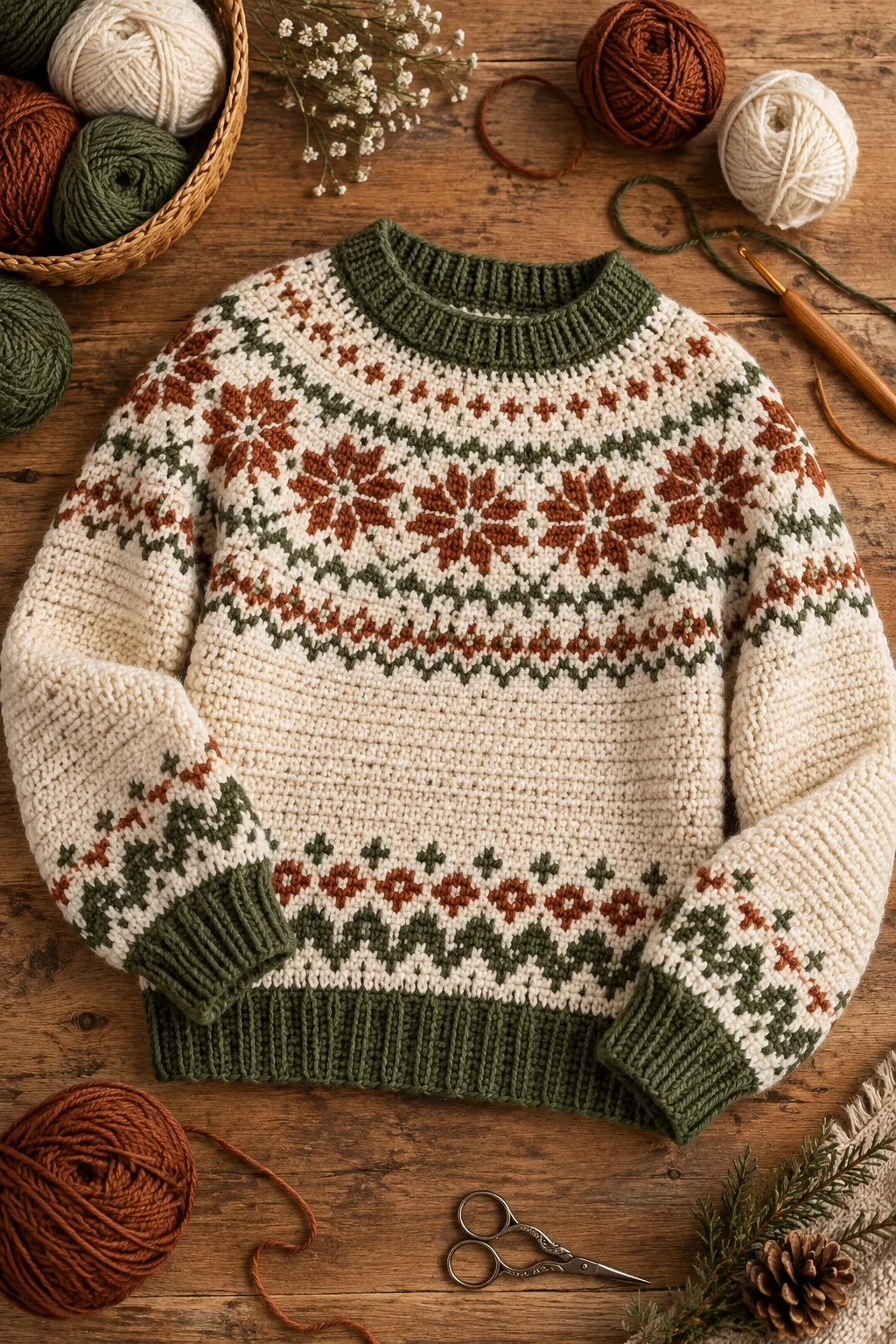
10. Nordic-Inspired Colorwork Pullover
Nordic-inspired crochet brings bold geometric motifs into a modern sweater design. Use cream as the main color and combine charcoal, forest green, burgundy, and navy for snowflakes, diamonds, triangles, or repeating bands.
A successful crochet design pattern for colorwork requires careful planning because the motifs need to align around the yoke and body. Sketch your repeat on graph paper first and decide exactly where each color change will occur.
Crocheters researching DROPS Design crochet patterns can study established examples to understand garment shaping, color combinations, and stitch construction. Some pattern collections also provide downloadable resources, making them useful references when learning how professional crochet patterns organize information.
The key to this look/technique is planning the color sequence before crocheting so the geometric motif stays centered and balanced.
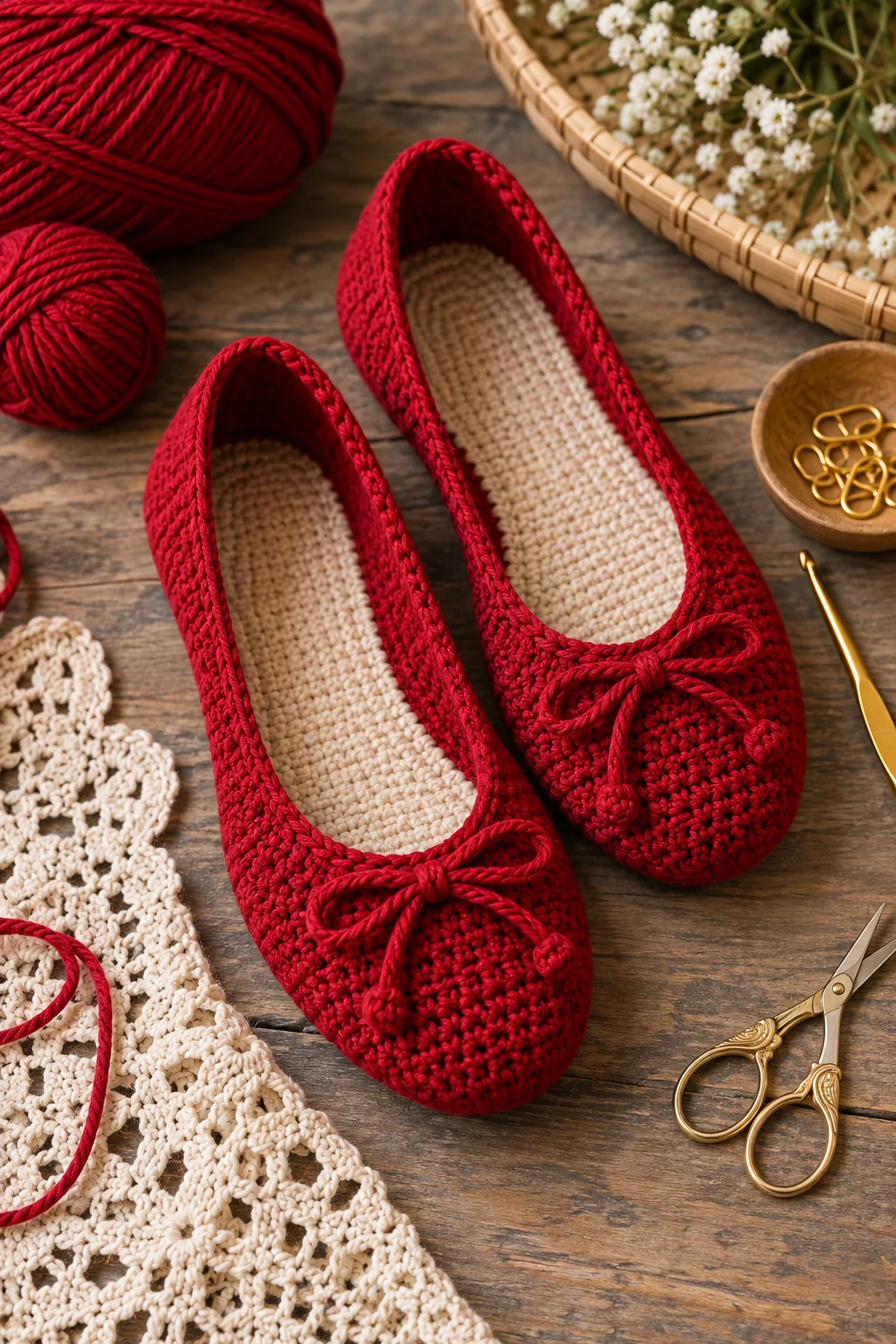
11. Cherry Red Crochet Ballet Flats
Crochet ballet flats are a more advanced project, but they can create a genuinely distinctive handmade accessory. Work the upper in cherry red, black, ivory, or blush pink and attach it securely to a flexible sole.
Use durable cotton yarn, shoe soles, and a strong sewing needle for finishing. Keep the toe section dense for support, then add a narrow contrasting trim around the opening. A tiny crocheted bow can give the finished flats a feminine detail.
Because feet differ significantly in width and shape, treat your first pair as a prototype. Test the fit before permanently attaching the upper to the sole, and adjust the length or opening as necessary.
The key to this look/technique is prioritizing fit and reinforcement rather than treating the project like an ordinary crocheted accessory.
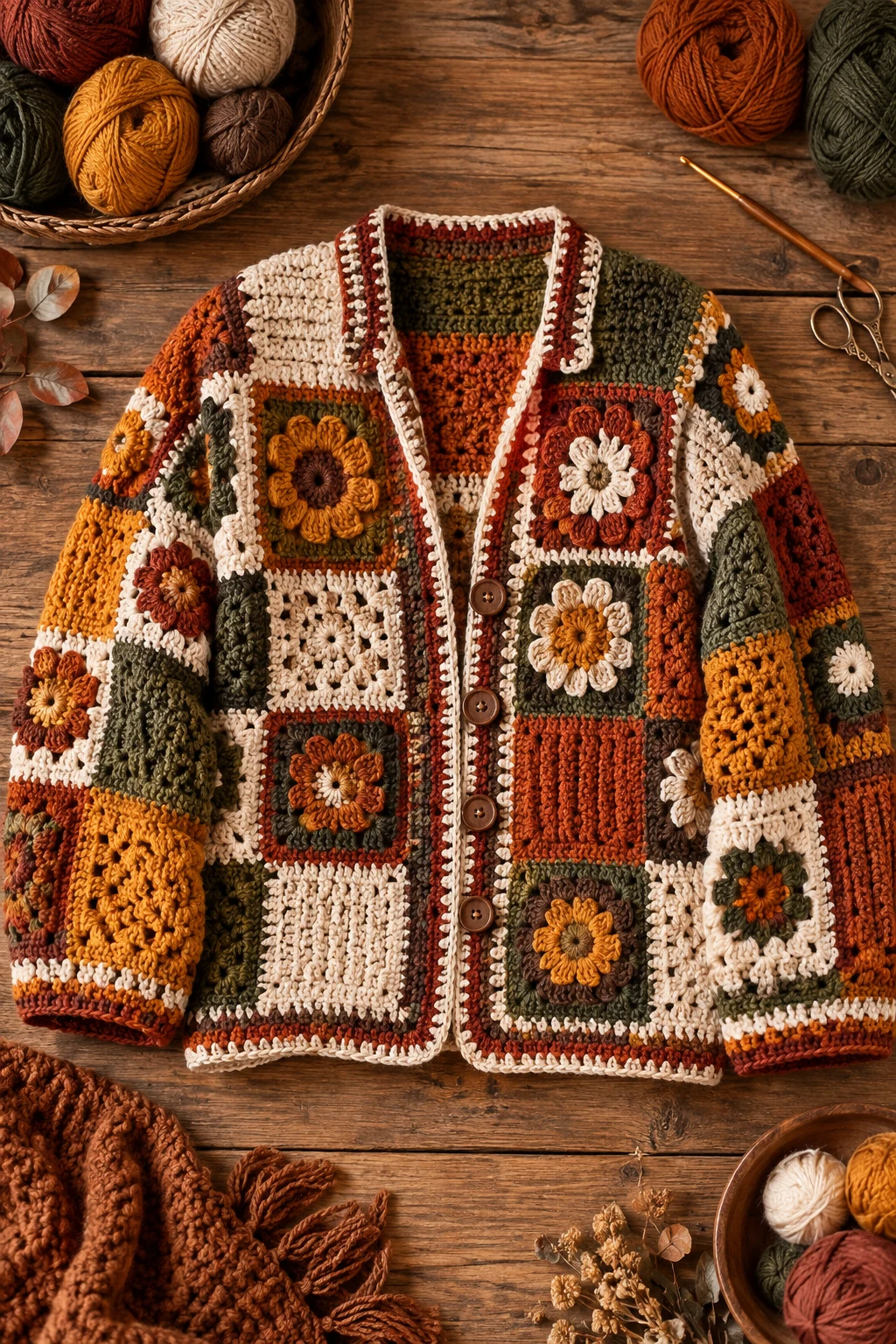
12. Patchwork Autumn Crochet Jacket
A patchwork jacket lets you combine squares, rectangles, floral motifs, and solid crochet panels into one wearable piece. Use rust, denim blue, mustard, olive green, and cream for a rich autumn palette.
Lay the finished pieces on the floor or a large table before joining them. This makes it much easier to balance the colors and avoid accidentally creating one giant mustard blob in the middle of the back.
Use wool-blend yarn for a warmer autumn jacket or cotton for a lightweight transitional layer. Pay special attention to the shoulders, armholes, and side seams because motif alignment affects both appearance and fit.
The key to this look/technique is repeating one or two colors throughout the jacket so the different motifs feel like part of one deliberate design.
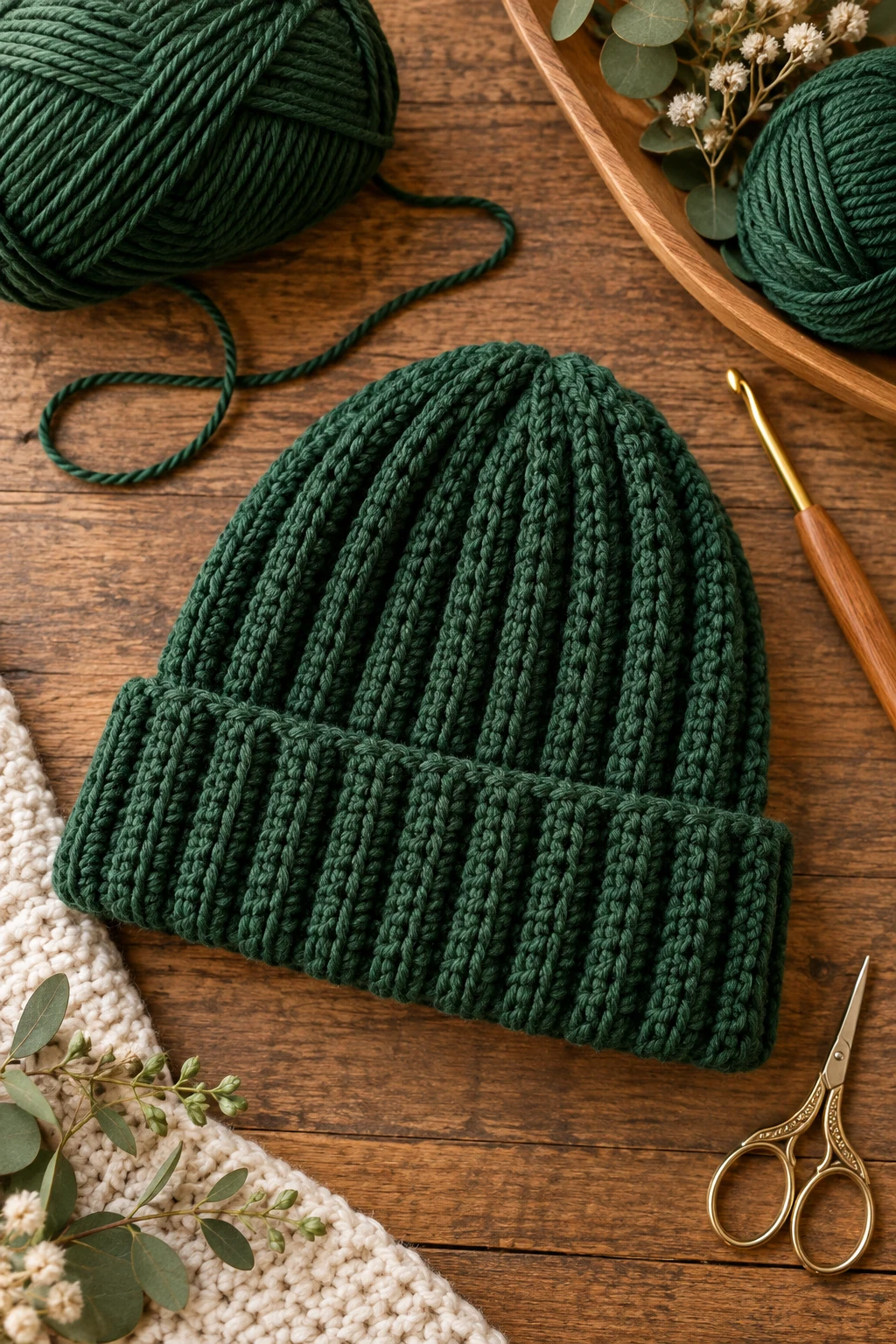
13. Forest Green Ribbed Beanie
A forest green ribbed beanie is quick enough for a weekend project and useful enough to become part of your winter wardrobe. Work a rectangle using back-loop-only single crochet, then seam the short edges and gather the crown.
Choose forest green yarn for a classic cold-weather accessory, or switch to burgundy, burnt orange, or dusty pink for a stronger seasonal statement. Add a folded brim for extra warmth and structure.
Measure the intended wearer’s head before determining the finished circumference. Crochet stretches, so the beanie generally needs some negative ease to stay comfortably in place.
The key to this look/technique is using consistent ribbing and accurate measurements so the finished hat hugs the head without becoming uncomfortably tight.
14. Mosaic Crochet Wall Hanging
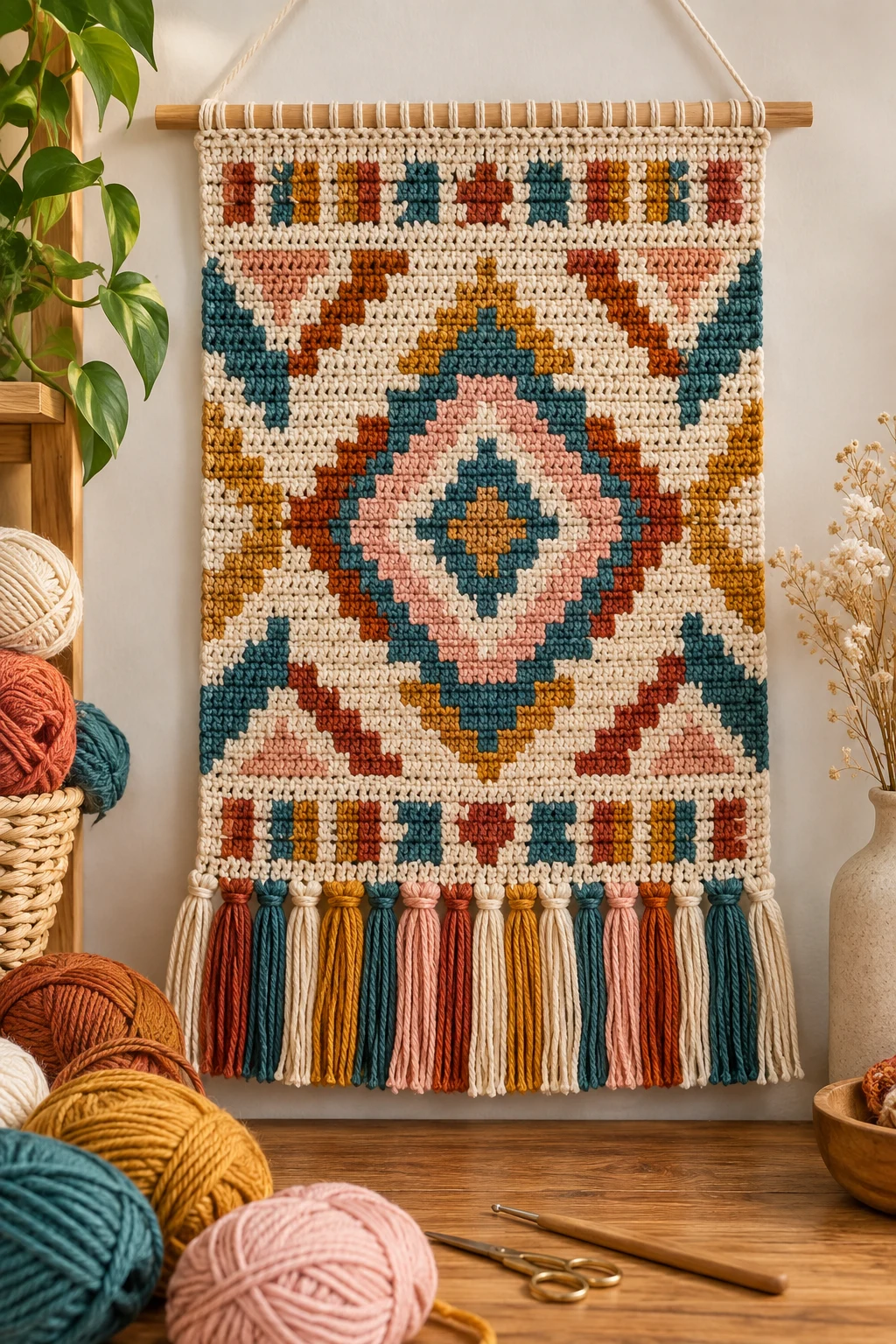
Mosaic crochet is an excellent way to turn yarn into graphic wall art. Choose a repeating diamond, arrow, or stepped motif and combine terracotta, cream, black, and dusty rose for a contemporary color scheme.
Work the design as a rectangular panel, then attach it to a natural wooden dowel for display. The finished piece can decorate a bedroom, craft room, nursery, or reading corner without taking up much physical space.
Keep stitch markers, graph paper, and a row counter nearby. Mosaic designs often look more complicated than they actually are, but losing track of one row can shift an entire motif and create an unwanted abstract-art moment.
The key to this look/technique is counting every row carefully so the geometric repeat stays aligned from top to bottom.
15. Design Your Own Crochet Pattern
Creating your own pattern is the natural next step when you have mastered several existing crochet design patterns. Start small with a coaster, scarf, pouch, hat, or simple rectangular bag rather than attempting a complicated fitted garment immediately.
Record your yarn weight, hook size, gauge, measurements, stitch counts, row numbers, and finishing details as you work. Photograph each stage and write down changes immediately. Those notes become invaluable when you return to the project weeks later.
If you’re learning how to make your own pattern crochet projects, think like a designer rather than simply a crocheter. Decide what the finished object should look like, calculate the measurements, choose stitches that support the structure, make a prototype, and revise the instructions after testing.
Graph paper or crochet design pattern software can help you map out colorwork and stitch repeats before you begin. The more detailed your notes, the easier it becomes to recreate the design or eventually share it with other crocheters.
The key to this look/technique is documenting what you actually crocheted, because accurate notes turn a creative experiment into a repeatable pattern.
FAQ
What is a crochet design pattern?
A crochet design pattern is a written or visual blueprint that explains how to create a specific crochet project, including its stitches, measurements, materials, shaping, color changes, and finishing instructions.
How do you make your own crochet design pattern?
Start with a simple project, establish the measurements and gauge, select suitable stitches, record every row, and create a prototype. Test the finished piece, correct the instructions, and organize your notes into a clear repeatable pattern.
Why use a crochet design pattern?
A pattern provides structure and consistency while still allowing you to customize colors, dimensions, stitches, and finishing details. It also makes successful projects easier to recreate, modify, or share.
📚 You Might Also Like
- 15 Crochet Sweater Design Ideas for Every Skill Level
Crochet sweater design refers to the combination of stitch patterns, yarn choices, construction meth…
- Crochet cardigan pattern free: 15 Easy DIY Ideas
15 Crochet Cardigan Pattern Free Ideas for Handmade Style A crochet cardigan pattern free is a no-co…
- Crochet japanese knot bag pattern free: 15 Stunning
15 Crochet Japanese Knot Bag Pattern Free Ideas A crochet japanese knot bag pattern free is a beginn…
- Crochet Clothes Patterns: 7 Easy DIY Ideas for 2026
Crochet clothes patterns are fully customizable DIY blueprints and stitch diagrams that transform ba…
- Mode crochet: 15 Top DIY Ideas for 2026
ChatGPT said: 15 Mode Crochet Ideas to Try in 2026 Mode crochet is a fashion-forward crochet style t…
The Bottom Line
The best crochet design pattern gives you a clear structure without taking away the fun of experimenting. Start with a granny square tote, floral bucket hat, ribbed beanie, or geometric cushion if you want a manageable project, then work toward cardigans, sweaters, jackets, and original designs. Seasonal colors such as cobalt blue, rust, forest green, lavender, and terracotta can make familiar crochet techniques feel fresh. Keep your gauge notes, save useful patterns, photograph your prototypes, and don’t panic when the first attempt needs tweaking. In crochet, a slightly wonky prototype isn’t failure—it is basically your design department asking for another sample.
Add actionable materials and skill levels
Replace vague pattern recommendations