
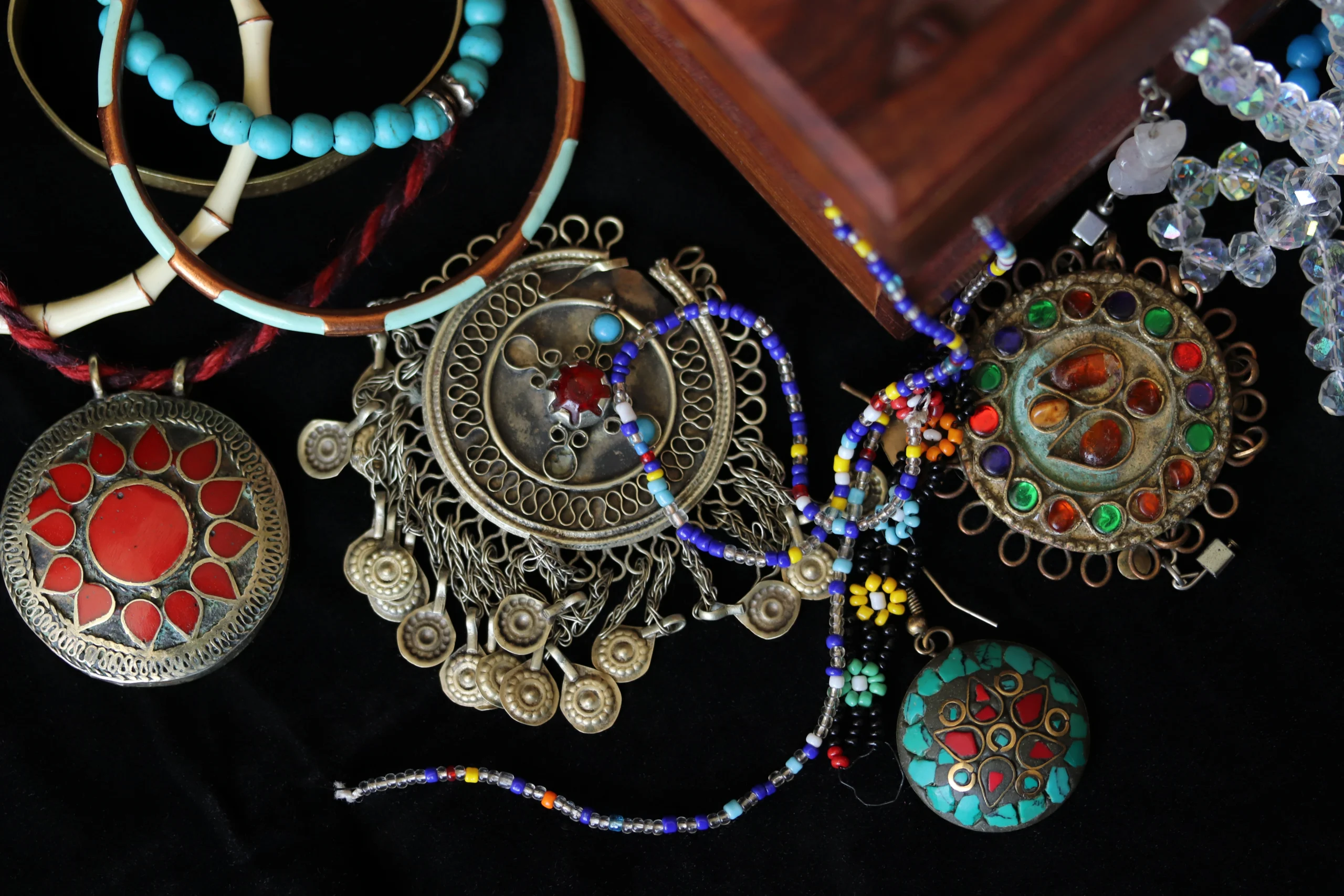
Welcome to the vibrant world of Southwestern artistry. Whether you’re a seasoned collector or just starting, finding authentic pieces is rewarding. Genuine craftsmanship tells a unique story that mass-produced items can’t match.
Many enthusiasts wonder, how can you tell if Navajo jewelry is real? With many imitations out there, learning to spot the difference is key. We’re here to guide you through these complexities with confidence.

This guide is your starting point for identifying quality work. By learning about traditional smithing, you’ll appreciate true heritage pieces. Let’s dive into the details that make authentic Southwestern treasures stand out.
Key Takeaways
- Authentic pieces reflect deep cultural heritage and traditional techniques.
- Mass-produced imitations often lack the weight and detail of handmade items.
- Hallmarks and artist signatures serve as primary indicators of origin.
- Material quality, such as genuine turquoise, is a vital authentication factor.
- Buying from reputable dealers ensures you receive legitimate, handcrafted art.
Understanding the Significance of Navajo Silversmithing
To truly appreciate authentic pieces, one must first understand the rich history of Navajo silversmithing. This craft started in the mid-19th century with Atsidi Sani, who learned metalwork. His early efforts set the stage for a tradition that would become a cornerstone of American art.

The Cultural Heritage of Navajo Jewelry
Every piece of jewelry made by Navajo artisans connects us to their ancestral land and history. The designs reflect the Southwest’s natural beauty and hold spiritual meaning. Over time, this art has evolved but remains rooted in patience and precision.
Collectors see these items as more than decorations. They are a living legacy that celebrates the Navajo nation’s resilience and creativity. By wearing these pieces, you join a tradition of storytelling through metal and stone.
Distinguishing Navajo Style from Other Southwestern Traditions
It’s important to know how Navajo silversmithing is different from other styles. While many group all items together, Navajo work stands out. It’s known for its bold, heavy silver construction and detailed hand-stamped patterns.
Other Southwestern jewelry traditions have their own techniques, like delicate stone inlay or overlay. Knowing these differences helps you appreciate the unique craftsmanship in each piece.
| Feature | Navajo Style | Zuni Style | Hopi Style |
|---|---|---|---|
| Primary Focus | Heavy Silver & Stamping | Intricate Stone Inlay | Silver Overlay |
| Design Aesthetic | Bold & Rugged | Detailed & Precise | Geometric & Cut-out |
| Common Material | Sterling Silver | Small Cut Stones | Oxidized Silver |
How can you tell if Navajo jewelry is real through hallmark inspection
If you’re wondering how can you tell if Navajo jewelry is real, start with the hallmark. These small marks are like a signature for the silversmith. They connect the jewelry to the artist’s identity and heritage. Learning to read these marks helps you spot real pieces from fake ones.

The Role of Artist Hallmarks and Signatures
Many early Navajo silversmiths didn’t sign their work. But as the demand for Southwestern jewelry grew, artist hallmarks became more common. These signatures have changed a lot over the years.
At first, marks were simple initials or shapes. Later, they became complex symbols. These symbols can show a family, clan, or artistic style. Knowing this evolution is key for authenticating jewelry.
Common Symbols and Their Meanings
Navajo silversmiths use symbols that reflect their culture or personal history. You might see marks like arrows, mountains, or animal figures. These symbols are more than just decorations; they hold deep meaning in the artist’s community.
When you see a unique symbol, research the family or clan it belongs to. Many databases can help you verify the maker. Verifying the maker through these records ensures your piece is genuine Navajo craftsmanship.
Identifying Fake or Misleading Stamps
Not every silver stamp is real. Modern fakes often look like traditional marks to trick buyers. These fake items usually lack the subtle imperfections of hand-stamped work.
To spot a fake, examine the hallmark’s clarity and depth. Real hand-stamped marks have slight variations. If a stamp looks too uniform or seems laser-etched, it’s likely a machine-made fake.
Evaluating the Quality of Sterling Silver
When you look at Navajo jewelry, the metal tells a story. Real Navajo pieces use top-notch sterling silver. This metal makes the jewelry strong and pretty. Knowing how to spot these materials helps you avoid fake stuff.

Testing for Silver Content
The best way to check silver content is to look for a hallmark. It’s usually marked as “.925” or “Sterling.” But, older, handmade pieces might not have these stamps.
At home, you can do a magnet test. Real silver doesn’t stick to magnets. If it does, it’s probably made of base metal or steel. This simple test can help you know if your jewelry is real.
Recognizing Natural Patina and Oxidation
A beautiful jewelry patina comes from years of wear. It makes the silver look dark and rich. This shows off the artist’s hand-stamped patterns and textures.
But, fake pieces might look like they have patina too. They use chemicals to look old. Real pieces have a depth and character that only time and skill can give.
Weight and Feel as Indicators of Authenticity
Genuine sterling silver feels heavy and solid. Cheap metals like nickel or copper alloys feel light or hollow.
When you hold a piece, notice how it feels. Experienced collectors use this to tell real from fake. They look for the weight and feel of quality craftsmanship.
| Feature | Authentic Sterling Silver | Base Metal Imitation |
|---|---|---|
| Magnet Test | Non-magnetic | Often magnetic |
| Surface Finish | Natural, deep patina | Chemical, uniform aging |
| Weight | Solid and substantial | Light or hollow feel |
| Markings | Often .925 or Sterling | Usually unmarked or fake |
Analyzing Turquoise and Gemstone Authenticity
Turquoise is the vibrant heart of Navajo jewelry, but it’s often imitated. To know if Navajo jewelry is real, you need to look closely and understand minerals. By checking the stone’s physical features, you can avoid fakes and truly appreciate the Southwest’s art.

Natural Versus Stabilized and Treated Stones
Many ask about the difference between raw and treated stones. Natural turquoise is rare and highly valued for its hardness and color. But, most high-quality jewelry today uses stabilized turquoise.
Stabilization means adding a clear resin to porous stones to make them last longer and look better. While common in the industry, it’s key to know the difference from “reconstituted” or “block” turquoise. These are made from crushed dust glued together. Knowing how to identify gemstones helps you make informed purchases.
Identifying Plastic or Dyed Imitations
The market has many fake materials that look like authentic turquoise. These include dyed howlite, magnesite, and plastics or resins. They often feel too light or warm compared to real stone.
Spotting a fake is easier if you look for uniform colors or “perfect” veins. If the color seems too bright or neon, it’s likely dyed. Always trust your instincts if something seems too perfect.
The Importance of Matrix Patterns in Authentic Turquoise
The matrix is the host rock or veins in turquoise. In real stones, these patterns are unique and irregular. A consistent, repetitive pattern across multiple stones is a sign of mass production.
| Stone Type | Texture | Matrix Appearance | Durability |
|---|---|---|---|
| Natural | Hard, cool | Unique, irregular | High |
| Stabilized | Smooth, dense | Natural but enhanced | Very High |
| Imitation | Waxy, warm | Uniform, repetitive | Low |
Examining Craftsmanship and Construction Techniques
The beauty of Navajo craftsmanship comes from the small imperfections made by hand. When you look at a piece, you see the artist’s unique touch, not a machine’s precision. These tiny differences make each item special and unique.

Hand-Stamped Designs Versus Machine Stamping
Real hand-stamped jewelry shows patterns made one strike at a time. The artist’s hand makes each mark slightly different. This creates a unique, organic look that machines can’t match.
Machine-stamped items, on the other hand, seem too perfect. If every mark is the same, it’s probably made in bulk. Look for slight irregularities to spot a piece made by hand.
The Look and Feel of Hand-Soldered Components
Traditional silversmithing techniques join silver pieces together by hand. Check the back for signs of hand-soldering. You’ll see small, smooth solder mounds where the metal meets.
Bezel settings should feel strong and well-made. A real piece will show burnished silver around the stone. If the bezel looks glued or cast with the stone, it’s likely fake.
Detecting Mass-Produced Casting Marks
Items made in bulk often have mold marks. Look for bubbles, rough edges, or seams. Real pieces are made from sheet silver or wire, feeling solid and clean.
| Feature | Handcrafted | Mass-Produced |
|---|---|---|
| Stamp Marks | Varied and unique | Perfectly uniform |
| Solder Joints | Visible, smooth joins | Hidden or non-existent |
| Surface Finish | Hand-polished | Shiny, factory-plated |
| Weight | Substantial and solid | Light or hollow |
The Importance of Sourcing from Reputable Dealers
Figuring out how can you tell if Navajo jewelry is real starts with picking the right seller. The place where you buy matters as much as the craftsmanship. When buying Native American jewelry, you want to support real traditions.

Red Flags When Shopping Online
The internet has many beautiful items, but beware of traps. Be cautious if a website doesn’t show contact info or a physical store. Always be wary of sites with generic descriptions instead of artist names.
- Prices that seem too low for genuine sterling silver.
- No provenance or history for the item.
- Stock photos that don’t match the actual piece.
- Vague return policies that make verification hard.
Questions to Ask Before Making a Purchase
Before buying, reach out to the seller. Asking the right questions helps you learn how can you tell if Navajo jewelry is real. A professional seller will answer your questions clearly and honestly.
Ask these questions to feel sure about your purchase:
- Can you tell me the artist’s name?
- Where did you get the turquoise or other gemstones?
- Is there a certificate of authenticity or history for this item?
- How long have you been working with Navajo silversmiths?
Building Relationships with Trusted Traders
Finding reputable jewelry dealers ensures your collection’s quality. Working with a trusted trader means you get a partner who knows your taste. These relationships often lead to rare, high-quality pieces.
Building trust takes time, but it’s worth it. When you find a reliable source, you’ll grow your collection with confidence. Knowing your pieces come from a respected source makes you feel secure.
Understanding Pricing and Market Value
Investing in authentic pieces means more than just the materials. Each item shows hours of hard work, deep cultural knowledge, and top-notch materials. Knowing about jewelry pricing helps you see the effort put into these pieces.
Why Authentic Navajo Jewelry Commands a Premium
Authentic jewelry isn’t cheap because it’s not made in bulk. A skilled silversmith spends a lot of time finding real turquoise and shaping silver by hand. This ensures each piece is special and lasts for many years.
True value comes from the artist’s skill in mixing old techniques with their own style. Buying handmade supports keeping a rich cultural heritage alive. This shows the real market value of the work and artistry.
Spotting Prices That Are Too Good to Be True
If a piece seems too cheap, it’s probably fake. These fakes use fake stones or look-alike metals. Be careful of sellers who claim their items are real but charge too little.
- Check for consistent, machine-made patterns.
- Look for signs of glue instead of traditional stone settings.
- Compare prices across multiple reputable dealers to establish a baseline.
The Impact of Artist Reputation on Cost
An artist reputation greatly affects a piece’s value. Pieces by famous silversmiths can increase in value over time. Collectors look for certain hallmarks to show quality and history.
| Factor | Authentic Piece | Mass-Produced Item |
|---|---|---|
| Materials | Sterling Silver/Natural Stone | Base Metal/Plastic |
| Labor | Hand-crafted | Factory Cast |
| Market value | Stable or Increasing | Low/Depreciating |
Researching an artist reputation helps you make smart choices. Focus on quality and history to build a valuable collection. Knowing about jewelry pricing helps avoid bad buys.
Common Materials Used in Authentic Pieces
Learning how can you tell if Navajo jewelry is real means looking beyond silver and turquoise. Skilled artisans use many traditional jewelry materials. These add depth and contrast to their work.
These organic elements are more than just decorations. They hold deep cultural and historical meaning. Knowing these materials is key for any collector who wants to truly appreciate Navajo craftsmanship.
Traditional Use of Coral and Shell
Navajo artists often use Mediterranean coral for its vibrant red color. They also use spiny oyster shell, which comes in a wide range of colors. These materials add beauty and contrast to their work.
Jet, a dense coal, is used for its sharp black color. It contrasts well with silver. These materials are shaped by hand, showing the artist’s commitment to authentic, time-honored techniques.
Identifying Genuine Versus Synthetic Inlay
Inlay work is a key feature of Southwestern style. It’s important to tell real stone from fake. Real inlay has stones that fit together with little gaps, held by natural resins.
On the other hand, fake pieces use plastic or dyed resins. These feel light and lack the natural variation of real stone. Look for glue or a too-smooth look to spot a fake.
The Role of Tufa Casting in Traditional Jewelry
Tufa casting is a unique method you’ll see. It involves carving a design into tufa stone, then filling it with molten silver. The stone’s softness creates a unique, textured finish.
This rugged, organic aesthetic is highly valued. It shows a piece is handmade and traditional. Holding a tufa-cast piece, you can feel its texture. This is a sign of its authenticity and value.
Documenting and Verifying Provenance
Every piece of authentic Navajo jewelry has a unique story. By tracking its history, you honor the silversmith who made it. This is more than just checking a purchase; it’s a way to respect the craft.
Having a clear history, or jewelry provenance, keeps your collection valuable. It protects your investment and gives you peace of mind.
The Value of Certificates of Authenticity
Always ask for certificates of authenticity when buying quality jewelry. These documents prove the item’s genuineness and traditional craftsmanship.
A good seller will offer these papers gladly. Keep them safe for insurance or resale later.
Researching Artist Biographies
Reading artist biographies enriches your collection. It turns a simple piece into a work of art. You learn about the artist’s life, training, and style.
Many Navajo artists have unique techniques. Knowing their background helps you appreciate the intricate details in their work.
Keeping Records for Future Appraisal
Keeping your own records is wise for collectors. Store your receipts, photos, and notes on the jewelry provenance in a folder.
This makes appraisals easier and more accurate. Consistent record-keeping preserves your collection’s history for future generations.
Common Pitfalls for New Collectors
Starting your collection journey should be fun, but it’s important to watch out for common mistakes. Many beginners get lost in the vast number of items out there. Knowing how can you tell if navajo jewelry is real is key to building a collection you’ll be proud of for years.
Avoiding Tourist-Trap Souvenirs
At popular spots, you’ll find shops with cheap, mass-made items. These are often sold as real, but they lack the real craftsmanship of true art. Always remember that real pieces are not found in busy souvenir kiosks or airport shops.
Using smart jewelry collecting tips can help you avoid disappointment. If a shop has lots of the same cheap items, it’s probably a tourist trap. Real jewelry is unique, showing the silversmith’s personal touch.
Recognizing Imported Imitations
The market has many fake goods with “Navajo-style” labels to trick buyers. These fakes look like traditional patterns but are made in factories overseas. Avoiding fake jewelry means checking the metal’s finish and weight.
Look for labels that say “made in” a country other than the U.S. Some companies are honest, but others hide the truth. Be skeptical of any piece without a clear artist signature or hallmark.
Learning to Trust Your Instincts
If a deal seems too good, it probably is. Trusting your instincts is a powerful tool when unsure. If the seller can’t answer simple questions, it’s best to leave.
Take your time to research and compare before buying. A good dealer will answer your questions and provide proof. Learning more about your collection helps keep it real.
| Feature | Authentic Navajo Piece | Imported Imitation |
|---|---|---|
| Craftsmanship | Hand-stamped and unique | Uniform, machine-made |
| Materials | Sterling silver and natural stone | Base metal or plastic |
| Hallmarks | Specific artist signature | Generic “Native” or no mark |
| Pricing | Reflects labor and quality | Low, mass-market pricing |
Conclusion
Learning to spot real Navajo jewelry makes collecting it very rewarding. It combines knowing history with the skill to check for authenticity. This way, your collection stays valuable.
Choosing authentic native american art is more than just getting a piece. Each item brings the artist’s spirit and the Southwest’s rich heritage to you. Your effort to check quality helps keep these traditions alive for others in the future.
Always take your time to look at every detail before buying. Building a collection needs patience and a keen eye. The true beauty of craftsmanship will show in every detail, from hand-stamped designs to natural stones.
We hope this guide helps you feel more confident in the market. Enjoy finding unique treasures that show the skill of master silversmiths. Your commitment to authentic native american art keeps this beautiful history alive and growing.
FAQ
How can you tell if Navajo jewelry is real through hallmark inspection?
To check if Navajo jewelry is real, look for an artist’s hallmark. Traditional Navajo silversmiths stamp their work with unique signs. These signs can be initials, names, or clan symbols.Older pieces might not have marks. But, modern jewelry should match what’s in the Indian Arts and Crafts Board (IACB) database. Real hallmarks have small human errors, unlike machine-made ones.
What are the physical signs of genuine sterling silver in Native American pieces?
Genuine Navajo jewelry is made from high-quality .925 sterling silver. Look for a “.925” or “Sterling” stamp. But, also do a magnet test—real silver isn’t magnetic.Real pieces have a certain weight and feel. If a large cuff feels too light, it might be fake. Also, look for a natural patina in the design, which is hard to fake.
How can you tell if the turquoise in Navajo jewelry is real or synthetic?
Real turquoise has a matrix pattern that looks natural. To spot a fake, look for “reconstituted” turquoise, made of plastic and dye.If the color is too even or the price is very low, it’s likely fake. Real stones may be stabilized but should feel real, not like plastic.
What is the difference between hand-stamped and machine-stamped designs?
A: How can you tell if Navajo jewelry is real by looking at the texture? Hand-stamped designs have unique, human-made imperfections. This gives them character.Machines can make designs look perfect but lack the depth and uniqueness of hand-stamped ones. Look for work by masters like Harrison Jim or Perry Shorty for authenticity.
Why is the price of authentic Navajo jewelry so much higher than department store versions?
The price reflects the cultural heritage, hard work, and quality materials. An authentic piece takes hours to make, from tufa casting to stone setting.If you find a “handmade” piece for under $100, it’s likely fake. Reputable dealers like Shiprock Santa Fe or Garland’s Navajo Rugs price items based on the artist’s reputation and the gemstones’ rarity.
What questions should I ask a dealer to ensure I am buying a genuine piece?
Always ask about the provenance of the piece. A good dealer should know the artist’s name, tribe, and where the turquoise came from.Ask for a Certificate of Authenticity and what their return policy is. Building a relationship with established traders who follow the Indian Arts and Crafts Act of 1990 is key.
Are there specific materials beside turquoise that indicate authenticity?
Yes, Navajo artists often use Mediterranean Coral, Spiny Oyster Shell, and Jet. These materials are hand-cut and polished in real jewelry.If the “inlay” looks poured or has bubbles, it’s probably fake. Genuine tufa-cast silver has a unique texture, showing it’s made the traditional way.