
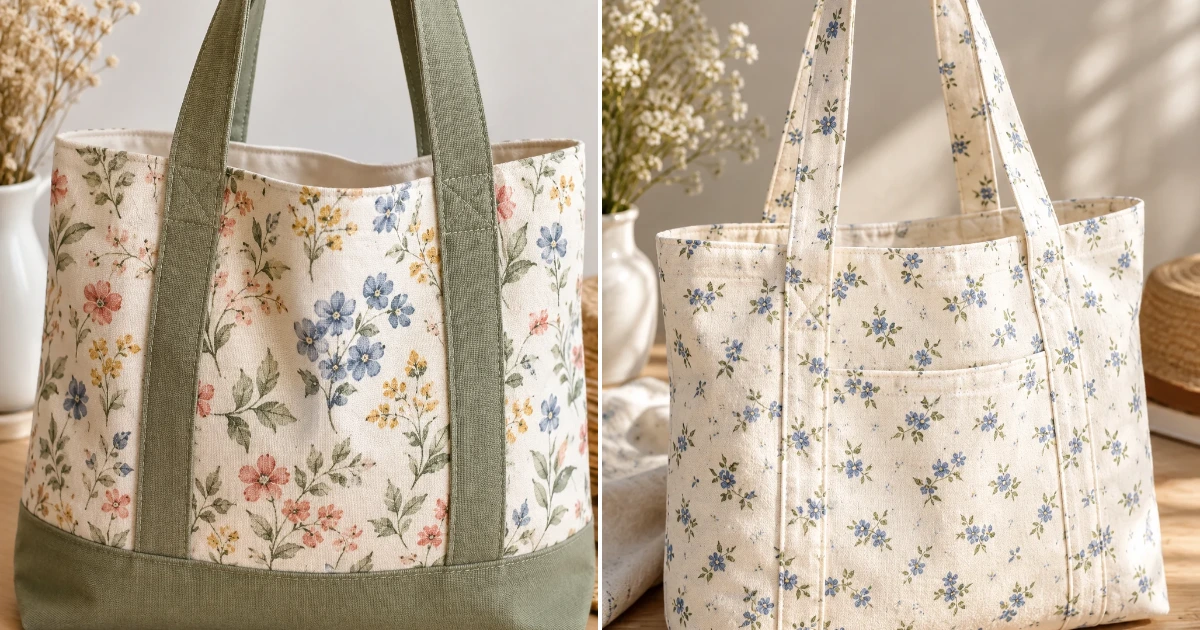
A patron couture facile is a simple sewing pattern that helps beginners create practical, stylish handmade without complicated construction or advanced sewing skills. Whether you want to sew a summer dress, a reusable tote bag, or adorable children’s clothing, choosing the right pattern makes every project enjoyable. You don’t need an expensive sewing machine or years of experience to make something beautiful! With basic supplies, beginner-friendly fabrics, and a few clever techniques, you can transform cotton, linen, and leftover fabric into pieces you’ll actually use. From a free downloadable sewing pattern to an easy garment inspired by French fashion, these 16 ideas offer something for every skill level. Grab your fabric scissors, choose your favorite color, and discover which project deserves a spot on your sewing table.
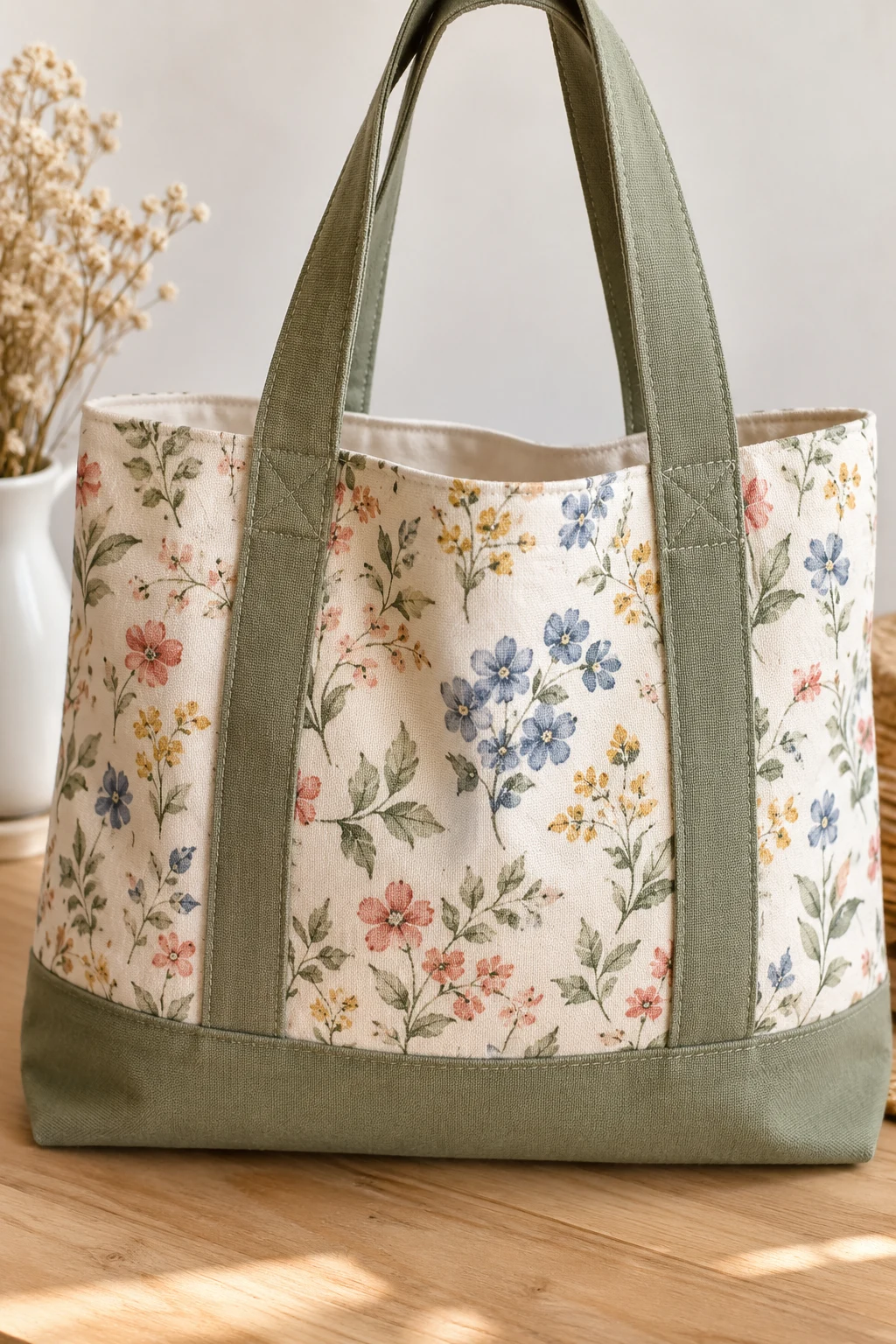
1. The Classic Cotton Tote Bag — patron
A handmade tote bag is one of the most satisfying for anyone searching for a patron couture facile. It requires minimal fabric, straight seams, and very little shaping, making it an excellent first project for beginners. Choose sturdy cotton canvas in natural beige, sage green, or dusty pink for a bag that works for grocery shopping, weekend outings, and everyday errands.
You’ll need cotton canvas, matching thread, fabric scissors, pins, and cotton webbing or fabric strips for the handles. Cut two matching rectangles, sew the side and bottom seams, finish the top edge, and attach the handles securely. For extra structure, add a boxed bottom or lightweight interfacing.
Pro tip: Press every seam with an iron before assembling the bag. This small step gives homemade accessories a noticeably cleaner finish.
The key to this look is sturdy fabric and straight, even stitching that keeps the tote practical and polished.
📺 Video tutorial: The Classic Cotton Tote Bag
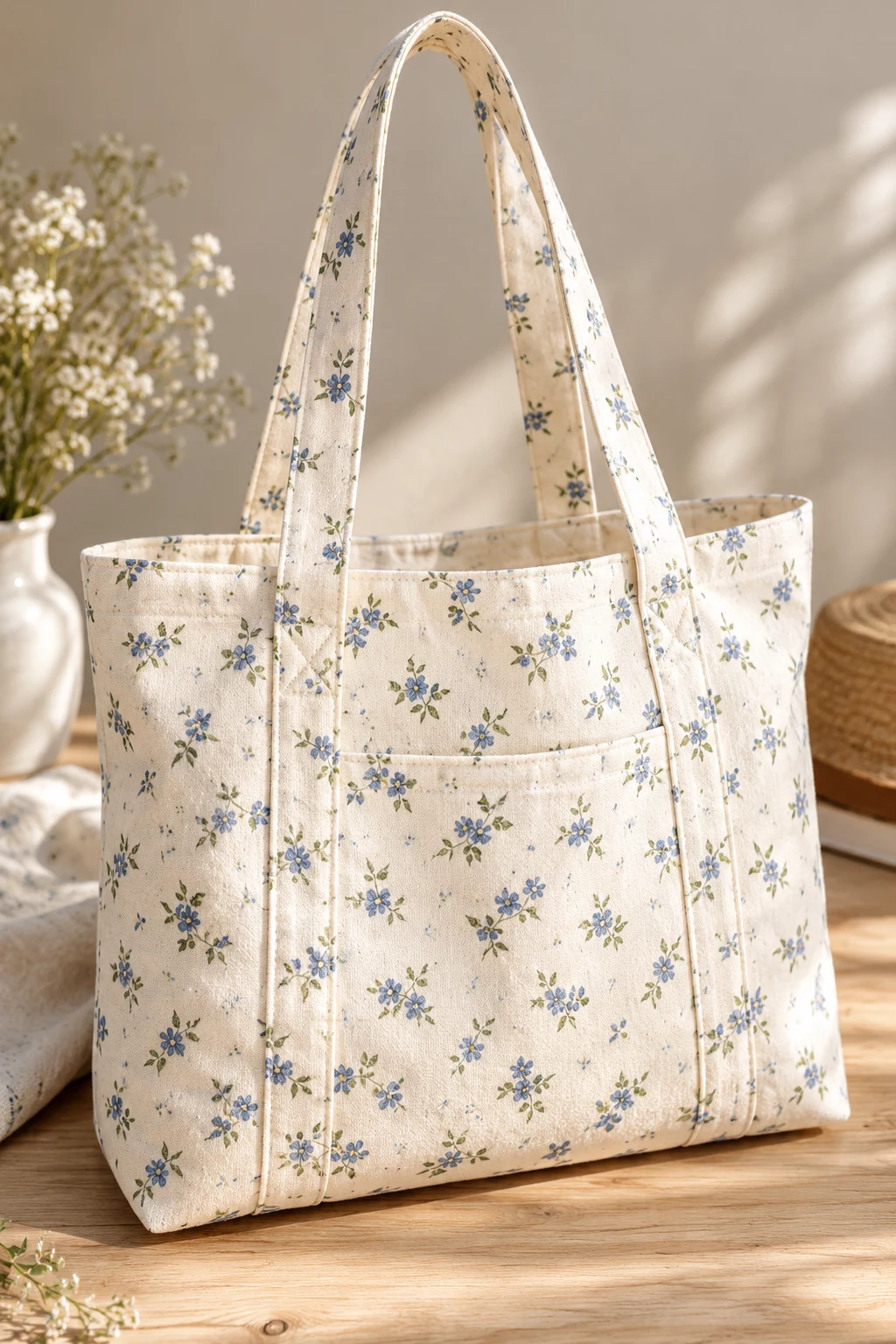
2. The Breezy Summer Skirt — patron
A gathered skirt is a wonderful patron couture facile femme project because it creates movement without requiring complicated darts or a fitted waistband. Picture a soft terracotta midi skirt paired with a white T-shirt and sandals for a relaxed summer outfit.
Start with lightweight cotton, cotton voile, or linen blends, plus elastic for the waistband. Measure your waist and desired skirt length, then cut a wide rectangle or two panels. Gather the upper edge until it matches the waistband, sew the side seam, and finish the hem.
If you’re looking for a patron couture facile gratuit, search for beginner gathered-skirt patterns that include a printable size guide and illustrated instructions. Check whether the seam allowances are included before cutting your fabric.
Pro tip: Wash and dry your fabric before sewing, especially when working with cotton or linen that may shrink.
The key to this look is a comfortable elastic waist and a lightweight fabric that creates beautiful gathers without adding bulk.
📺 Video tutorial: The Breezy Summer Skirt
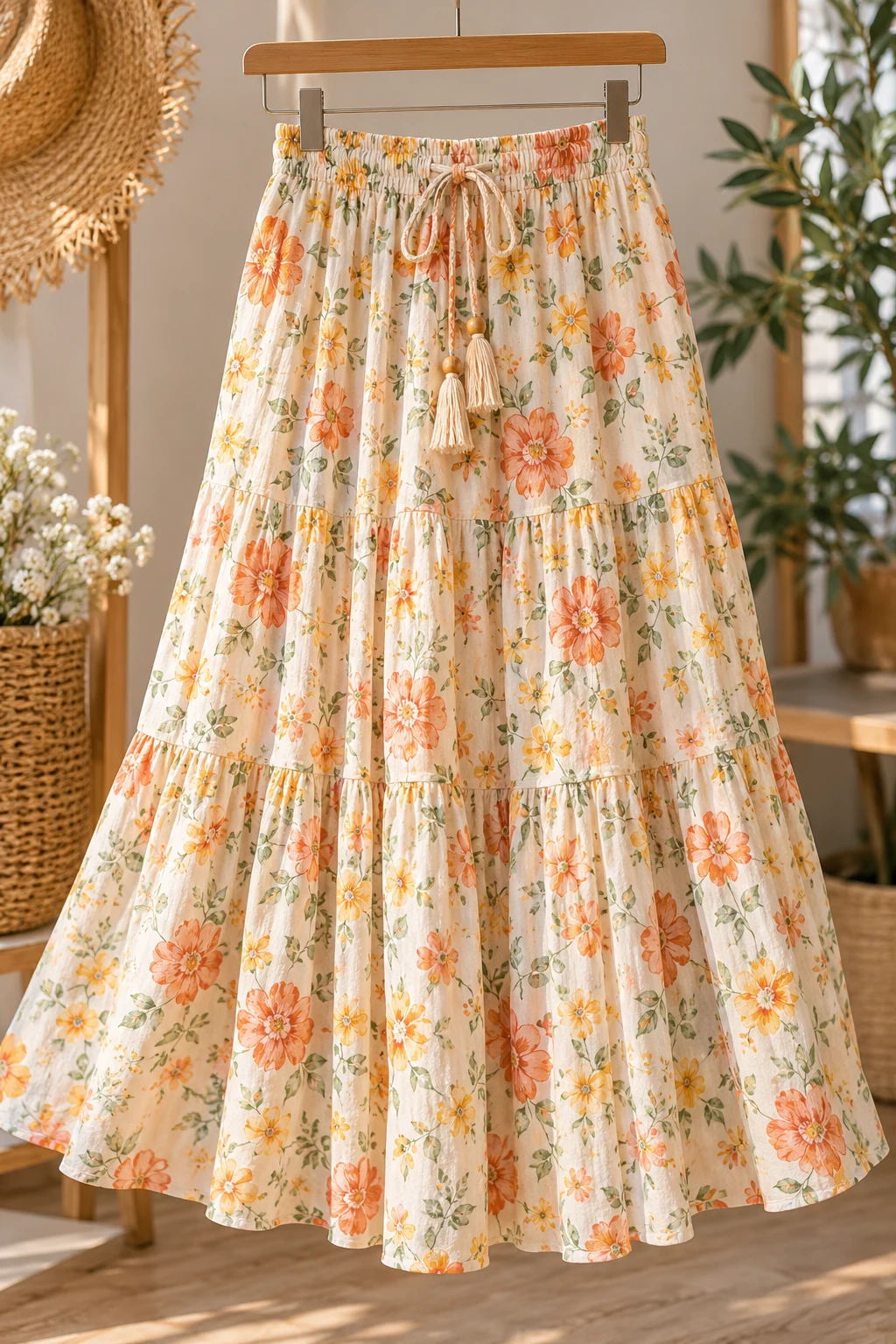
3. The Simple Pillow Cover — patron
Want a quick sewing project that refreshes your home? Make an envelope-style cushion cover using a beginner-friendly pattern. This patron couture facile idea is perfect for decorating a bedroom, sofa, reading corner, or guest room without buying new cushions.
Choose linen, cotton poplin, or textured upholstery fabric in cream, olive green, or mustard yellow. Measure your existing cushion insert, cut the fabric panels with suitable overlap, and sew the edges with straight stitches. The envelope closure eliminates the need for a zipper, which makes the construction much easier.
You can also use leftover fabric from curtains or clothing projects. Add contrast piping later, once you’re comfortable sewing around corners.
Pro tip: Use a seam gauge to maintain consistent seam allowances, especially around the overlapping back panels.
The key to this technique is accurate measuring and a generous envelope overlap that keeps the cushion insert hidden.
📺 Video tutorial: The Simple Pillow Cover
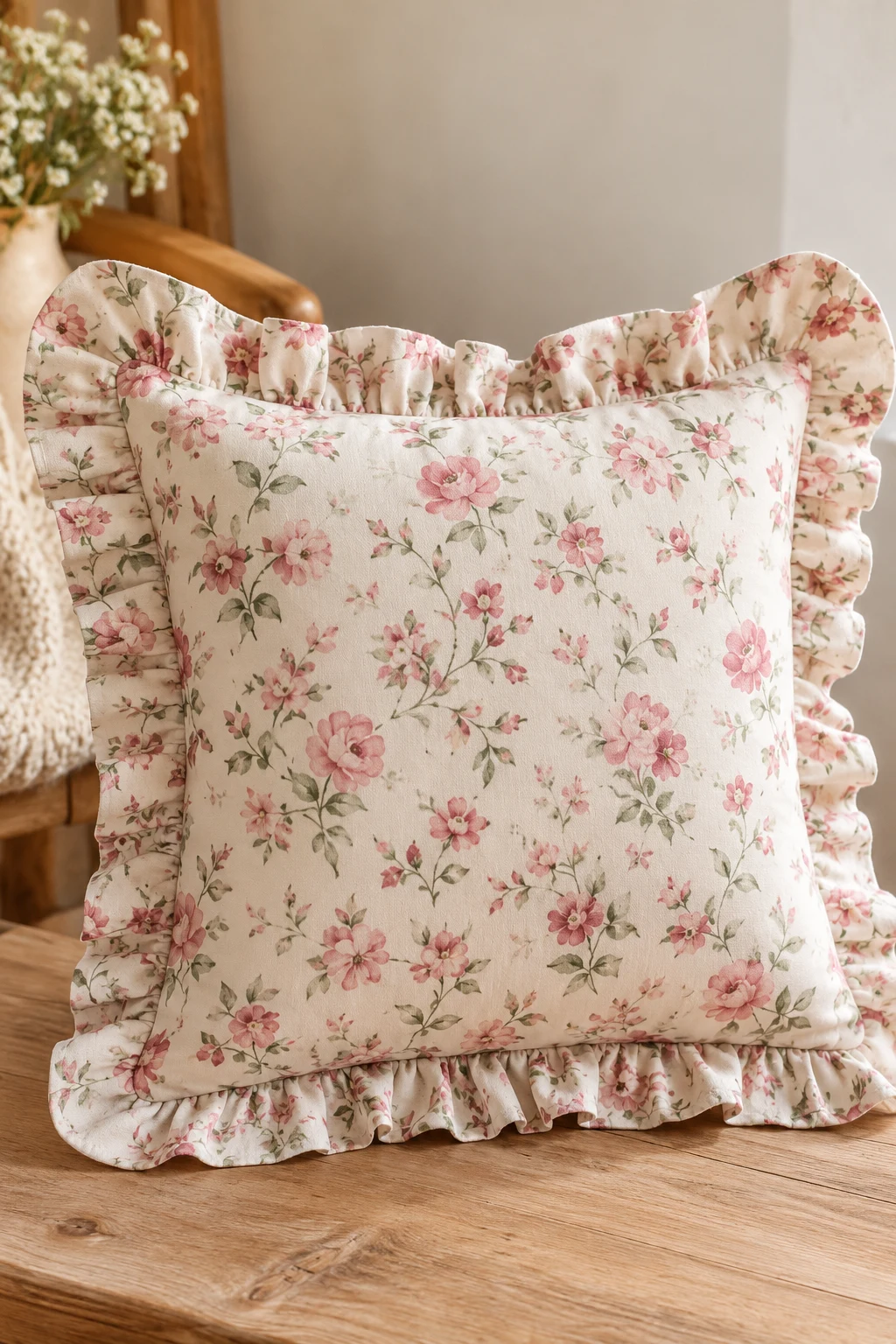
4. The Beginner-Friendly A-Line Dress
An A-line dress is a rewarding step beyond small accessories. For a patron couture facile robe, choose a relaxed silhouette with a simple neckline, minimal shaping, and either sleeveless shoulders or short sleeves.
A beginner pattern should clearly explain how to cut the front and back pieces, finish the neckline, join the shoulder seams, and attach the sides. Use cotton poplin, lightweight linen, or soft viscose in sky blue, butter yellow, or a small floral print.
Patterns from established commercial publishers, including Burda Style, can be useful when you want a structured set of instructions. Choose a design specifically labeled for beginners rather than assuming every pattern is easy.
Pro tip: Make a quick test garment from inexpensive fabric before cutting your favorite material, especially if the dress includes fitted shoulders or a shaped neckline.
The key to this look is a forgiving A-line silhouette and carefully finished neckline edges that make the dress comfortable and wearable.
📺 Video tutorial: The Beginner-Friendly A-Line Dress
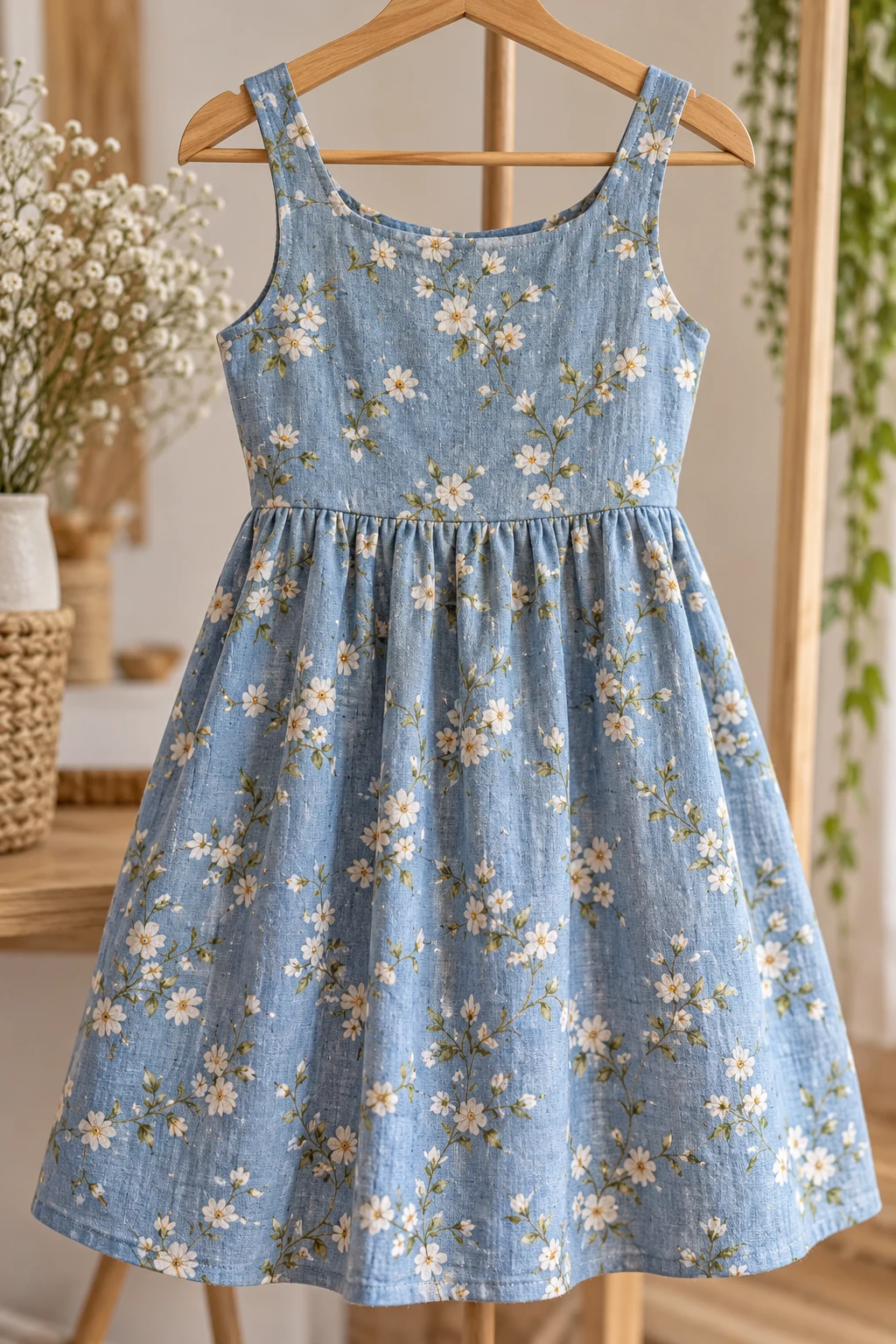
5. The Reusable Fabric Snack Bag
Small drawstring bags are ideal for practicing seams, casings, and narrow hems. This patron couture facile project also creates useful pouches for travel accessories, knitting supplies, toys, or wrapped gifts.
Choose washable cotton fabric, cotton cord, and a safety pin or bodkin for threading the drawstring. Cut two rectangles, sew the side and bottom seams, fold over the top edge to form a casing, and feed the cord through the opening.
For food storage, use materials specifically suitable for food contact and follow appropriate cleaning instructions. Ordinary cotton pouches are better suited to dry accessories or individually wrapped snacks than loose, moist foods.
Pro tip: Leave a small opening in the casing seam so the cord can pass through without catching on the stitching.
The key to this technique is a neat drawstring casing and washable fabric that make small bags both attractive and reusable.
📺 Video tutorial: The Reusable Fabric Snack Bag
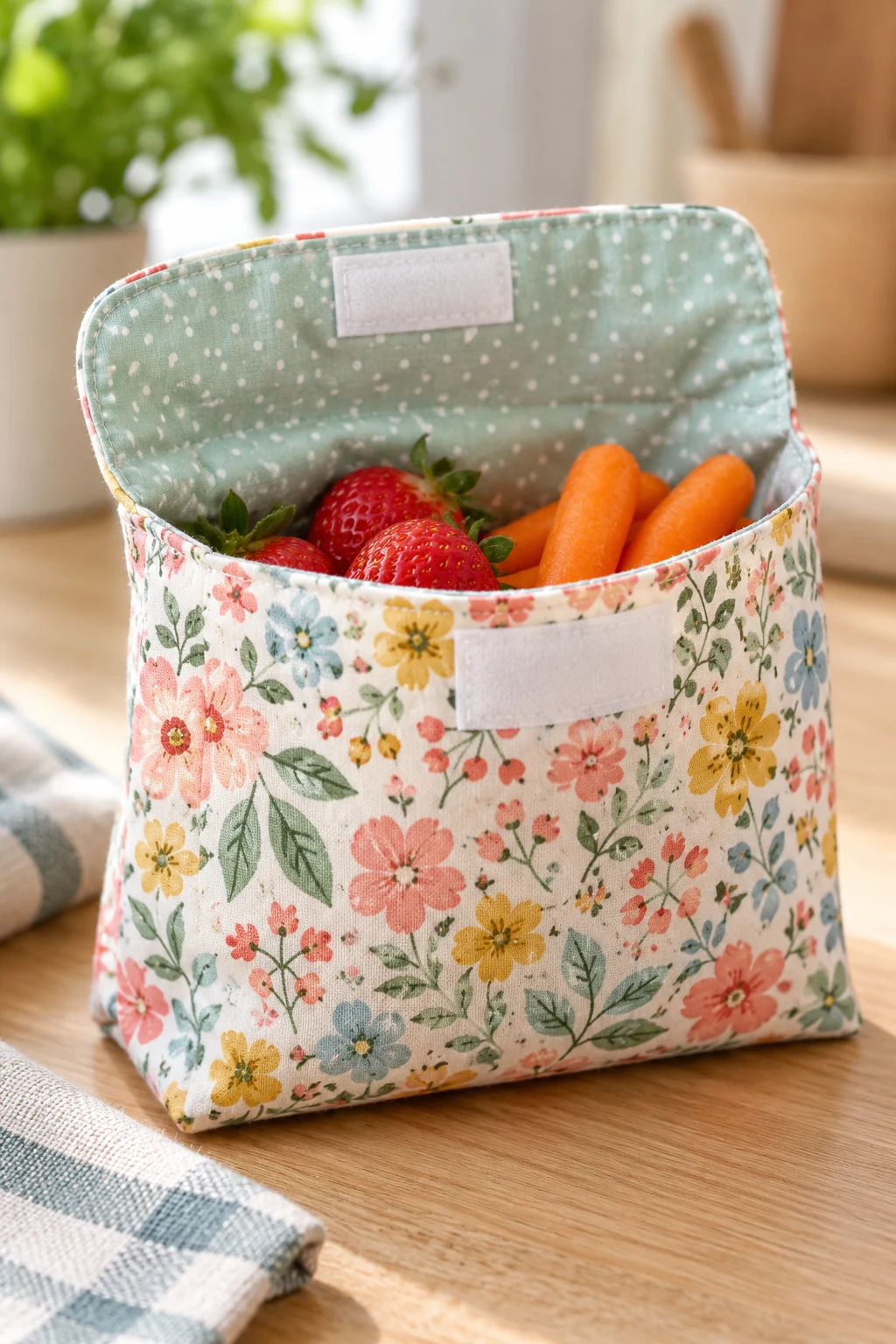
6. The Easy Elastic-Waist Shorts
Elastic-waist shorts are a practical warm-weather project for anyone who wants comfortable handmade clothing. A straightforward patron couture facile pattern usually includes front and back pieces, an elastic casing, and simple hems.
Choose linen-cotton blends, lightweight chambray, or soft cotton lawn in sand, navy, or pale blue. Follow the pattern instructions to sew the crotch seams, join the inner legs, and finish the waistband. Beginners should look for a relaxed fit rather than tailored shorts with fly zippers and multiple pockets.
Check the finished garment measurements before selecting your size. Commercial pattern sizes don’t always match ready-to-wear clothing sizes.
Pro tip: Use a wide elastic band for a comfortable waistband, and secure its ends with several rows of stitching.
The key to this look is lightweight fabric, an accurate crotch seam, and an elastic waistband that allows easy movement.
📺 Video tutorial: The Easy Elastic-Waist Shorts
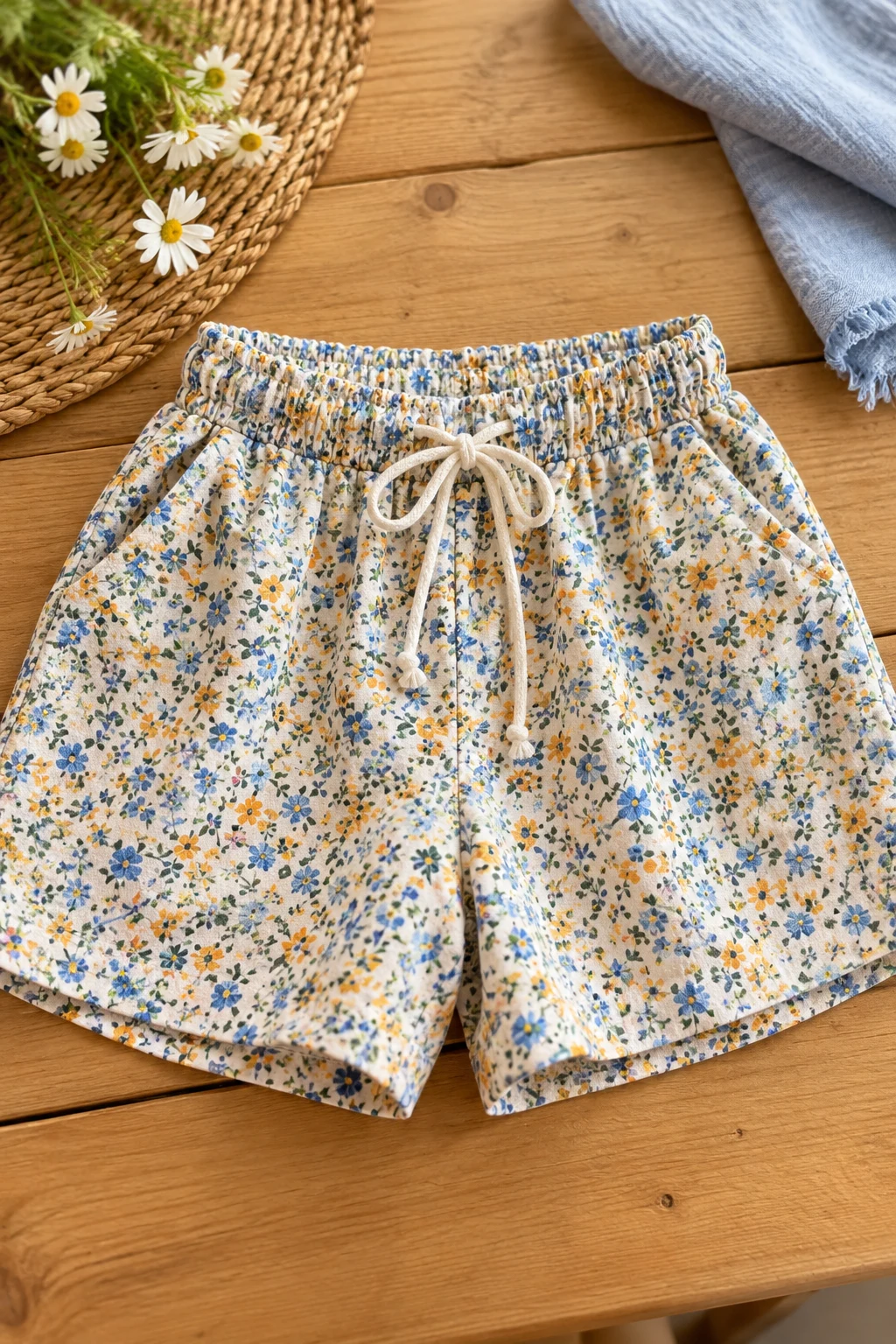
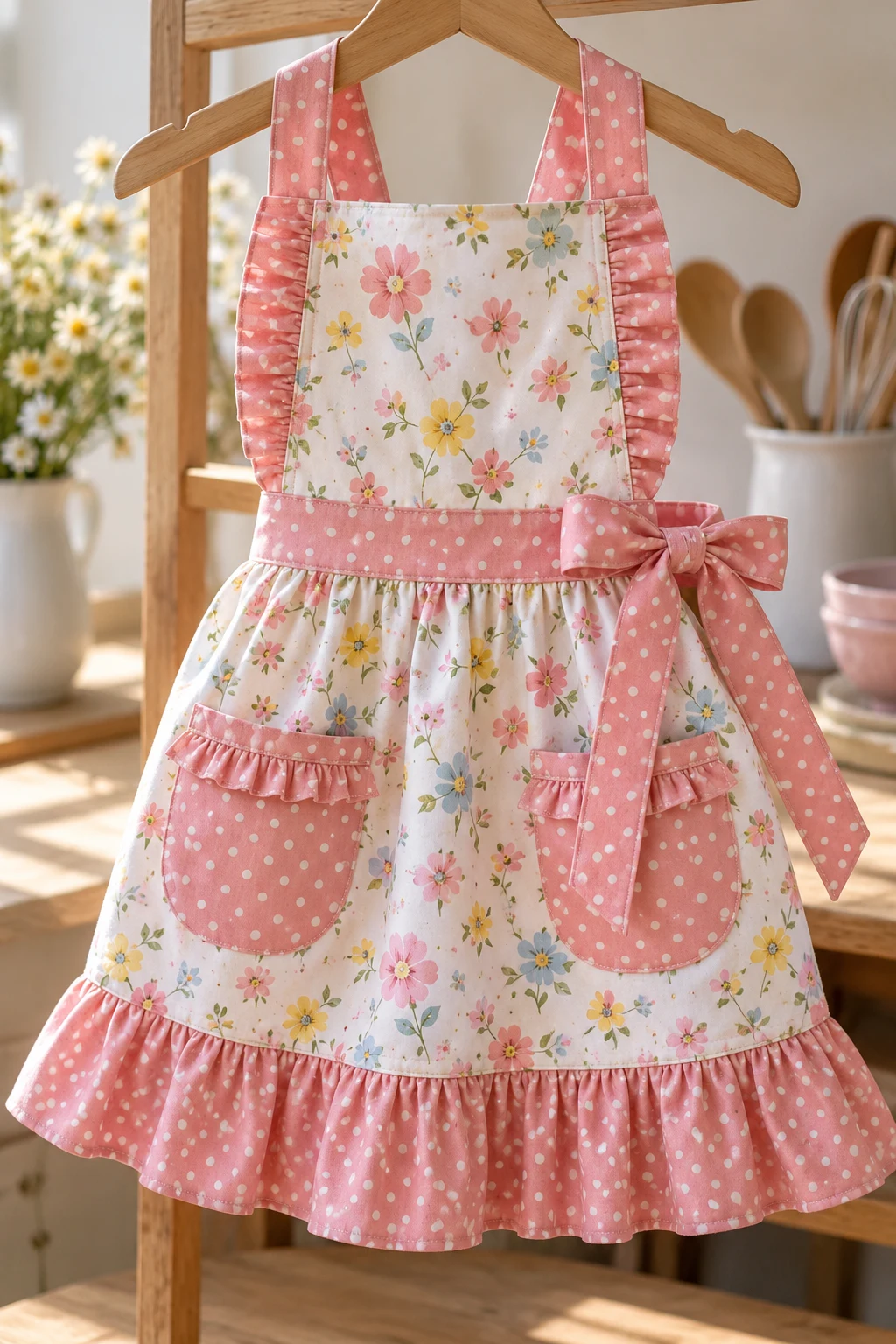
7. The Charming Children’s Apron
A small apron makes a thoughtful handmade gift for a young baker, budding artist, or enthusiastic little gardener. A patron couture facile pour enfant often uses simple shapes, broad straps, and one or two practical pockets.
Choose medium-weight cotton featuring strawberries, tiny flowers, dinosaurs, or cheerful yellow checks. Cut the apron body, finish the edges with bias binding or a folded hem, and attach the neck and waist ties according to the pattern instructions. A large front pocket provides space for paintbrushes or cooking utensils.
Look for a patron facile couture enfant with clear measurements and age or height guidance. Avoid tiny decorative buttons and other detachable embellishments for very young children.
Pro tip: Reinforce the pocket corners with extra stitching because children tend to fill pockets with absolutely everything.
The key to this project is durable cotton, reinforced pocket corners, and adjustable ties that make the apron comfortable and practical.
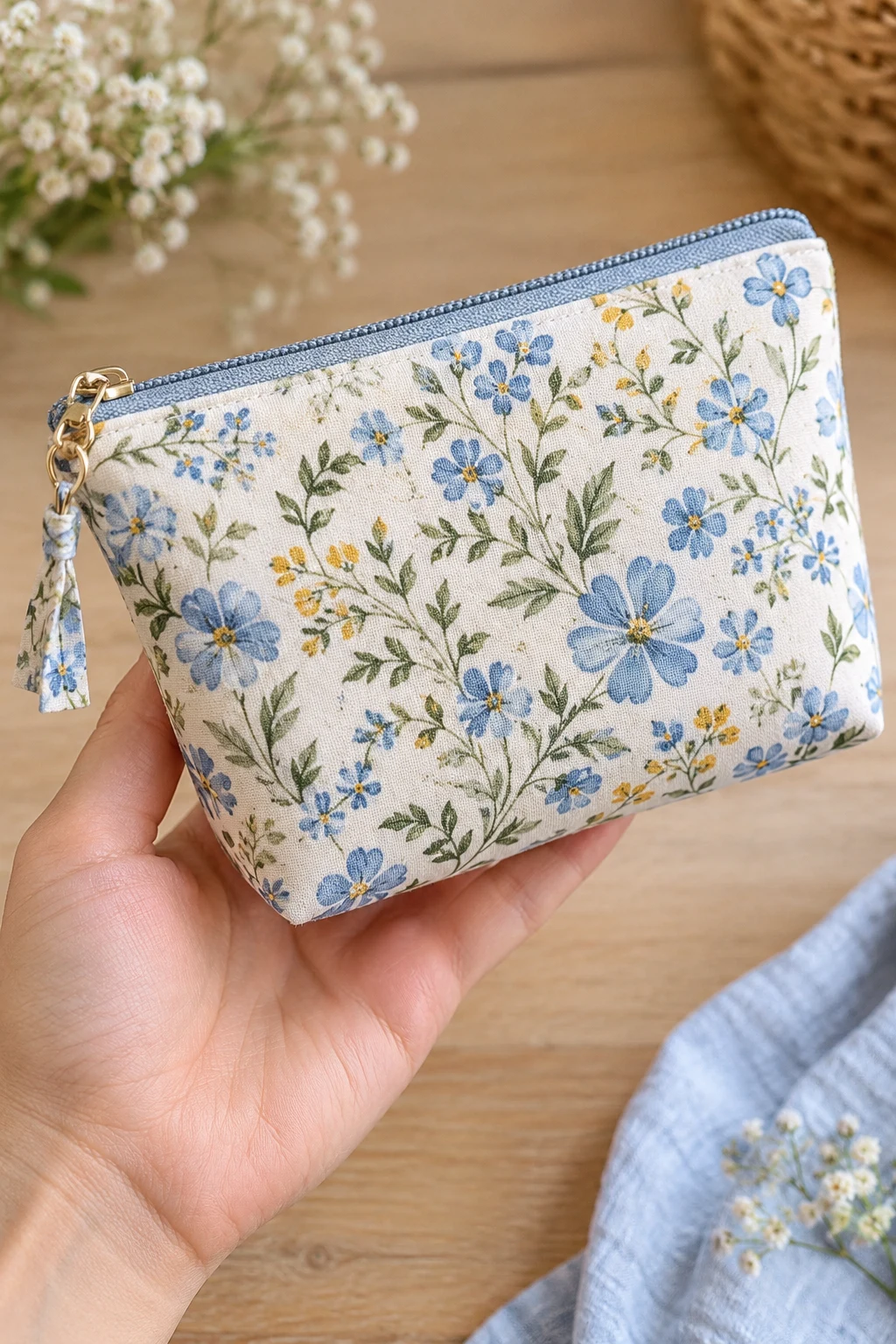
8. The Simple Zipper Pouch
A zipper pouch teaches one of the most useful sewing skills: installing a zipper neatly. It may look intimidating, but a small rectangular pouch is a manageable patron couture facile for beginners ready to learn a new technique.
Gather quilting cotton, a nylon zipper, matching thread, and lightweight interfacing. Cut two outer panels and two lining panels, attach the zipper between the outer fabric and lining, then sew around the pouch with the zipper partially open. Turn the finished pouch right side out through the zipper opening.
Use floral fabric for a makeup bag, geometric prints for stationery, or dark denim for a compact travel organizer.
Pro tip: A zipper foot helps you stitch close to the zipper teeth without catching the fabric.
The key to this technique is careful zipper alignment and lightweight interfacing that gives the finished pouch a clean, structured shape.
📺 Video tutorial: The Simple Zipper Pouch
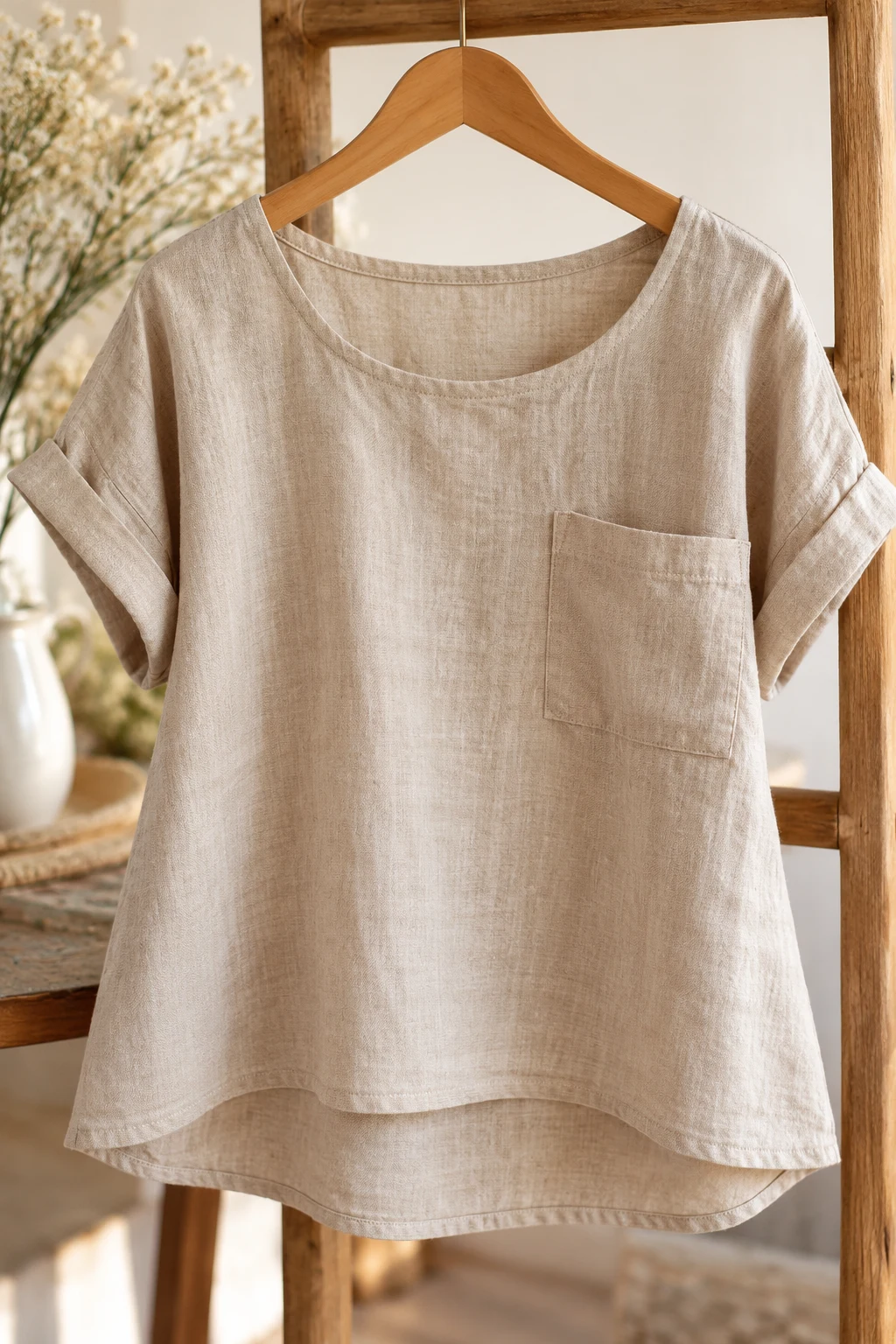
9. The Relaxed Linen Top
A relaxed blouse makes an excellent everyday wardrobe staple. Choose a patron couture facile femme featuring a loose fit, dropped shoulders, and a simple neckline rather than complicated collars or fitted sleeves.
For a fresh spring or summer top, use washed linen, cotton lawn, or lightweight chambray in ivory, dusty rose, or pale sage. Follow the pattern’s cutting layout, sew the shoulder and side seams, and finish the neckline and sleeve openings. French seams can create a professional-looking interior when working with lightweight woven fabrics.
Pro tip: Practice neckline finishing on a scrap first. Curved edges behave differently from straight seams, and a little preparation prevents puckering.
The key to this look is a relaxed silhouette and neatly finished neckline that make the top easy to pair with jeans, skirts, or shorts.
📺 Video tutorial: The Relaxed Linen Top
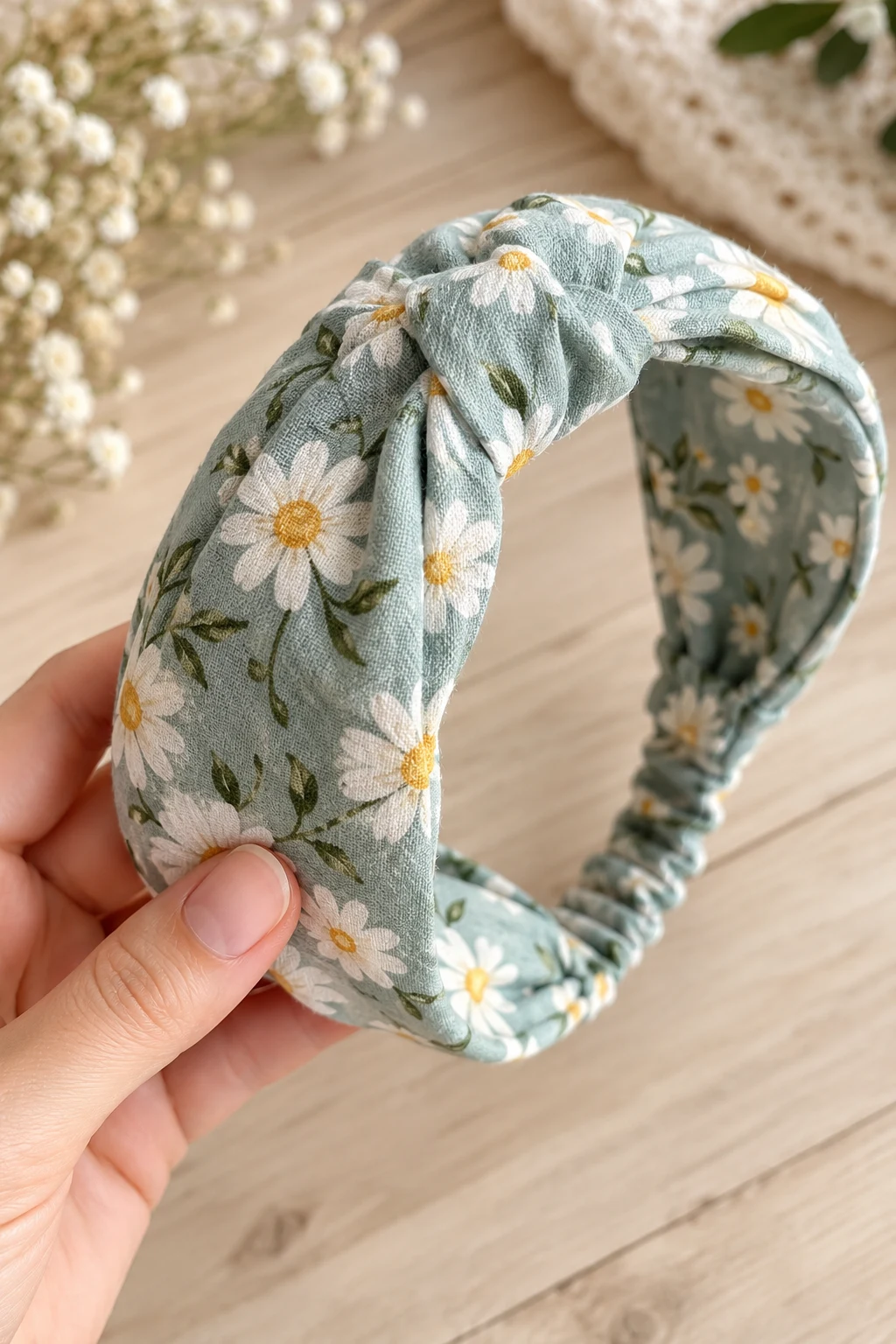
10. The Fabric Headband
A fabric headband is a quick project that uses small fabric remnants and introduces beginners to sewing narrow tubes. It is an excellent patron couture facile when you want a finished result without spending an entire afternoon at your machine.
Use cotton poplin, lightweight jersey, or leftover floral fabric, depending on whether you prefer a structured or stretchy headband. Cut the required strips, sew them into tubes, turn them right side out, and assemble them according to your chosen design. A twist-front style adds visual interest without complicated embroidery.
For jersey, use a stretch-compatible stitch so the seams can move with the fabric.
Pro tip: Test the circumference before permanently joining the ends. A headband that looks lovely but slips off every three minutes isn’t particularly useful.
The key to this technique is choosing fabric with the right amount of stretch and checking the fit before finishing the ends.
📺 Video tutorial: The Fabric Headband
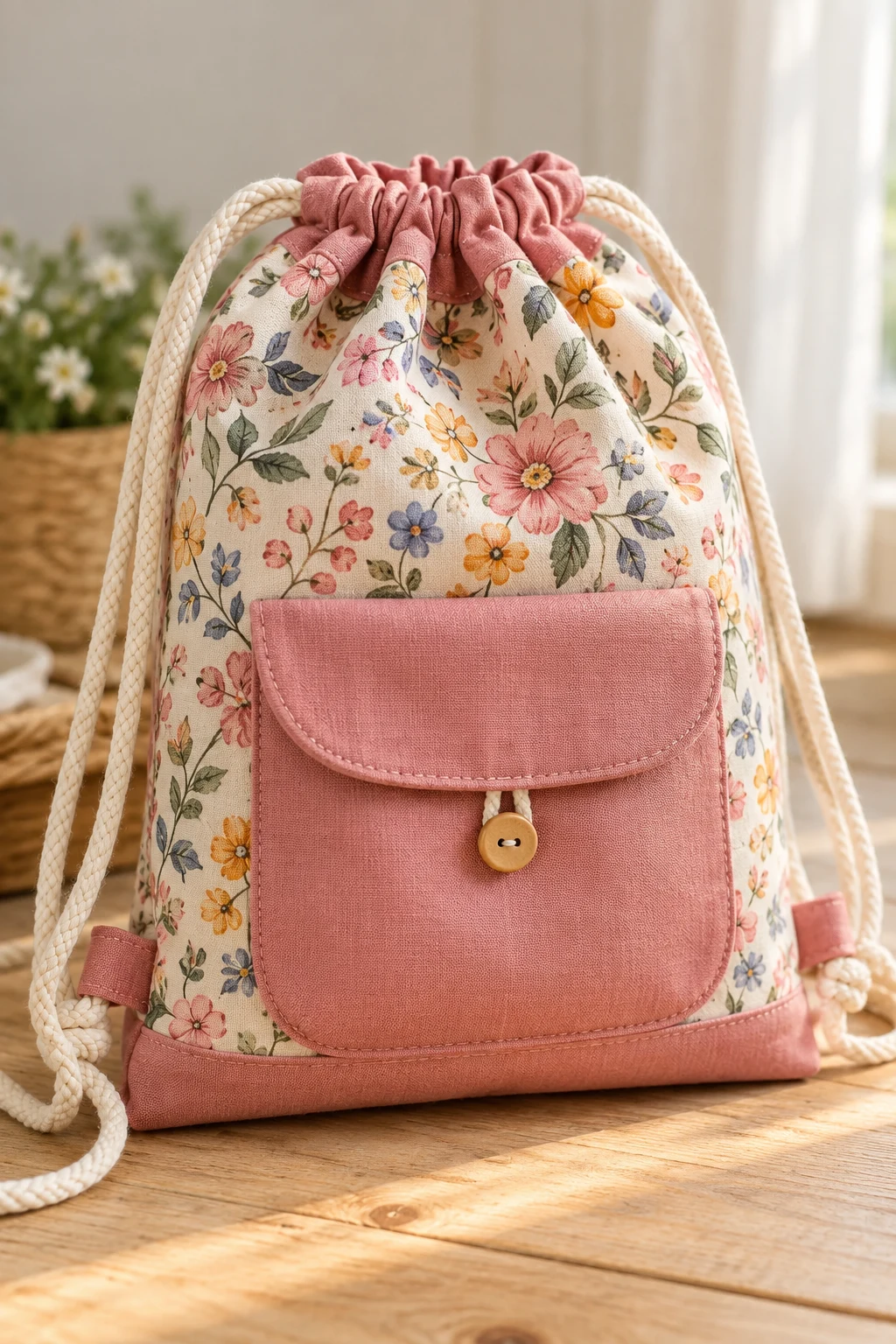
11. The Easy Drawstring Backpack
A drawstring backpack is a useful alternative to a traditional tote and an excellent project for practicing reinforced seams. This patron couture facile works well for visits, gym clothes, craft supplies, and lightweight day trips.
Choose cotton canvas or durable twill, along with sturdy cord and matching thread. Sew the bag panels together, form the upper cord channels, and reinforce the lower corners where the straps attach. A contrasting lining can make the interior look polished.
You can personalize the bag with a small appliqué, initials, or a patch sewn securely into place.
Pro tip: Reinforce every strap attachment point with a compact rectangle of stitching rather than relying on a single seam.
The key to this project is durable fabric and reinforced lower corners that can withstand the repeated pulling of drawstrings.
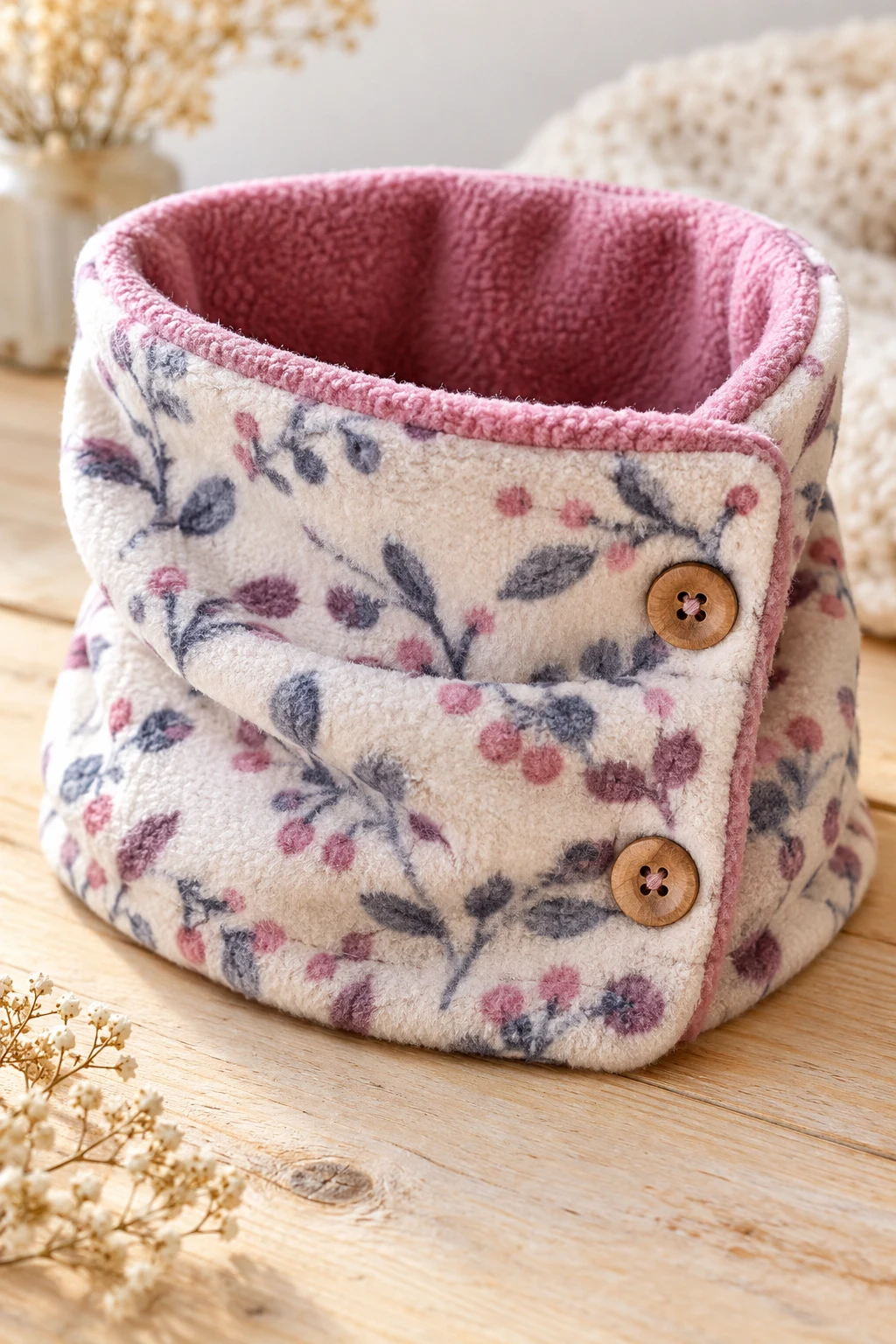
12. The Cozy Fleece Neck Warmer
When temperatures drop, a fleece neck warmer is a practical seasonal project that doesn’t require advanced garment construction. A beginner-friendly patron couture facile can often be adapted into a simple tube or a shaped neck warmer with minimal seams.
Choose soft fleece in charcoal gray, burgundy, forest green, or cream. Cut the fabric to the dimensions recommended by your chosen pattern, sew the long edges, and finish the opening as instructed. Fleece usually doesn’t fray like woven cotton, so finishing can be simpler.
For a snug fit, measure comfortably around the neck and allow enough room for movement. Avoid making the opening excessively tight.
Pro tip: Use clips instead of pins if your fleece is thick and difficult to handle.
The key to this technique is soft fleece, comfortable sizing, and seams that lie flat against the skin.
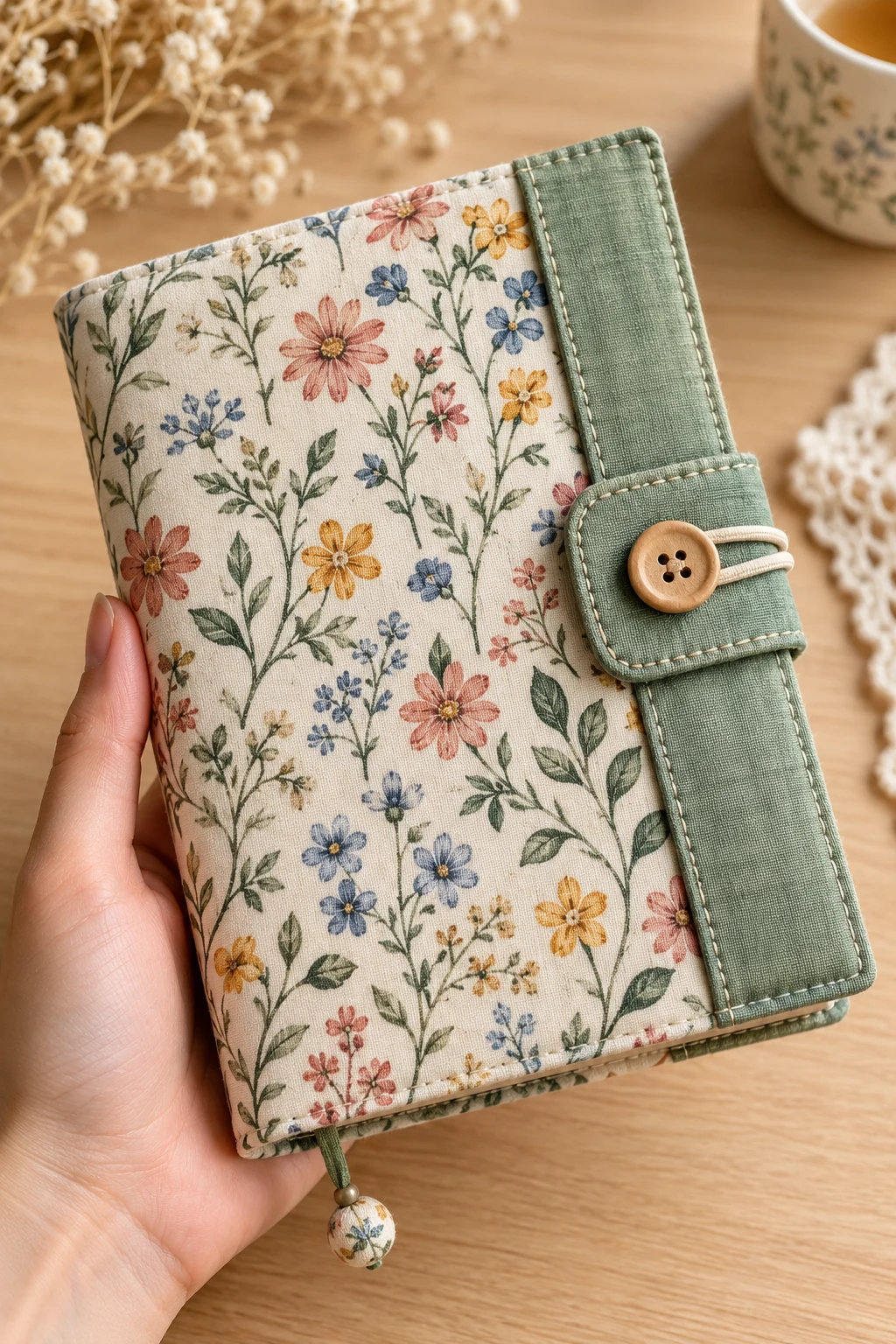
13. The Simple Fabric Book Cover
A fabric book cover protects a favorite journal, notebook, or paperback while adding a personal touch. It’s an accessible patron couture facile that allows you to practice measuring, pressing, and creating folded fabric pockets.
Use quilting cotton, lightweight canvas, or a cotton-linen blend. Measure the closed book, account for its spine, and add enough fabric for the folded inner flaps. Press the folds carefully before stitching the edges.
For a coordinated stationery set, use the same print for a pencil pouch and bookmark. Small leftovers work particularly well for this project.
Pro tip: Measure the actual book rather than relying on a generic notebook size. Even books with similar covers can differ in thickness.
The key to this look is precise measurements and secure inner flaps that hold the book cover in place without making it difficult to open.
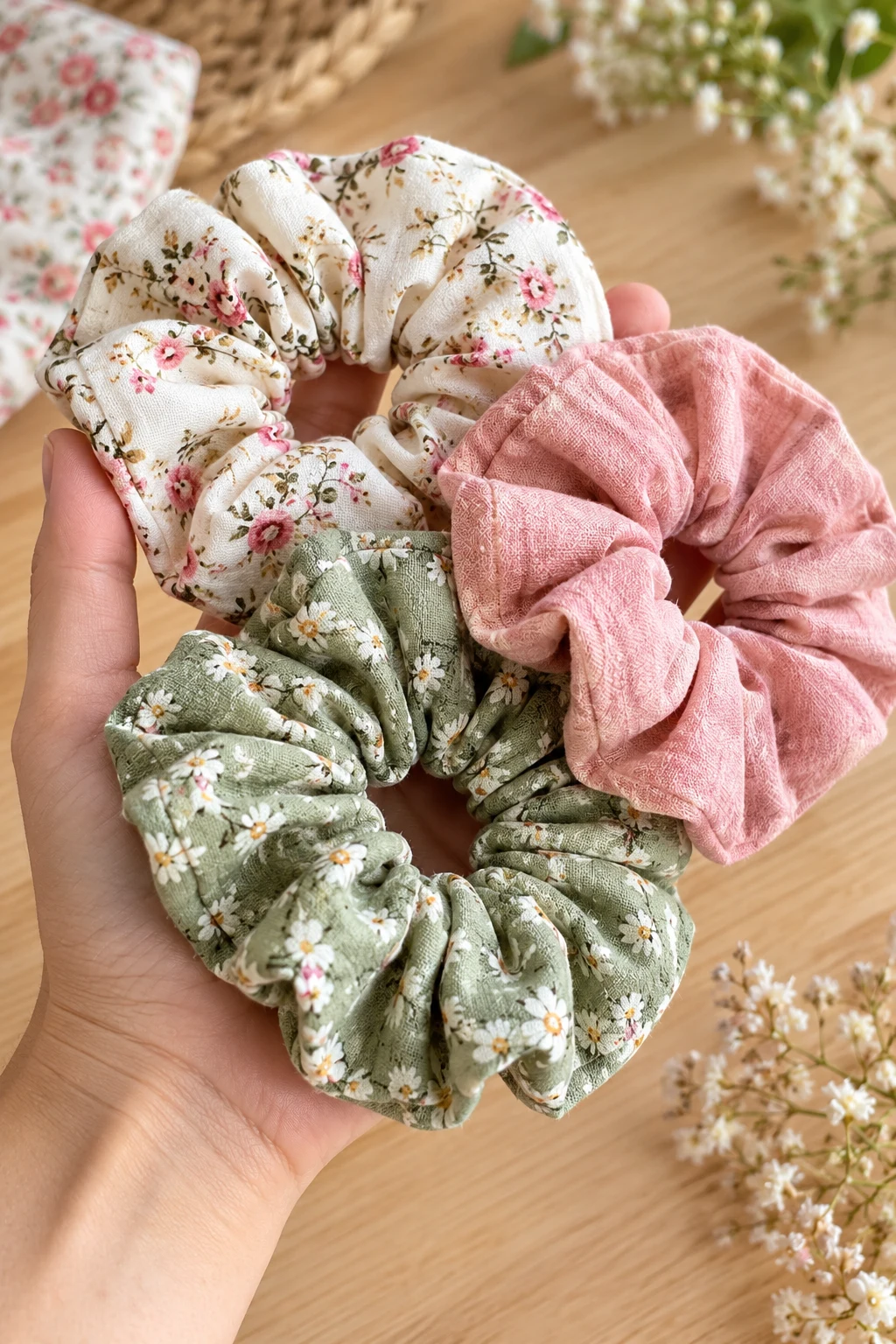
14. The Easy Fabric Scrunchies
Scrunchies remain a popular accessory because they are inexpensive to make, easy to personalize, and useful for using up leftover fabric. A simple patron couture facile for scrunchies is ideal for beginners practicing narrow seams and turning fabric tubes.
Gather cotton lawn, satin, lightweight velvet, or soft jersey, along with suitable elastic. Cut a long rectangle, sew it into a tube, turn the tube right side out, thread the elastic through it, and securely join the elastic ends. Close the remaining fabric opening with a neat seam.
Make a coordinated set in burgundy velvet for autumn or pastel cotton prints for spring gifts.
Pro tip: Don’t pull the elastic so tightly that the scrunchie becomes uncomfortable or difficult to wrap around the hair.
The key to this technique is a smooth fabric tube and securely joined elastic that create a full, comfortable accessory.
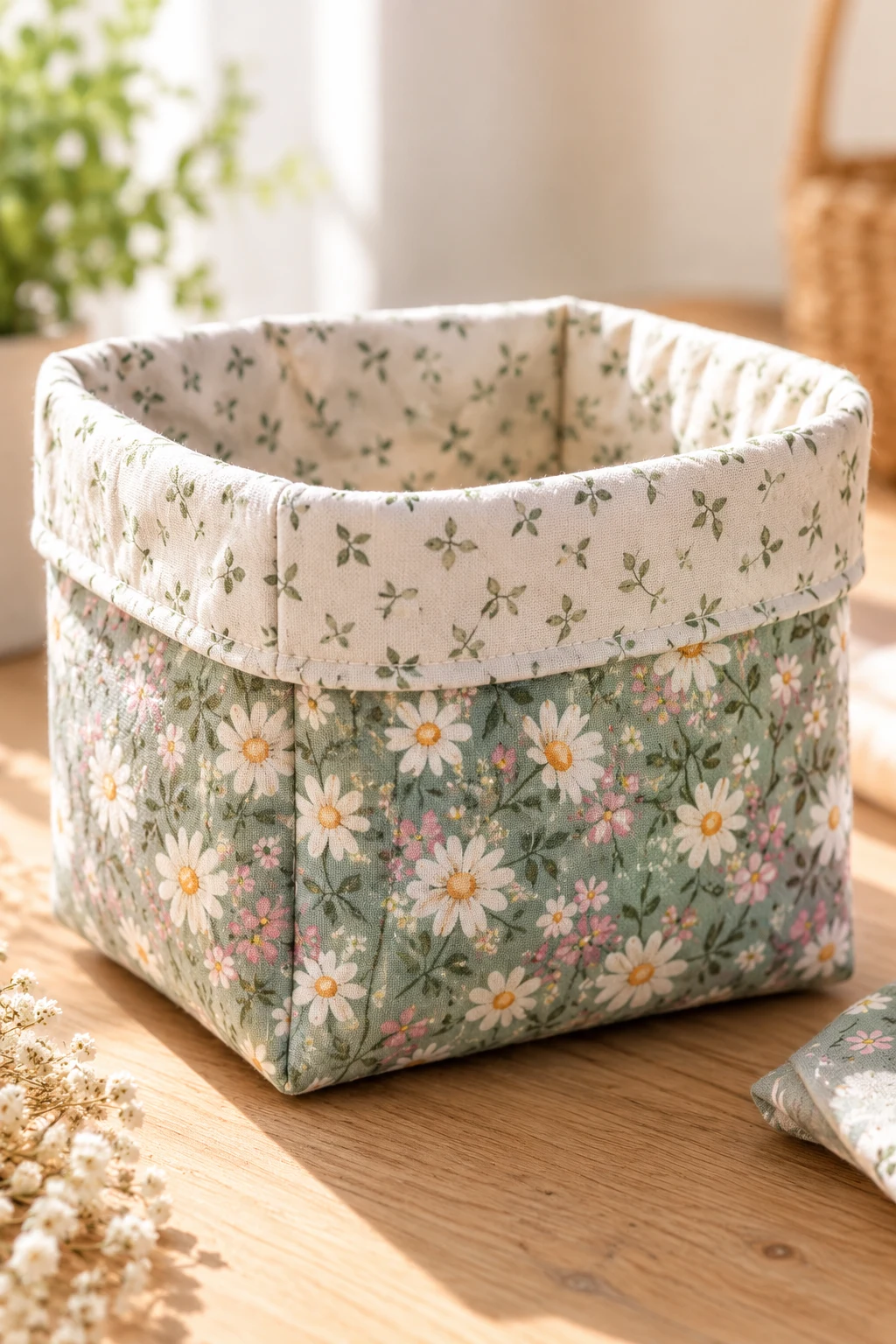
15. The Beginner Fabric Basket
A soft fabric basket is a charming storage solution for sewing notions, bathroom essentials, yarn, or desk accessories. This patron couture facile is especially useful if you want to practice joining flat fabric panels into a three-dimensional shape.
Choose medium-weight cotton, canvas, and fusible interfacing for added structure. Cut a rectangular body and a matching base according to your pattern, sew the side seam, attach the bottom, and fold the top edge into a neat rim.
A reversible design with contrasting inner and outer fabrics looks particularly attractive on open shelves.
Pro tip: Clip the seam allowance around curved corners when your pattern includes a rounded base. This helps the fabric sit smoothly after turning.
The key to this project is firm interfacing and carefully aligned base seams that help the basket retain its shape.
16. The Beginner-Friendly Fabric Shopping Bag
Finish your sewing collection with a reusable shopping bag that combines practicality and personal style. Unlike a small tote, this patron couture facile can feature a wider base, longer handles, and a roomy interior for market shopping or library trips.
Use heavy cotton, denim, or cotton canvas in navy stripes, olive green, or classic natural beige. Sew the main panels, reinforce the handles, and create a boxed bottom if you want more room for groceries or larger items. A small inner pocket can hold shopping lists or reusable produce bags.
For extra durability, choose strong thread and test the bag with a modest load before using it for heavier items.
Pro tip: Double-stitch the handles where they meet the bag body. These stress points need extra reinforcement.
The key to this look is strong fabric, reinforced handles, and a spacious base that make the finished bag reliable for everyday errands.
FAQ: Patron Couture Facile
What is a patron couture facile?
A patron couture facile is an easy sewing pattern designed to help beginners make garments, accessories, or home décor items with straightforward instructions and basic sewing techniques.
How can beginners find a free sewing pattern?
Search for a patron couture facile gratuit à télécharger from reputable sewing blogs, independent designers, or pattern publishers. Check the skill level, printable page settings, size chart, and whether seam allowances are included before starting.
Why should beginners start with simple sewing patterns?
Simple patterns help beginners build confidence with straight seams, hems, elastic casings, and fabric handling before moving on to fitted garments, collars, and zippers. They also reduce fabric waste and make it easier to identify and correct mistakes.
📚 You Might Also Like
- Crochet sweatshirt: 16 Best DIY Ideas for 2026A crochet sweatshirt is a handmade pullover that combines the relaxed shape of a classic sweatshirt…
- 16 Quick Crochet Patterns You Can Make in One SittingQuick crochet patterns are small, beginner-friendly or time-efficient crochet designed to be complet…
The Bottom Line
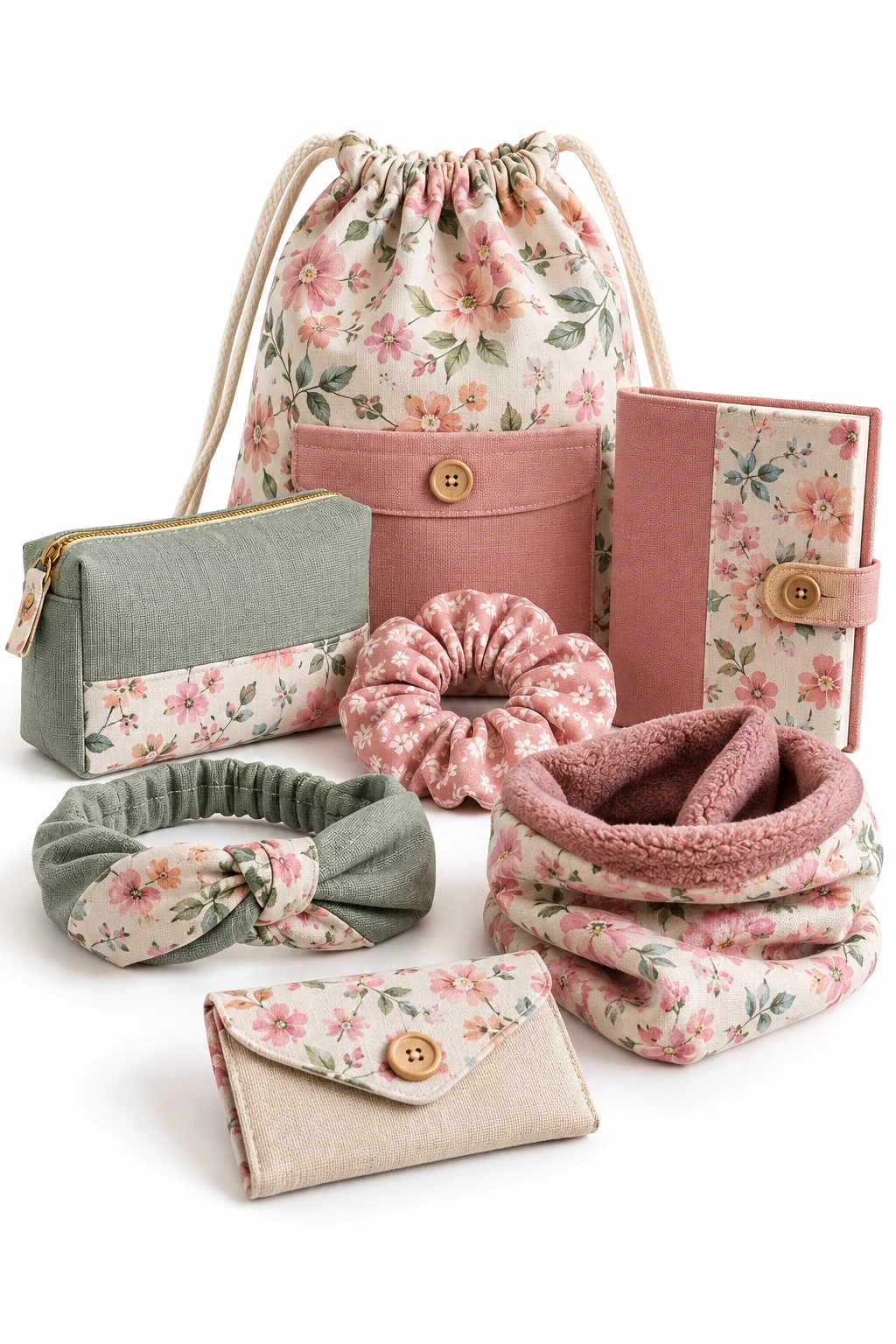
Finding the right patron couture facile can turn a few pieces of fabric into something genuinely useful, whether it’s a floral scrunchie, a breezy linen blouse, or a sturdy shopping bag. Start with a project that matches your current skills, choose fabric that’s easy to handle, and take your time measuring and pressing each seam. If you’re new to sewing, small accessories are an excellent starting point; if you’ve already mastered straight stitching, try an elastic-waist skirt or relaxed summer dress. Remember, even experienced sewists make mistakes sometimes. Keep your seam ripper nearby, enjoy experimenting with colors and prints, and let each finished project build your confidence for the next one.
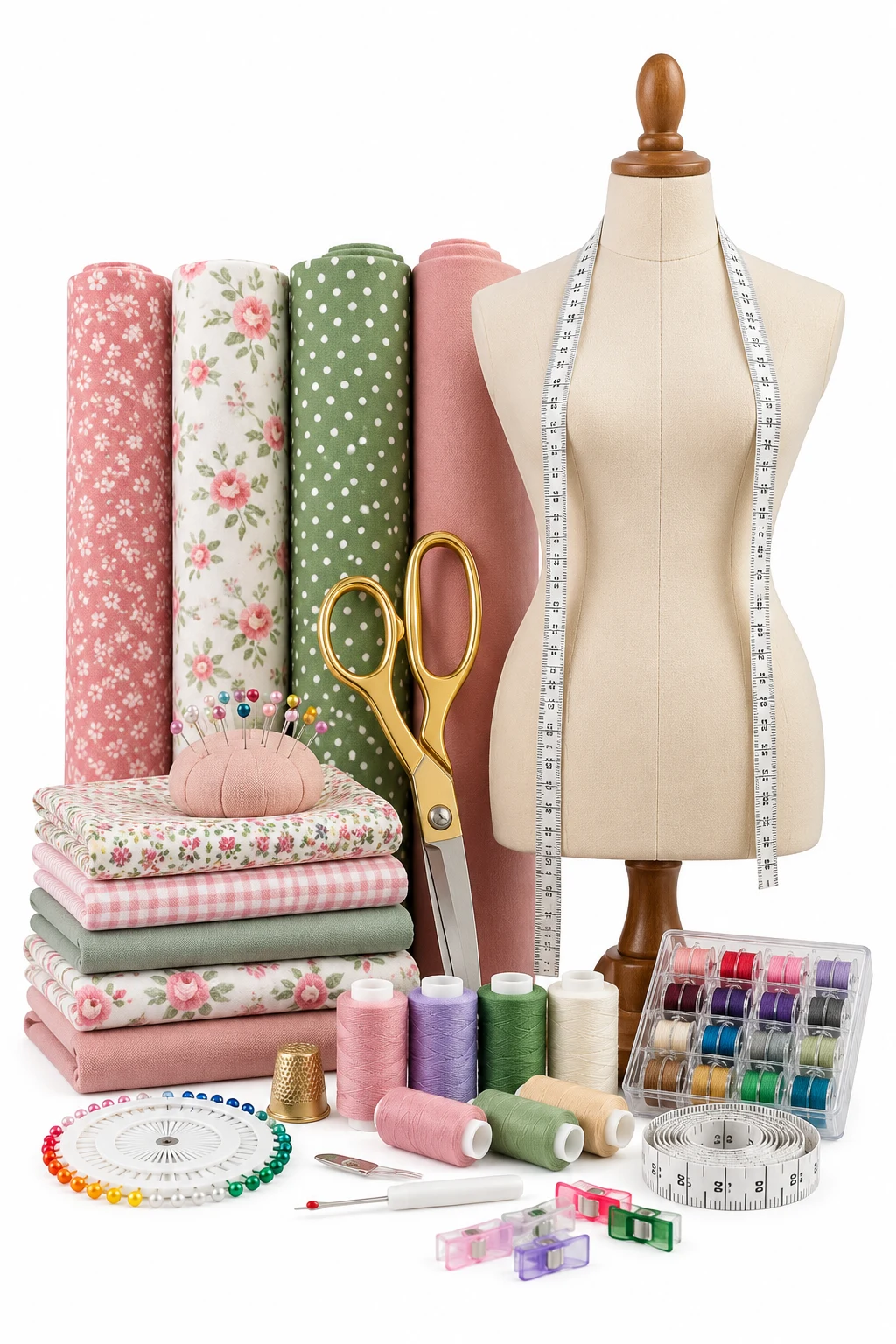
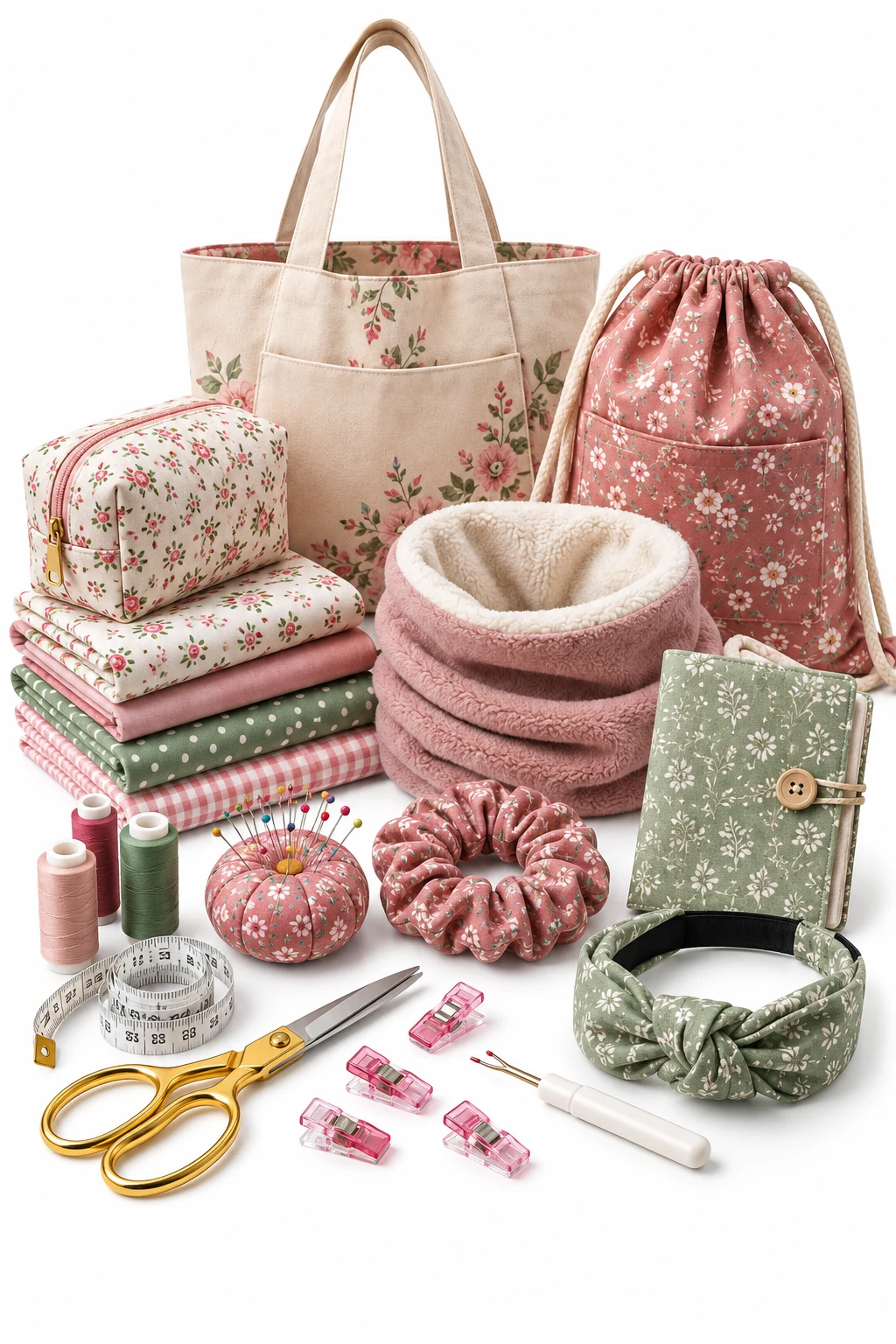
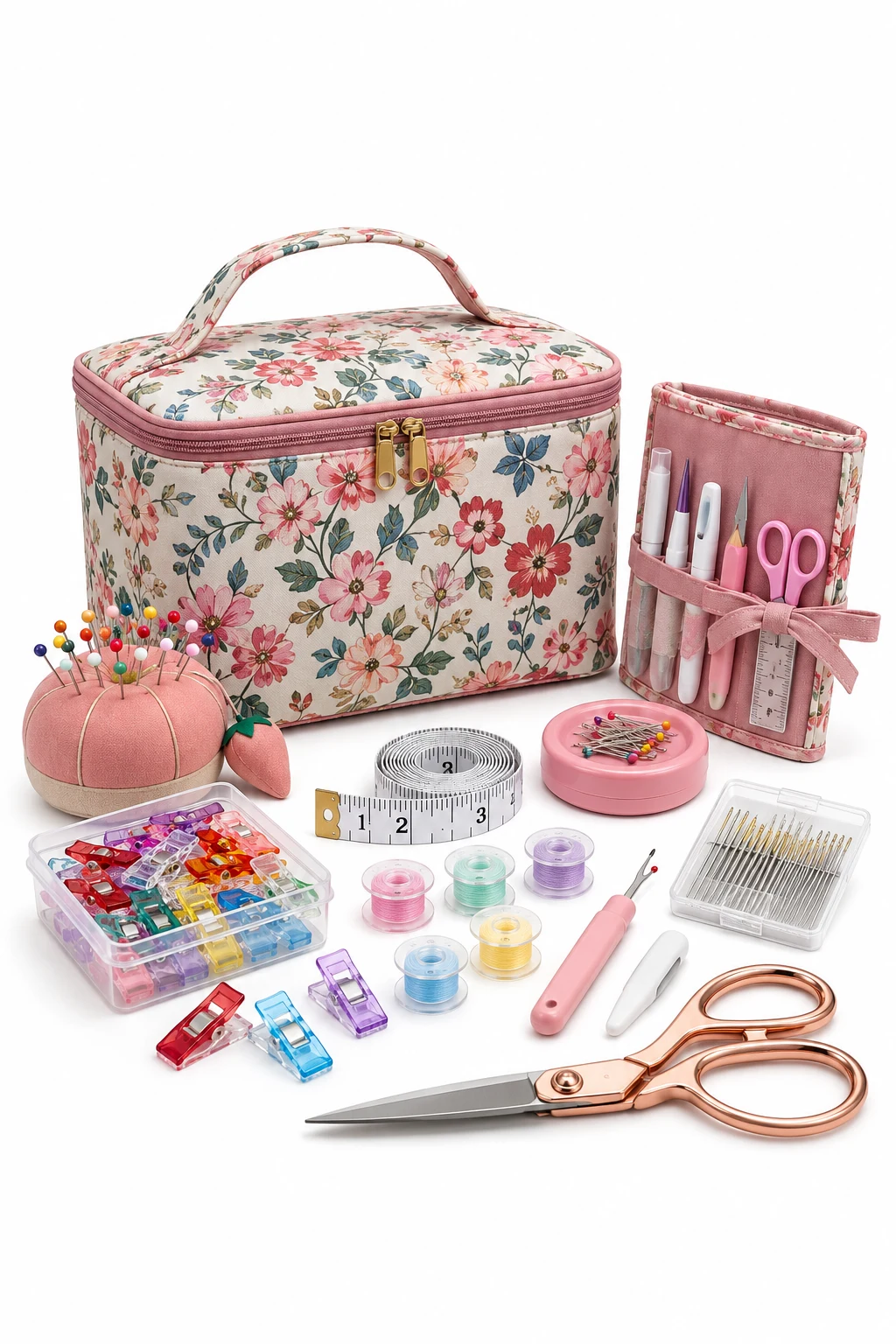
🛍️ Shop the Look — Best Sellers for patron couture facile
Our handpicked Amazon best sellers curated specifically for patron couture facile:
As an Amazon Associate I earn from qualifying purchases.