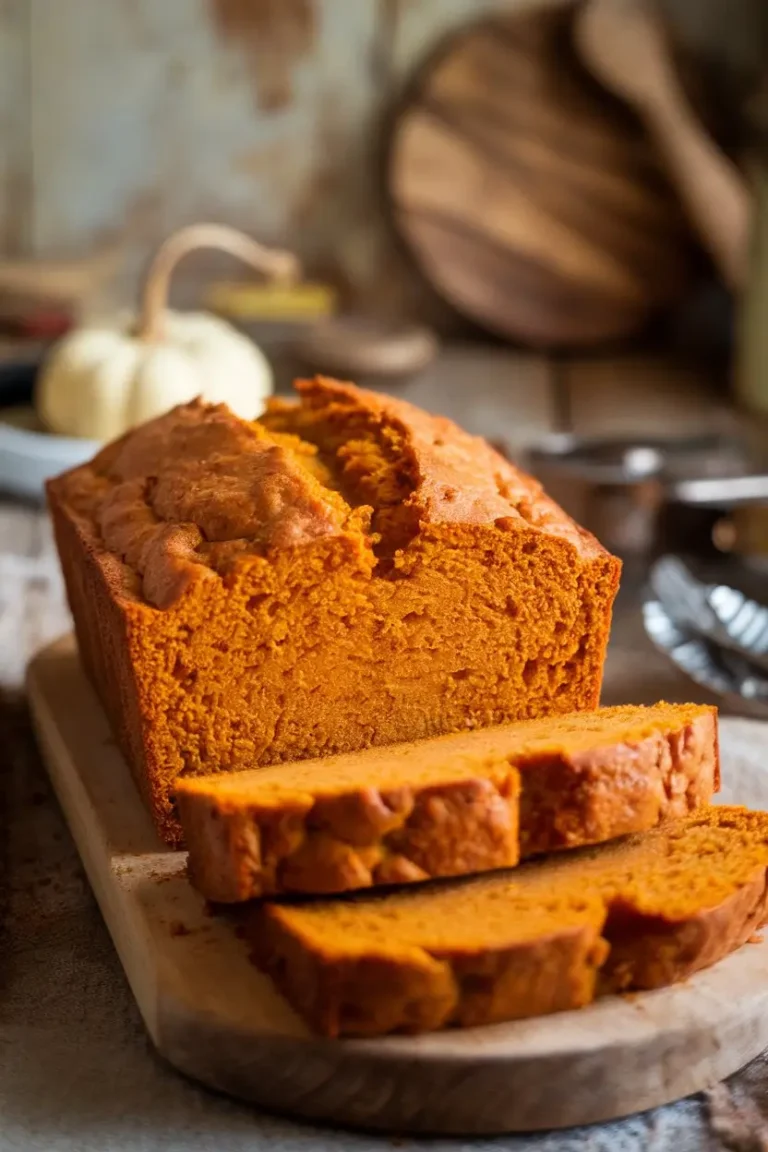
These sourdough english muffins are soft, chewy, beautifully golden, and filled with all those little nooks and crannies that make homemade English muffins so special. Made with simple pantry ingredients and a sourdough starter, this recipe delivers a deliciously tangy flavour and a tender inside with a lightly crisp exterior.
I love how simple these are to prepare, especially when the dough is mixed the night before and ready to shape the next morning. Whether you enjoy them toasted with butter and jam or use them for breakfast sandwiches, these easy sourdough english muffins are a wonderful addition to your homemade bread collection.
Prep Time: 20 minutes | Cook Time: 30 minutes | Total Time: 10 hours 50 minutes | Servings: 8 muffins | Calories: about 210 per serving

⭐️ Why you’ll love these sourdough english muffins
- Delicious sourdough flavour: The natural fermentation creates a gentle tang that balances beautifully with the slightly sweet dough.
- Easy for beginners: You don’t need complicated bread-making techniques or special equipment to make these muffins.
- Convenient preparation: Mix the dough in the evening, let it ferment overnight, and finish shaping and cooking the following morning.
- Perfect for any occasion: Serve them for breakfast, brunch, afternoon snacks, or as the base for homemade breakfast sandwiches.
- Wonderful texture: Expect golden, slightly crisp edges, a soft and chewy centre, and plenty of little pockets perfect for holding melted butter.
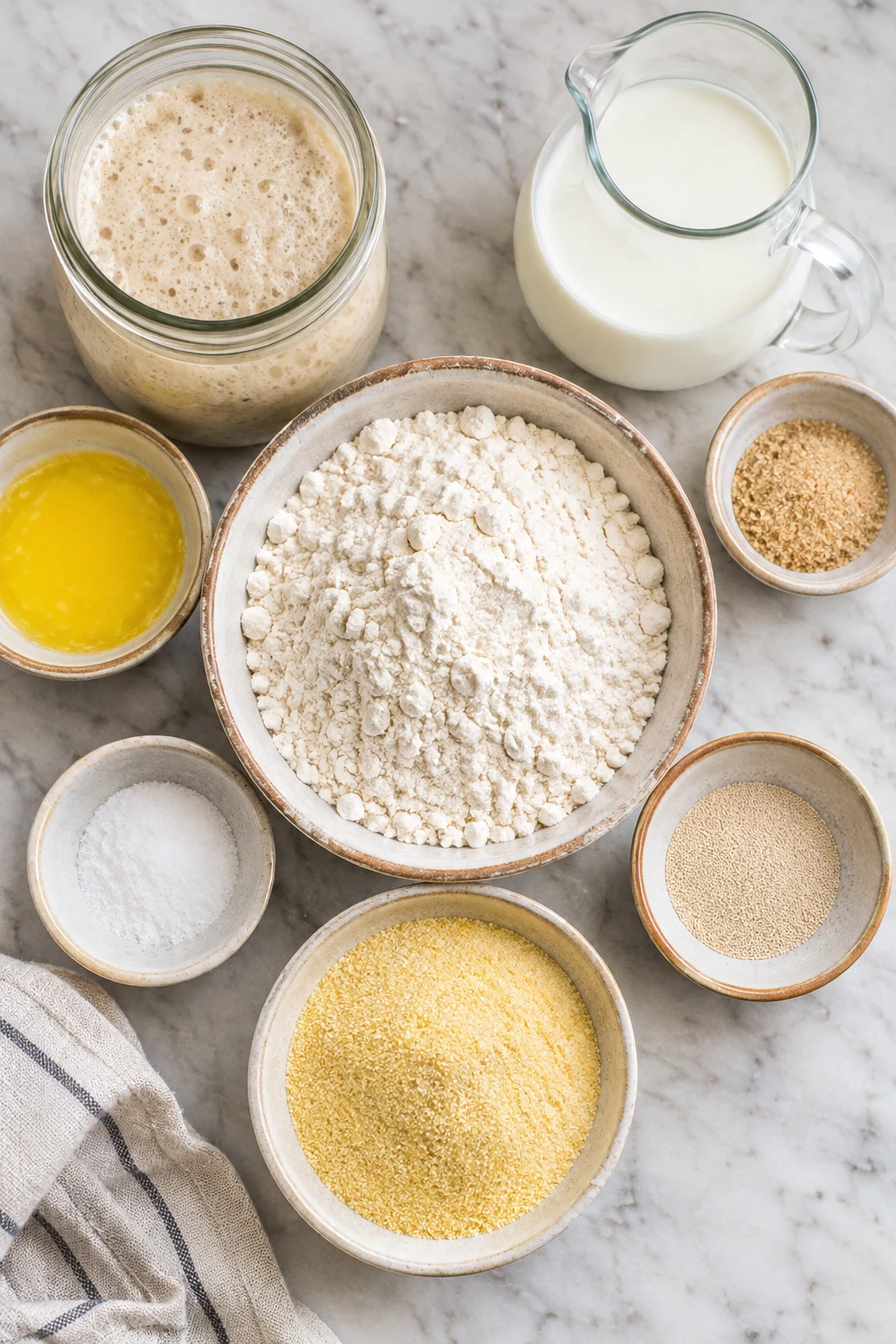
🧾 Ingredients for sourdough english muffins
- Active sourdough starter: Provides natural fermentation, a lovely tangy flavour, and helps develop the dough’s texture. Mature sourdough discard also works when combined with the baking soda in this recipe.
- Whole milk: Adds moisture and richness, helping create a soft, tender interior.
- All-purpose flour: Forms the structure of the muffins while keeping them pleasantly light.
- Honey: Adds a subtle sweetness and balances the sourdough flavour.
- Fine sea salt: Enhances the flavour and balances the other ingredients.
- Baking soda: Helps lighten the fermented dough and encourages a softer texture.
- Cornmeal: Prevents sticking and gives the outside of the muffins their traditional lightly textured coating.
- Butter or neutral oil: Keeps the skillet lightly greased during cooking.
See recipe card for quantities.
📖 Substitutions & Variations
- Variations
- Whole-Grain Muffins: Replace up to one-quarter of the all-purpose flour with whole-wheat flour. The result will have a slightly heartier texture and nuttier flavour.
- Add-ins: Mix in a little cinnamon and dried fruit for a breakfast-inspired variation. You can also add finely chopped fresh herbs for savoury muffins.
- Substitutions
- Main ingredient: Bread flour can replace all-purpose flour for a slightly chewier result. If using whole-grain flour, you may need additional milk.
- Milk or dairy: Use unsweetened oat milk or soy milk instead of whole milk for a dairy-free option. You can also make sourdough english muffins no milk by using water, although the texture will be less rich.
- Butter or oil: Use olive oil or another neutral cooking oil instead of butter when greasing the skillet.
👩🏻🍳 Making sourdough english muffins in simple steps
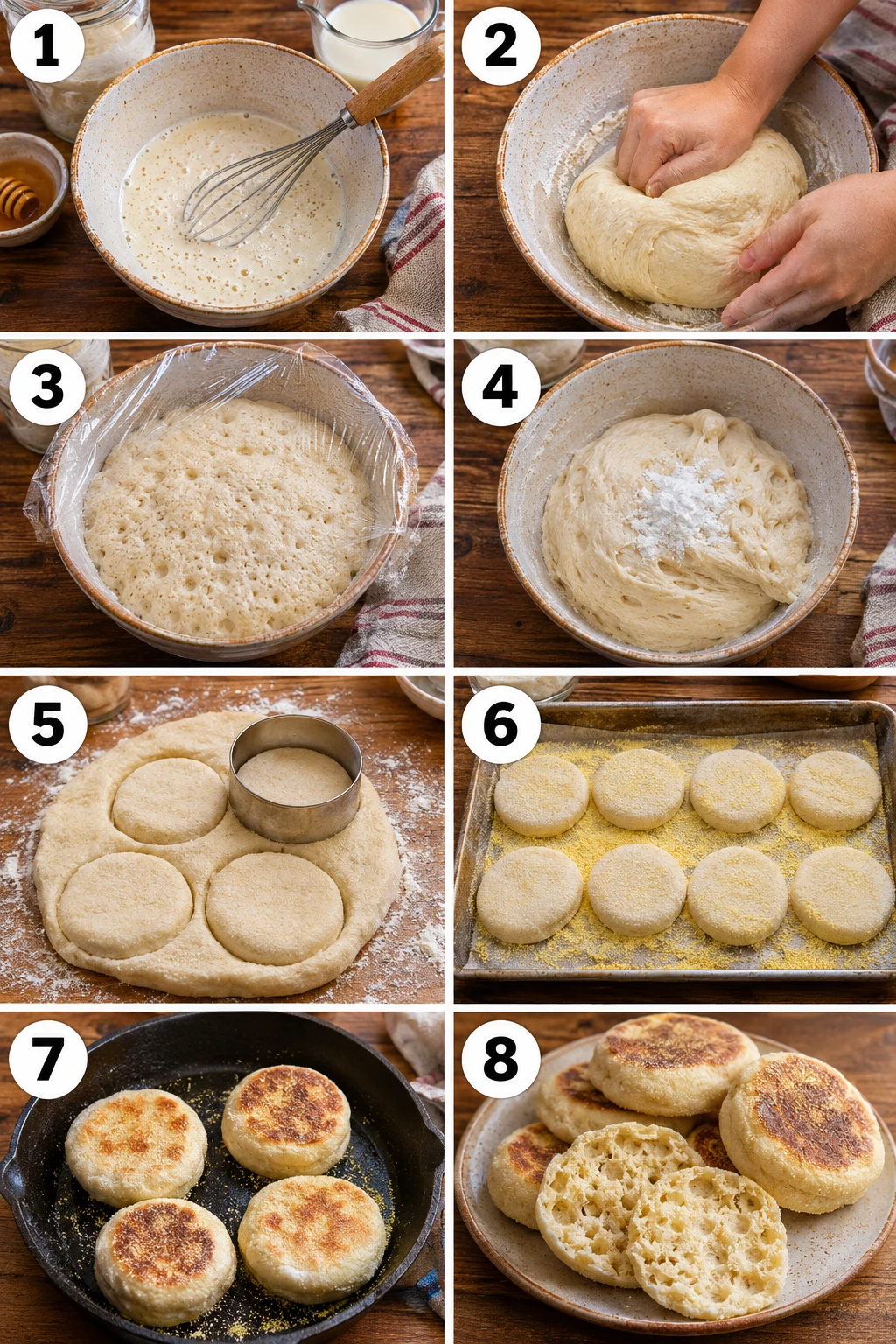
- Combine the wet ingredients: Whisk the sourdough starter, milk, and honey together in a large mixing bowl until smooth.
- Make the dough: Add the flour and salt. Mix until a soft, slightly sticky dough forms.
- Ferment overnight: Cover the bowl and leave the dough at room temperature for approximately 8–12 hours, depending on your starter and kitchen temperature.
- Add the baking soda: Sprinkle the baking soda over the fermented dough and knead gently until evenly incorporated.
- Shape the muffins: Transfer the dough to a lightly floured surface. Roll or press it to approximately 1.5 cm (½–⅝ inch) thick and cut into 8 rounds using a biscuit cutter.
- Prepare for cooking: Arrange the rounds on a baking sheet sprinkled with cornmeal. Dust the tops lightly and cover for another 30–45 minutes, until slightly puffy.
- Cook until golden: Heat a lightly greased skillet over medium-low heat. Cook the muffins for approximately 6–8 minutes per side, adjusting the heat to prevent excessive browning.
- Cool and serve: Transfer to a wire rack and allow to cool before splitting with a fork and toasting.
Hint: Keep the skillet temperature relatively low. English muffins need enough time to cook through the centre without burning their golden outside. If the outside browns too quickly, reduce the heat.
💡 Can I make sourdough english muffins with discard?
Yes! Sourdough discard works beautifully in this recipe, making it a great way to use up leftover starter instead of throwing it away. Use unfed discard in place of active starter, keeping the same quantity.
Because discard is generally less active than a bubbly, recently fed starter, the dough may rise more slowly. The baking soda helps provide additional lift, but it is still important to allow the dough enough time to ferment and become puffy.
Pro Tip: For the best flavour, use discard that has been stored properly and smells pleasantly tangy. Avoid using starter with visible mould or unusual discolouration.
💡 Why are my sourdough english muffins dense?
Dense English muffins usually result from insufficient fermentation, too much added flour, or cooking at a temperature that is too high. If the dough hasn’t become light and puffy before cooking, give it more time to rise. Also, avoid pressing the shaped rounds too firmly, as this can remove some of the air developed during fermentation.
🔪 Equipment
This post may contain affiliate links.
You don’t need a professional bread-making setup to make these muffins. A few everyday kitchen tools will make preparation easier and help you achieve consistent results.
- Digital Kitchen Scale: Helps measure flour, starter, and other ingredients accurately for consistent dough.
- Mixing Bowl: Provides enough space to combine the ingredients and allow the dough to ferment overnight.
- Dough Scraper: Makes handling sticky dough and transferring it to the work surface easier.
- Rolling Pin: Helps flatten the dough evenly before cutting the muffins.
- Biscuit Cutter: Creates evenly sized, round English muffins. A 7–8 cm (3-inch) cutter works well.
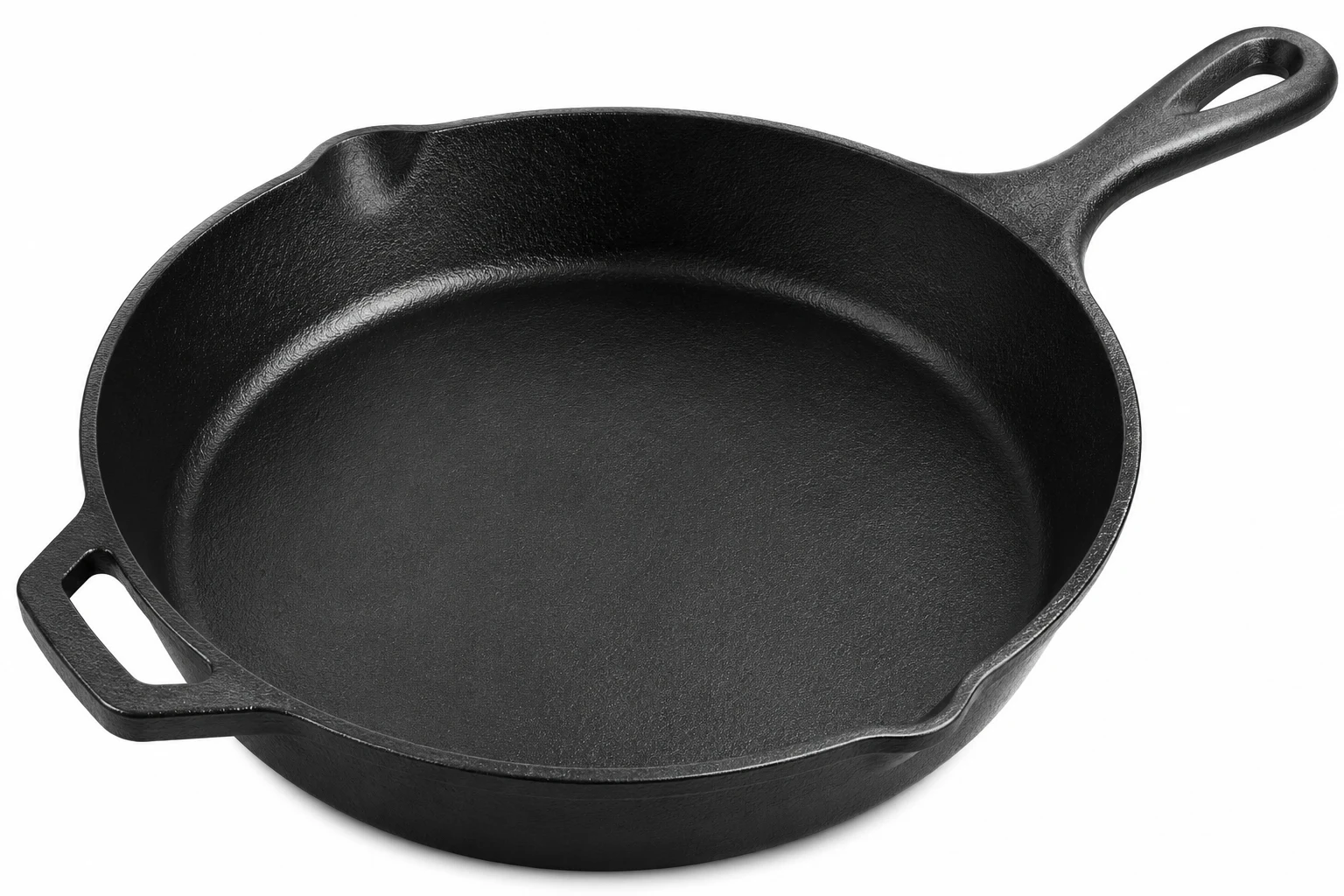
- Cast Iron Skillet: Retains heat well and helps develop beautifully golden muffin surfaces.
- Kitchen Thermometer: Checks the internal temperature to ensure the muffins are cooked through.
- Wire Cooling Rack: Allows air to circulate around the muffins as they cool.


As an Amazon Associate I earn from qualifying purchases.
🍯 Storage
- Fridge: Store completely cooled muffins in an airtight container for up to 5 days. Allow refrigerated muffins to come closer to room temperature before toasting.
- Freezer: Slice the cooled muffins in half and freeze in a freezer-safe bag for up to 3 months. Separate them with parchment paper if stacking.
- Reheat: Split and toast directly from frozen or warm in a toaster oven until heated through. A lightly buttered skillet also works beautifully.
❓FAQ
Can I make sourdough english muffins without an overnight rise?
Yes, but the fermentation time will depend on your starter and the temperature of your kitchen. For a same-day version, use a lively starter and allow the dough to rise until noticeably puffy before shaping. You can also use a little commercial yeast to make a faster version.
Can I use whole-wheat flour for sourdough english muffins?
Are sourdough english muffins healthy?
Homemade sourdough English muffins can be part of a balanced breakfast. They provide carbohydrates for energy and some protein, while using whole-grain flour can increase their fibre content. Their nutritional value depends on the ingredients and toppings you choose.
How do I get the traditional nooks and crannies?
The secret is a properly fermented dough, gentle handling, and splitting the muffins with a fork instead of cutting them with a knife. Fork-splitting creates the characteristic uneven surface that catches butter, jam, and other toppings.
Can I make these muffins dairy-free?
Yes! Replace the whole milk with unsweetened oat or soy milk and use oil instead of butter for cooking. The muffins will still be soft and delicious, although the flavour and richness may be slightly different.
Final Thoughts
These homemade sourdough english muffins are a lovely recipe for both beginners and experienced home bakers. Once you’ve mastered the simple overnight fermentation and gentle skillet cooking, you can experiment with different flours, flavours, and toppings to make them your own. Give this recipe a try, then leave a comment and a star rating to let me know how your muffins turned out!
These sourdough english muffins are soft, chewy, beautifully golden, and filled with all those little nooks and crannies that make homemade English muffins so special. Made with simple pantry ingredients and a sourdough…
- 100 g (½ cup) sourdough starter, active or discard
- 240 g (1 cup) whole milk, room temperature
- 360 g (3 cups) all-purpose flour
- 20 g (1 tablespoon) honey
- 6 g (1 teaspoon) fine sea salt
- 3 g (¾ teaspoon) baking soda
- 30 g (3 tablespoons) cornmeal, for dusting
- 10 g (2 teaspoons) butter or neutral oil, for cooking
- Combine wet ingredients. Whisk the sourdough starter, milk, and honey together in a large mixing bowl until combined.
- Mix the dough. Add the flour and salt. Stir until a soft dough forms, then knead gently for 3–5 minutes until smooth.
- Ferment overnight. Cover the bowl and leave at room temperature for 8–12 hours, until the dough is noticeably risen and bubbly.
- Incorporate baking soda. Sprinkle the baking soda over the fermented dough and knead gently until evenly distributed.
- Cut the muffins. Transfer the dough to a lightly floured surface. Press to approximately 1.5 cm (½–⅝ inch) thick and cut 8 rounds using a 7–8 cm (3-inch) biscuit cutter.
- Rest the rounds. Place the muffins on a cornmeal-dusted baking sheet. Sprinkle additional cornmeal over the tops, cover, and rest for 30–45 minutes until slightly puffy.
- Cook the muffins. Heat a lightly greased skillet over medium-low heat. Cook the muffins for 6–8 minutes per side, until golden brown and cooked through. Their internal temperature should reach approximately 93°C (200°F).
- Cool and serve. Transfer to a wire rack and cool for at least 15 minutes. Split with a fork and toast before serving.
- Starter: Active starter gives a more reliable rise, but unfed sourdough discard also works. Fermentation time depends on starter strength and room temperature.
- Flour substitution: Whole-wheat flour can replace up to one-quarter of the all-purpose flour. Add a little extra milk if the dough feels too firm.
- Storage: Keep muffins in an airtight container for up to 5 days in the refrigerator or freeze sliced muffins for up to 3 months.