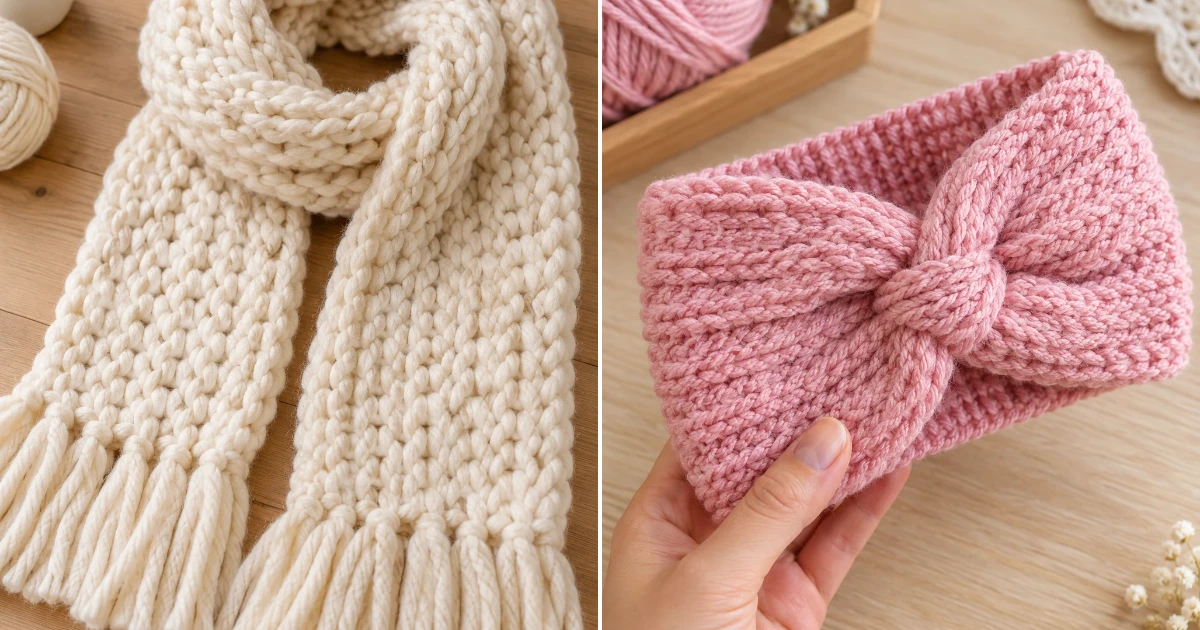
Knitting Tutorials are step-by-step guides that teach you how to create beautiful handmade using yarn, knitting needles, and simple or advanced stitches. Whether you want to make your first scarf, knit a pink headband, or create cozy home accessories for winter, the right Knitting Tutorials can turn a ball of yarn into something you will actually love using. The best part? You don’t need expensive equipment or years of experience to get started. With a few basic supplies and some patience, you can learn practical knitting techniques while creating stylish accessories, thoughtful gifts, and charming decorations. From beginner-friendly to textured statement pieces, these 15 Knitting Tutorials offer creative inspiration for every skill level, season, and personal style.
1. The Classic Chunky Knit Scarf — Knitting
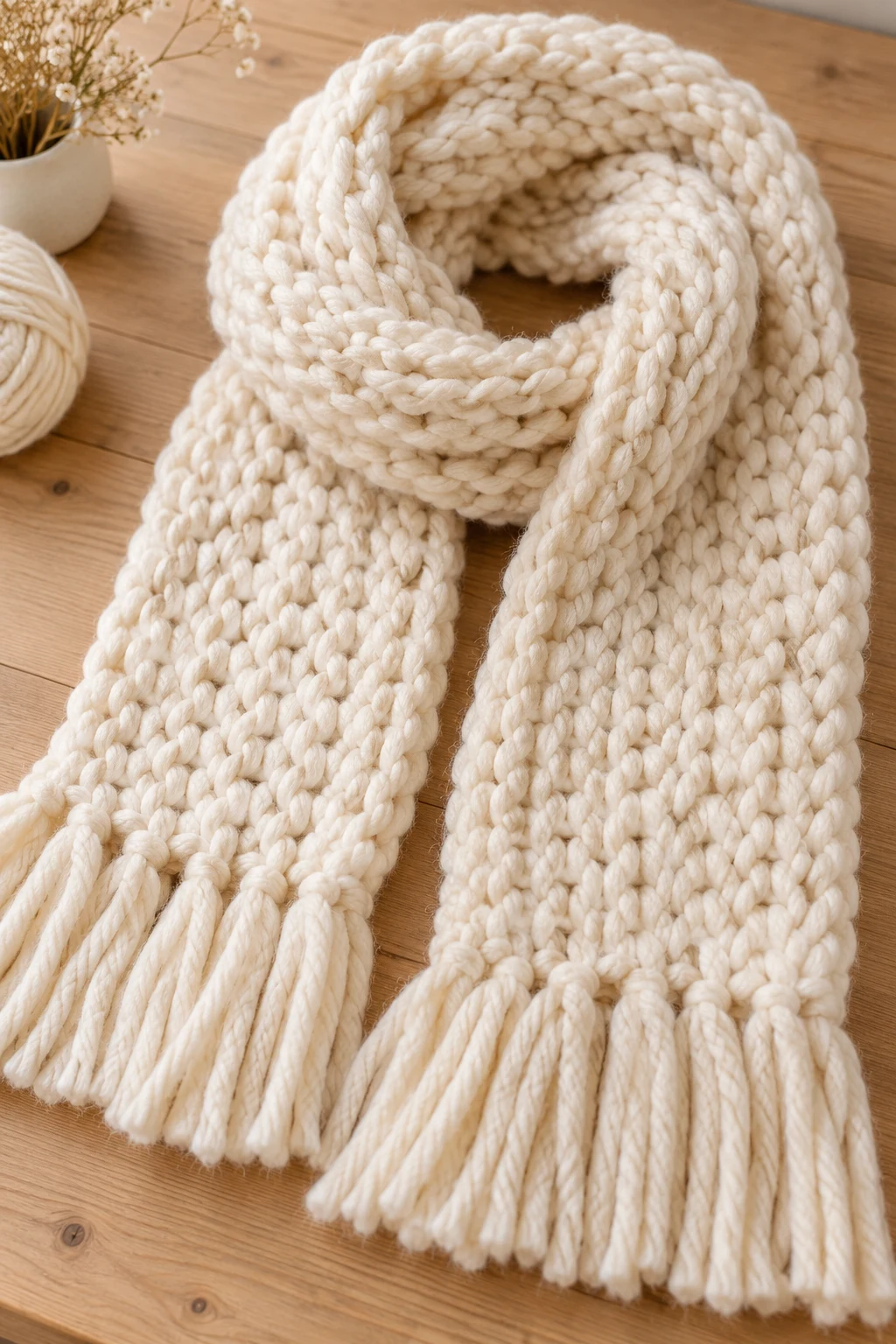
A chunky scarf is one of the best Knitting Tutorials for beginners because it helps you practice the two most important skills: casting on and knitting stitches. Choose bulky yarn in cream, oatmeal, dusty rose, or charcoal gray for an accessory that looks stylish with winter coats.
You will need bulky yarn, US size 10–13 knitting needles, and scissors. Start with approximately 20–30 stitches, depending on your desired scarf width, and knit every row for a simple garter-stitch texture. Continue until the scarf reaches your preferred length, then bind off and weave in the ends.
Pro tip: Use smooth, light-colored yarn so you can see each stitch clearly while learning.
The key to this look and technique is consistent tension, which creates an even, plush scarf without tight edges.
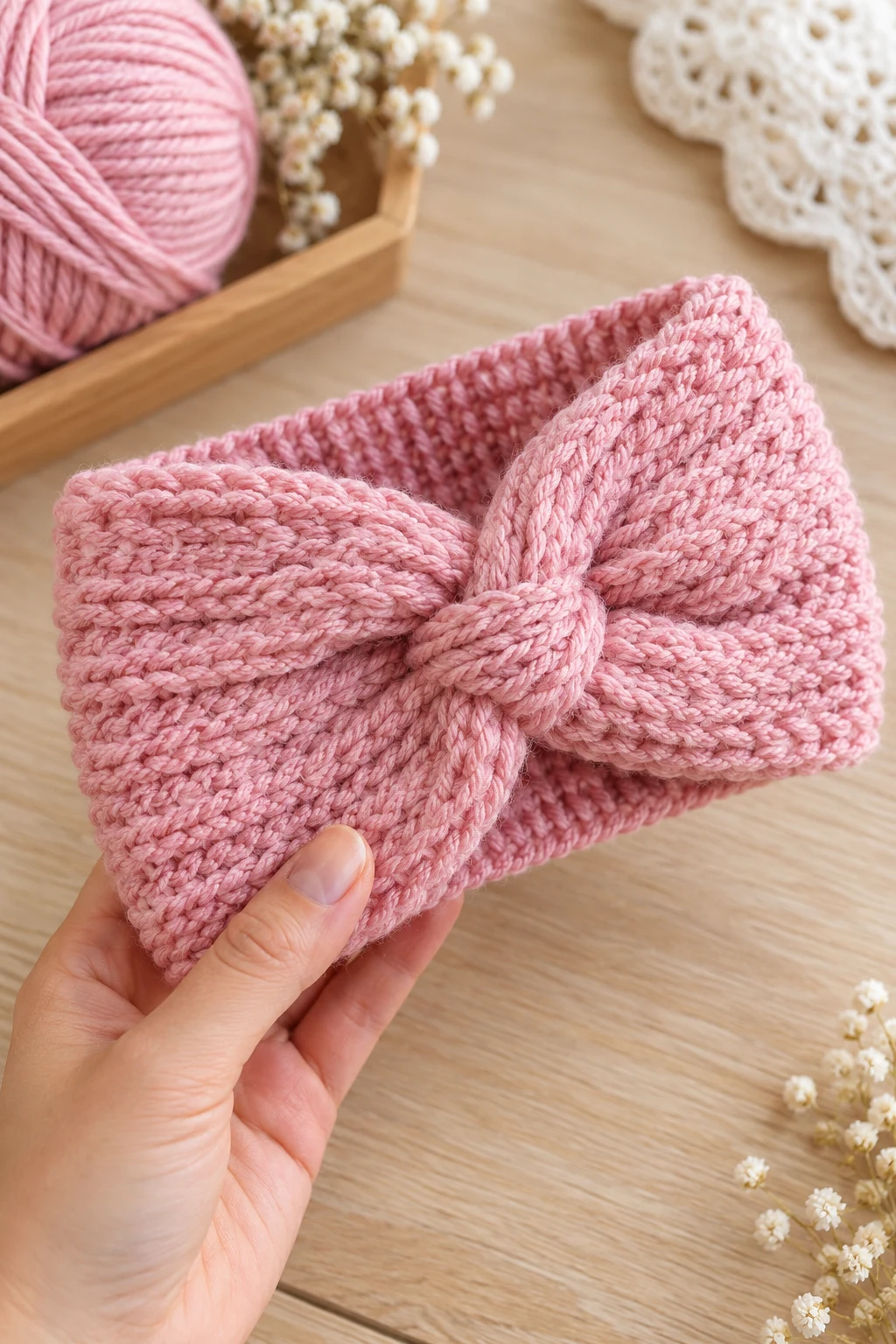
2. A Sweet Pink Knitted Headband — Knitting
If you enjoy Knitting Tutorials that produce quick, wearable results, a pink headband deserves a place on your project list. This beginner-friendly accessory works beautifully in dusty pink, bubblegum pink, or muted rose, making it an easy addition to a spring outfit or cozy autumn wardrobe.
Gather soft worsted-weight yarn, US size 7–9 knitting needles, and a yarn needle. Knit a rectangle using rib stitch or garter stitch, then sew the short ends together. For a fashionable twisted-front design, arrange the ends into an interlocking twist before seaming them securely.
Pro tip: Measure around your head before finishing, and allow a little negative ease so the headband stays comfortably in place.
The key to this look and technique is stretchy ribbing combined with a snug but comfortable fit.
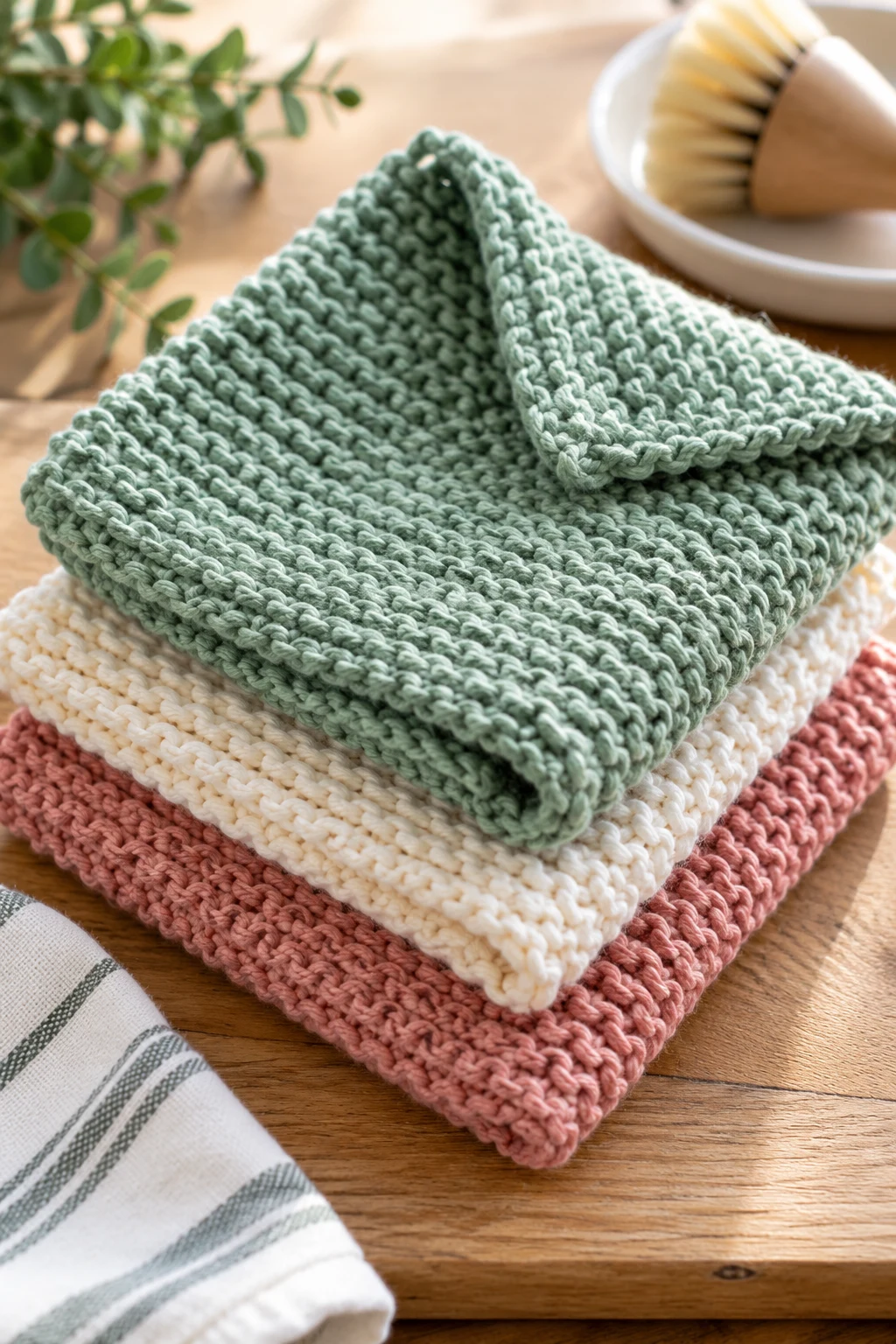
3. Beginner Knitted Dishcloths — Knitting
Dishcloths are practical Knitting Tutorials for beginners who want to practice without committing to a large project. They also make thoughtful housewarming gifts, especially when you combine sage green, natural cotton, and warm terracotta colors.
Use 100% cotton yarn, US size 6–8 needles, and a simple garter or seed stitch. Cast on around 30–40 stitches and knit until the cloth forms a square. Cotton is a sensible choice because it absorbs water and tolerates regular washing better than many delicate fibers.
Pro tip: Make several cloths in coordinating colors and tie them together with cotton twine for a handmade gift set.
The key to this look and technique is using durable cotton yarn and a textured stitch that provides gentle scrubbing power.
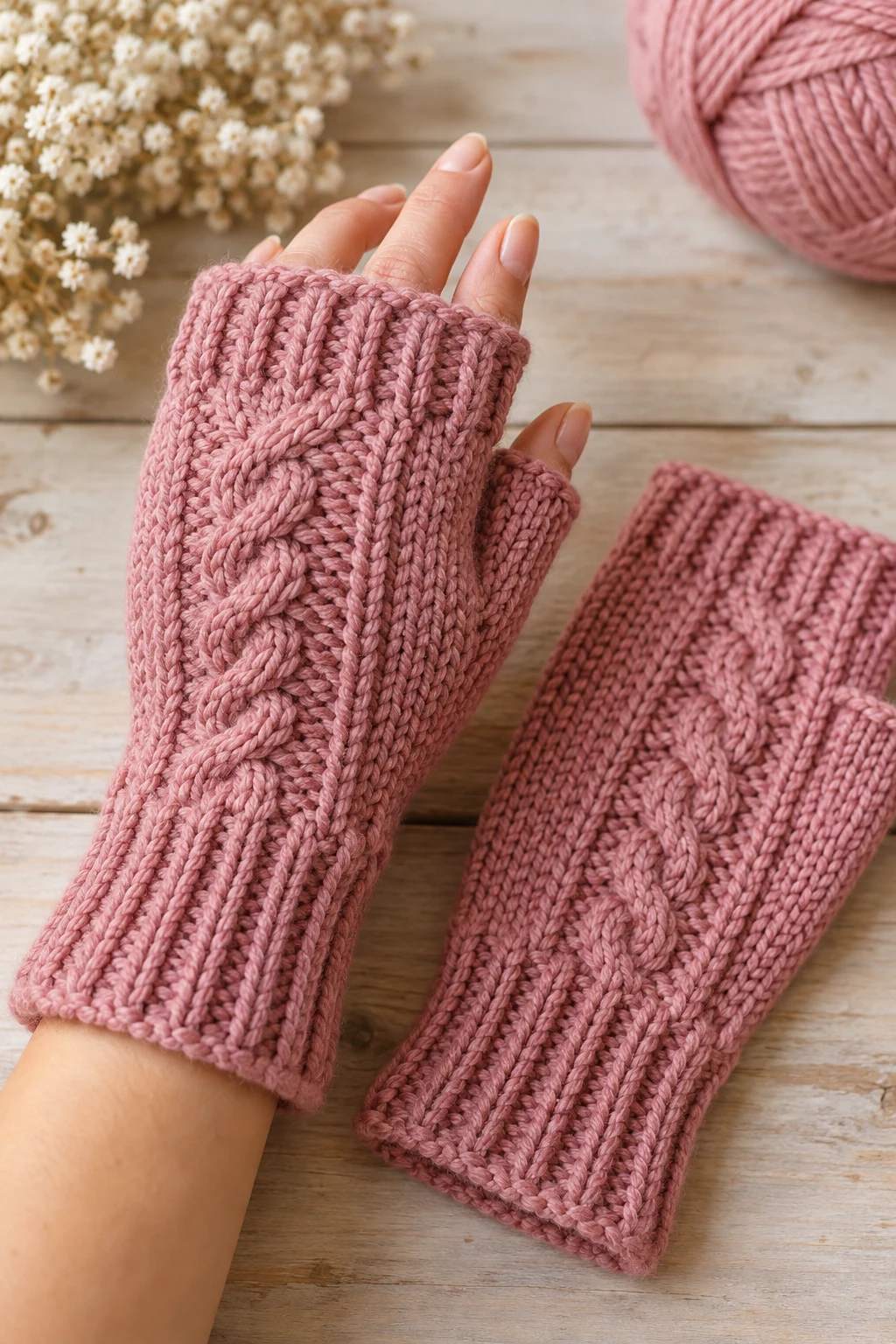
4. Cozy Knitted Fingerless Gloves
Fingerless gloves are ideal Knitting Tutorials for anyone ready to move beyond flat rectangles. They keep your wrists warm while leaving your fingers free for typing, crafting, or holding a hot drink on a chilly morning.
Choose worsted-weight wool or wool-blend yarn, double-pointed needles or circular needles, and stitch markers. Knit a ribbed cuff, work the hand section in stockinette stitch, and create a thumb opening according to your chosen pattern. Beginners can also knit a flat rectangle and seam it while leaving a gap for the thumb.
Pro tip: Check the pattern’s sizing instructions carefully because hand circumference affects comfort than glove length alone.
The key to this look and technique is combining a stretchy cuff with a correctly positioned thumb opening.
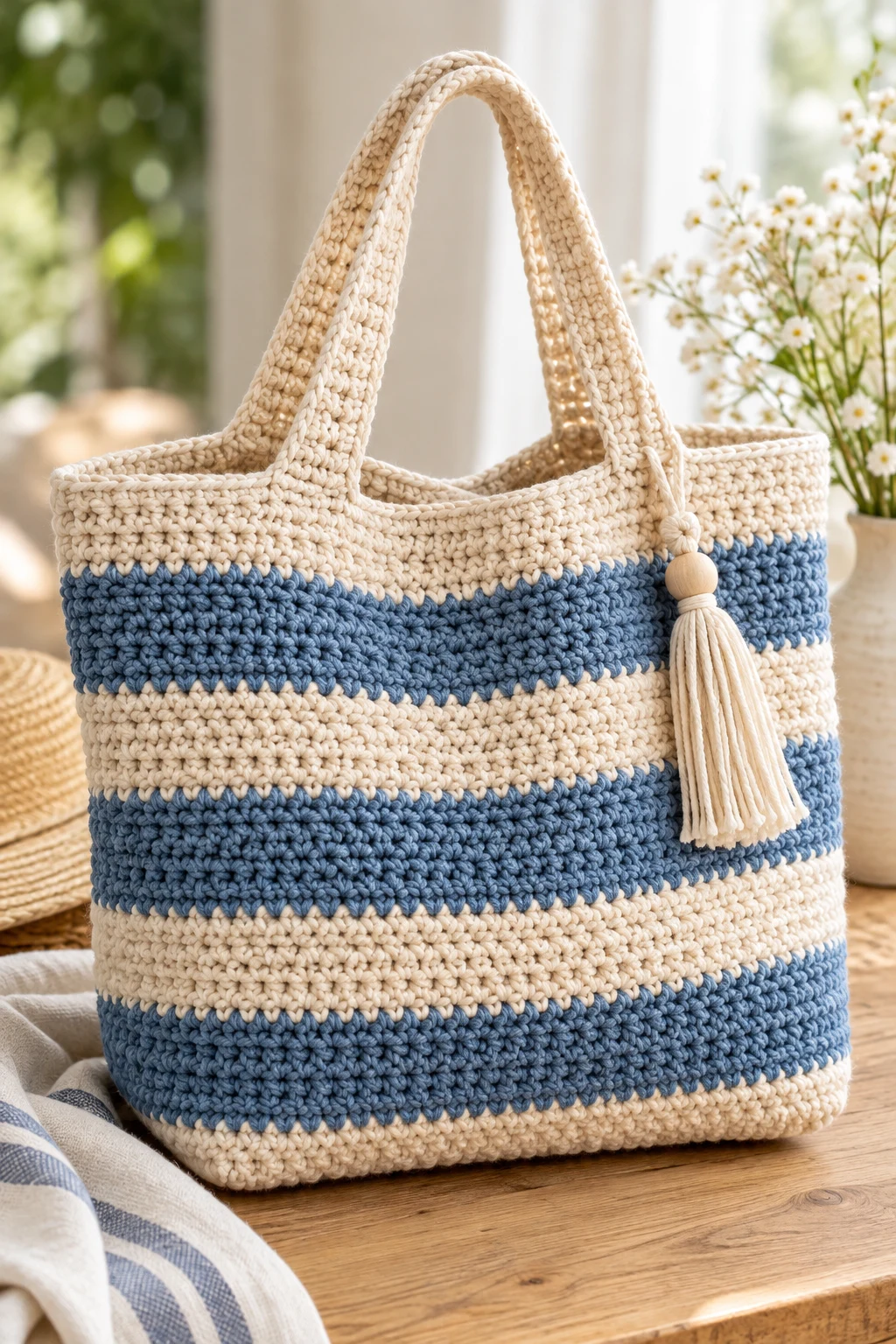
5. A Striped Weekend Tote Bag
A knitted tote brings handmade charm to grocery runs, visits, and weekend outings. Among creative Knitting Tutorials, this project stands out because you can customize the colors, dimensions, and handles to match your personal style.
Use sturdy cotton yarn, medium knitting needles, and fabric lining or wooden bag handles if your design calls for them. Knit two rectangular panels in stripes of cream, mustard yellow, and sage green. Seam the panels, add a knitted base if desired, and attach strong handles. A lining can help prevent small objects from slipping through the stitches.
Pro tip: Choose a dense stitch and reinforce the handles, especially if you plan to carry books or groceries.
The key to this look and technique is firm fabric construction with reinforced seams and handles that support the bag’s weight.
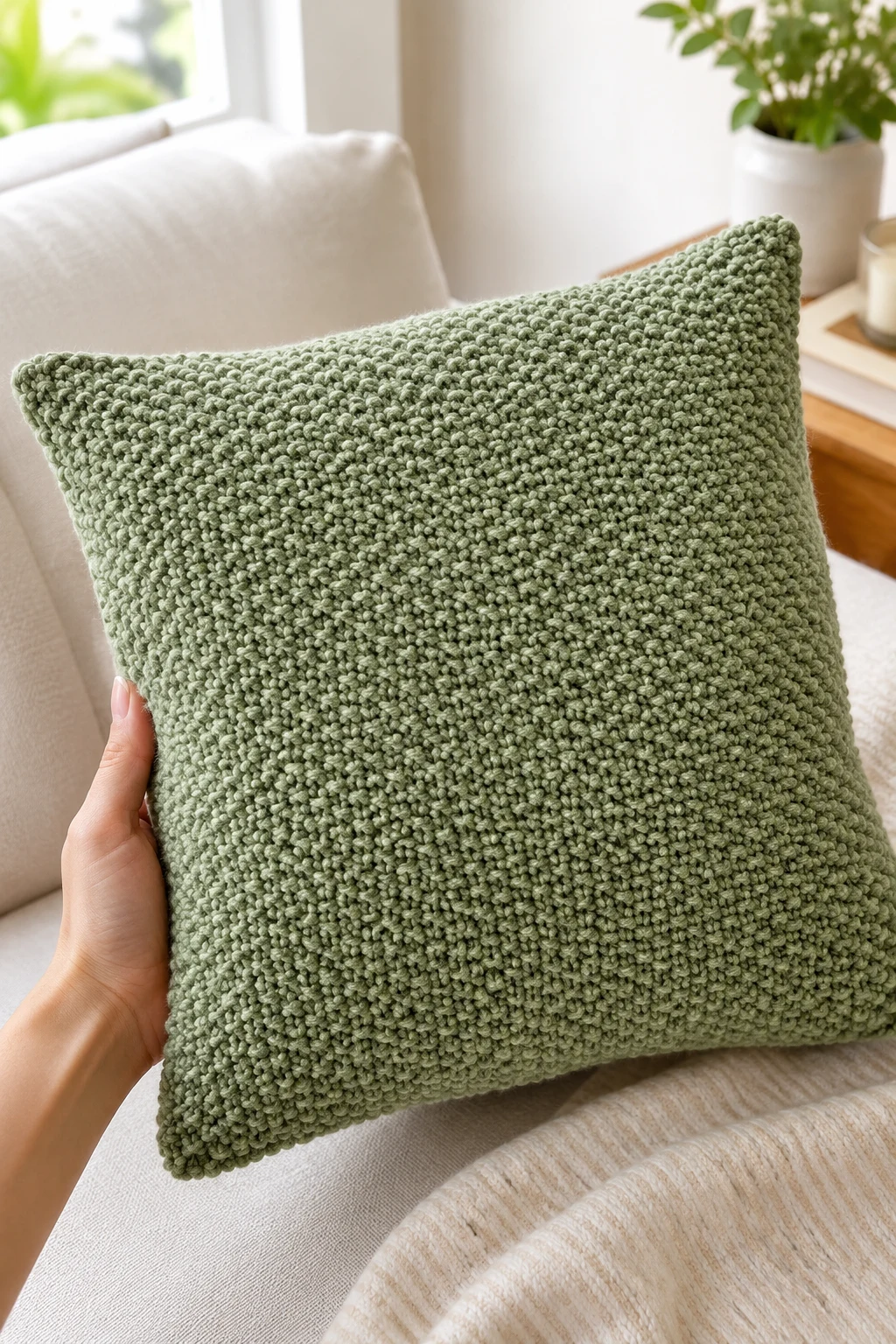
6. A Textured Seed-Stitch Cushion Cover
Want to refresh your living room without buying new furniture? These Knitting Tutorials show how a simple cushion cover can introduce handmade texture to a neutral sofa, reading chair, or bedroom.
Gather medium-weight yarn, straight or circular needles, a cushion insert, and a yarn needle. Seed stitch alternates knit and purl stitches to produce a small, pebbled texture. Knit two panels to fit your cushion, then seam three sides and add buttons, ties, or a zipper along the remaining edge.
Cream, oatmeal, and warm gray suit minimalist interiors, while rust or forest green creates a richer seasonal accent.
Pro tip: Check your gauge before knitting the full panels so the cover fits the insert without stretching excessively.
The key to this look and technique is alternating knit and purl stitches to create an attractive, reversible texture.
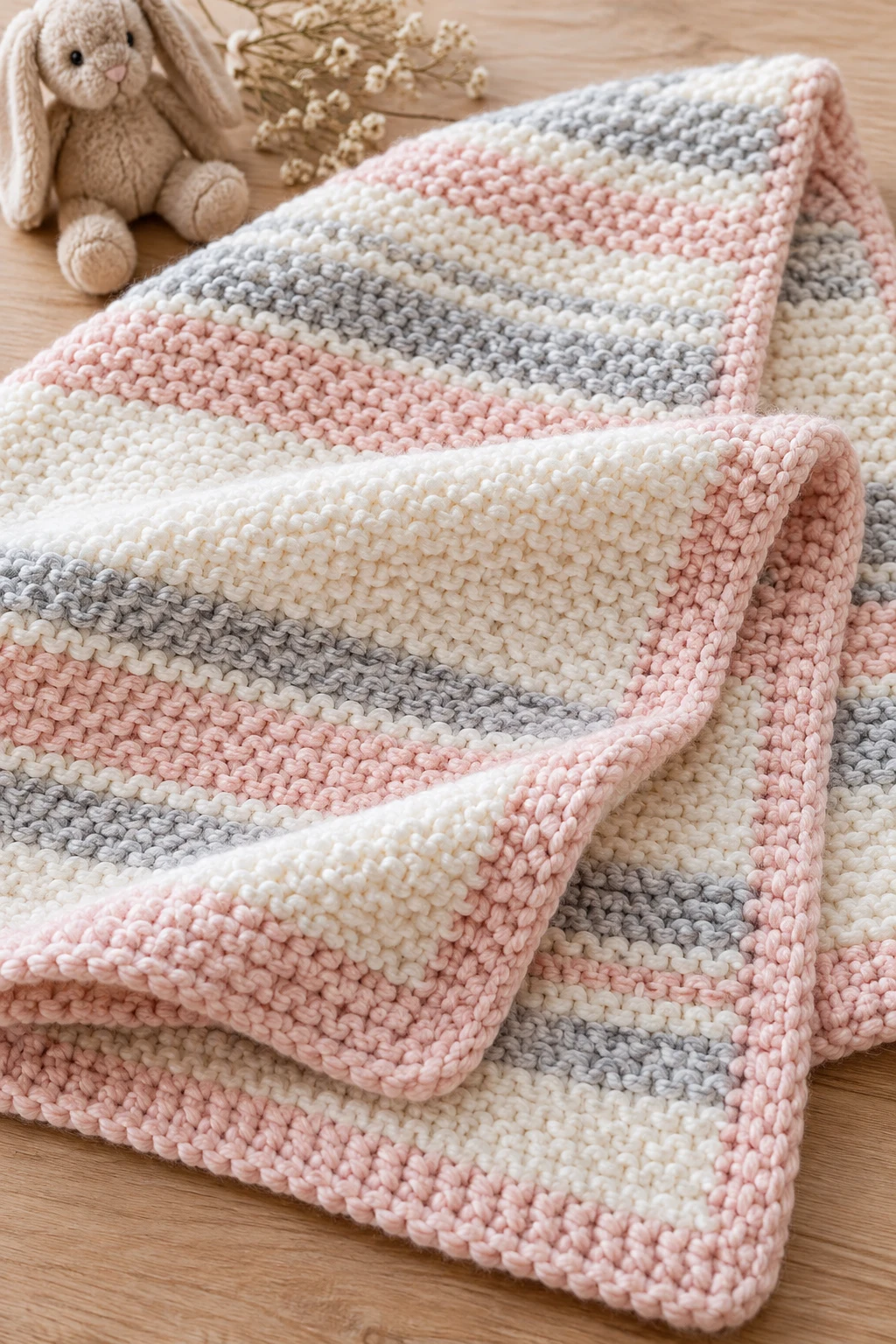
7. A Simple Knitted Baby Blanket
A baby blanket is a meaningful handmade gift for a baby shower, new arrival, or nursery makeover. These Knitting Tutorials help you practice repetitive stitches while producing a larger project that feels rewarding row after row.
Select machine-washable baby yarn, appropriately sized needles, and stitch markers to track pattern sections. A garter-stitch blanket is an excellent first choice because you knit every row. Try cream with narrow stripes of pale blue and blush pink for a timeless design.
Pro tip: Check yarn labels for softness, care instructions, and suitability for baby items. Avoid loose embellishments that could detach, and follow safe-sleep guidance when deciding how the blanket will be used.
The key to this look and technique is a consistent stitch pattern and washable yarn that stays comfortable after repeated laundering.
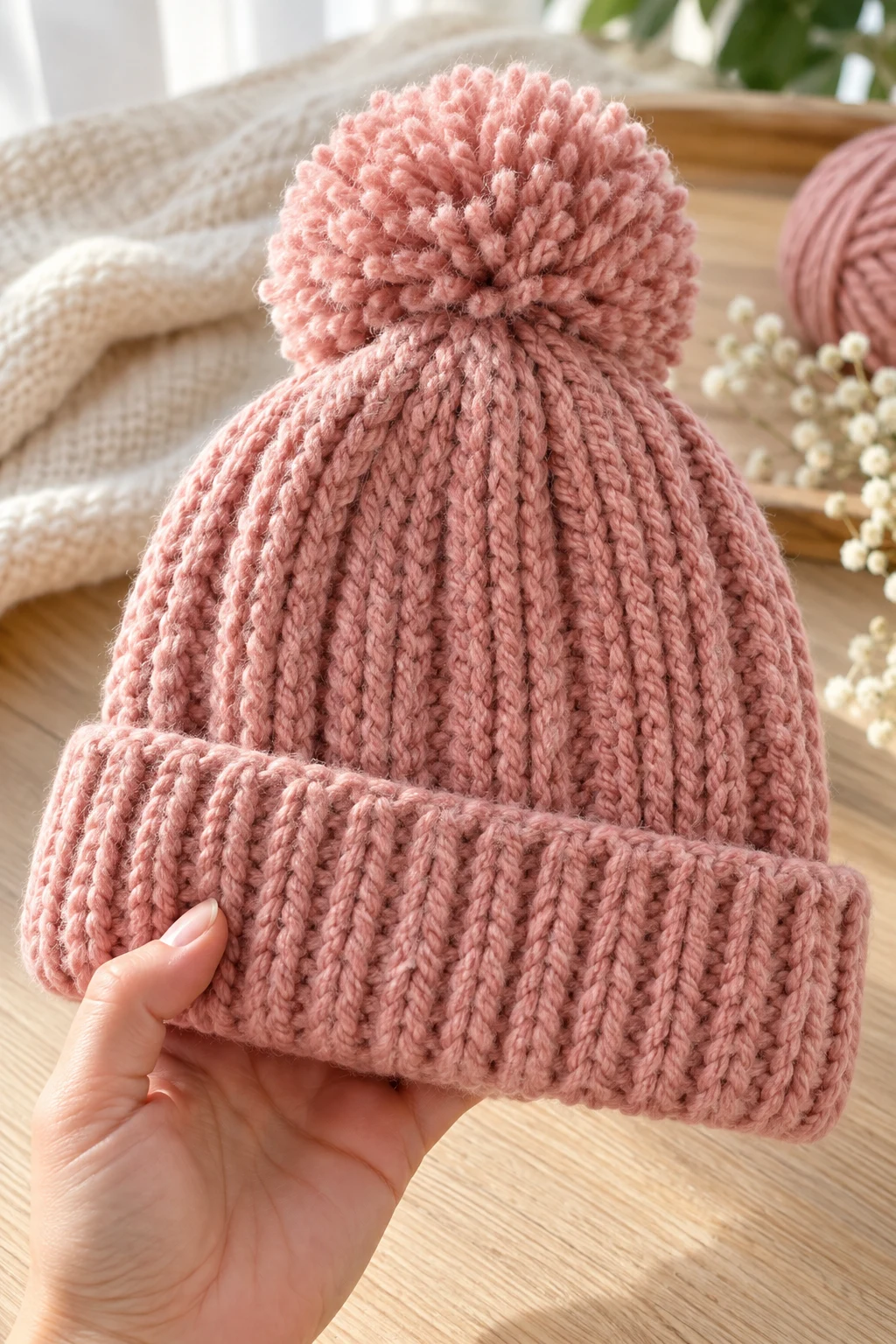
8. Knitted Beanie With a Folded Brim
A knitted beanie is a classic cold-weather project that introduces shaping and knitting in the round. It looks equally good in forest green, burgundy, cream, or black, and you can make one for yourself or as a personalized winter gift.
You will need worsted-weight yarn, circular needles, double-pointed needles or another crown-shaping method, and stitch markers. Begin with a ribbed brim, continue with stockinette stitch, and gradually decrease stitches at the crown. Follow a pattern designed for your head circumference and yarn weight.
Pro tip: Try the ribbed section on before finishing to ensure the brim stretches comfortably without slipping.
The key to this look and technique is a stretchy ribbed brim combined with evenly spaced crown decreases.
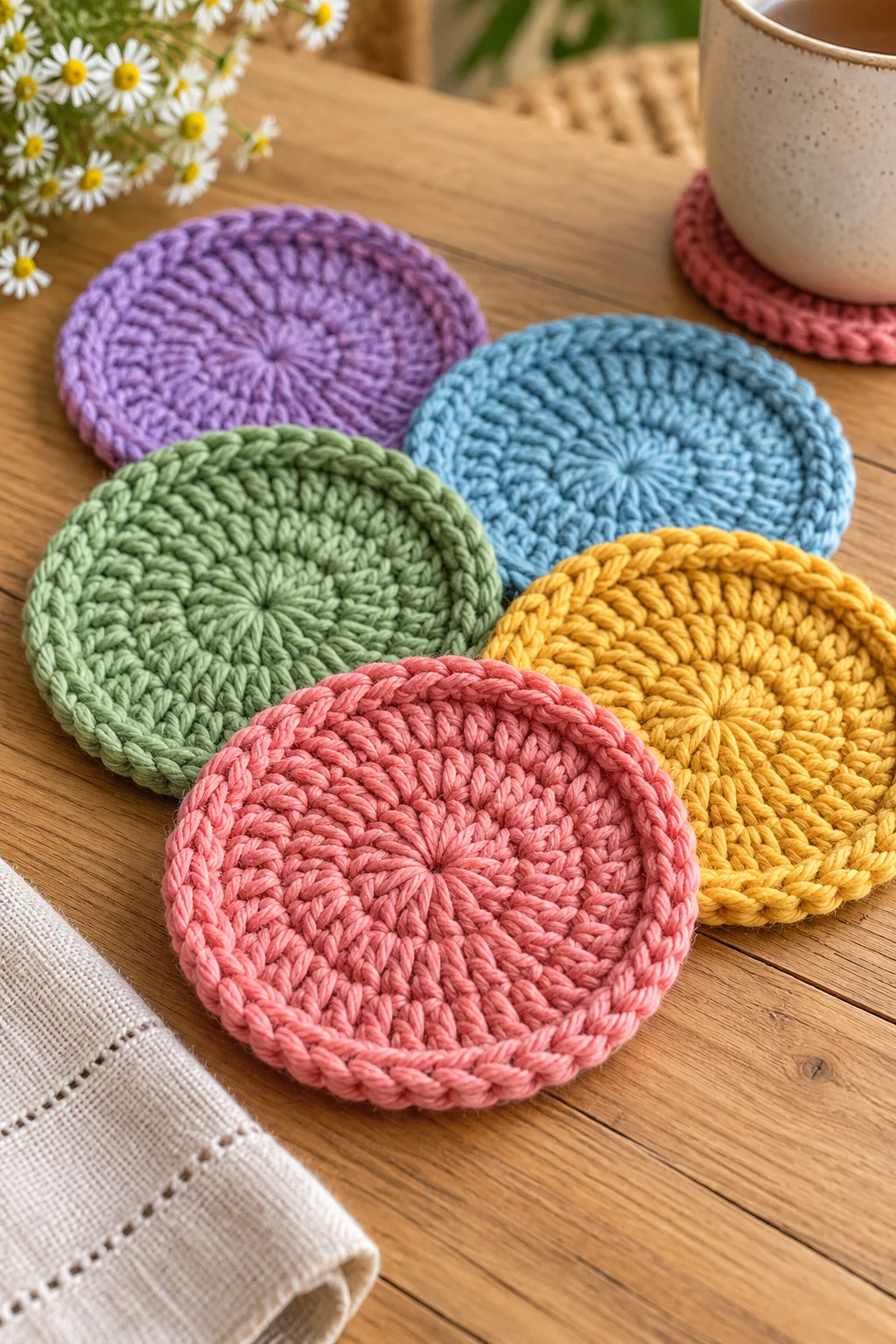
9. Colorful Knitted Coasters
Colorful coasters are among the easiest Knitting Tutorials to finish in a single afternoon. They are perfect for using leftover yarn and adding small pops of color to a coffee table, desk, or dining area.
Use cotton yarn, small knitting needles, and a tapestry needle. Knit square coasters in garter stitch or follow a circular pattern if you are comfortable increasing and decreasing stitches. Pair mustard yellow with terracotta for an autumn palette, or choose lavender and mint green for a fresher spring look.
Pro tip: Make a gauge swatch first if you want your coasters to have matching dimensions. Cotton is generally practical for washable drink accessories than delicate wool.
The key to this look and technique is a stable, absorbent fabric that lies flat beneath cups and glasses.
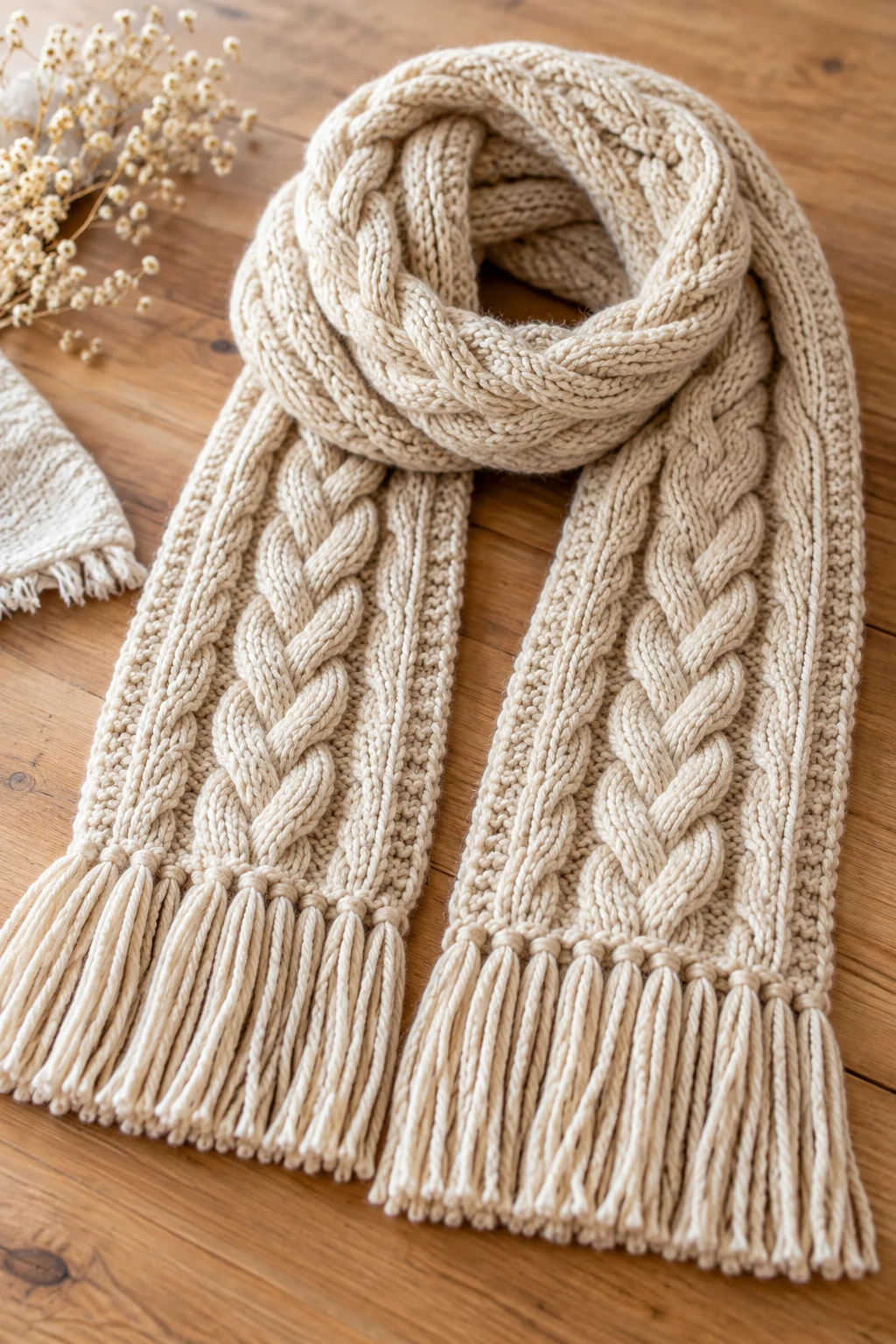
10. A Knitted Cable-Knit Scarf
Ready for a technique that looks impressive without requiring advanced construction? Cable knitting creates raised, braided patterns that make scarves feel luxurious. These Knitting Tutorials introduce the basic cable-crossing method used in many traditional sweaters and winter accessories.
Gather medium-weight wool yarn, appropriate knitting needles, and a cable needle. Work a few rows of ribbing, then follow a cable chart that tells you when to move stitches onto the cable needle and knit them in a different order. Begin with a simple two-over-two cable before attempting complicated braids.
Pro tip: Place a stitch marker beside each cable repeat so you can quickly identify pattern mistakes.
The key to this look and technique is crossing stitches in a consistent sequence to create a raised, braided design.
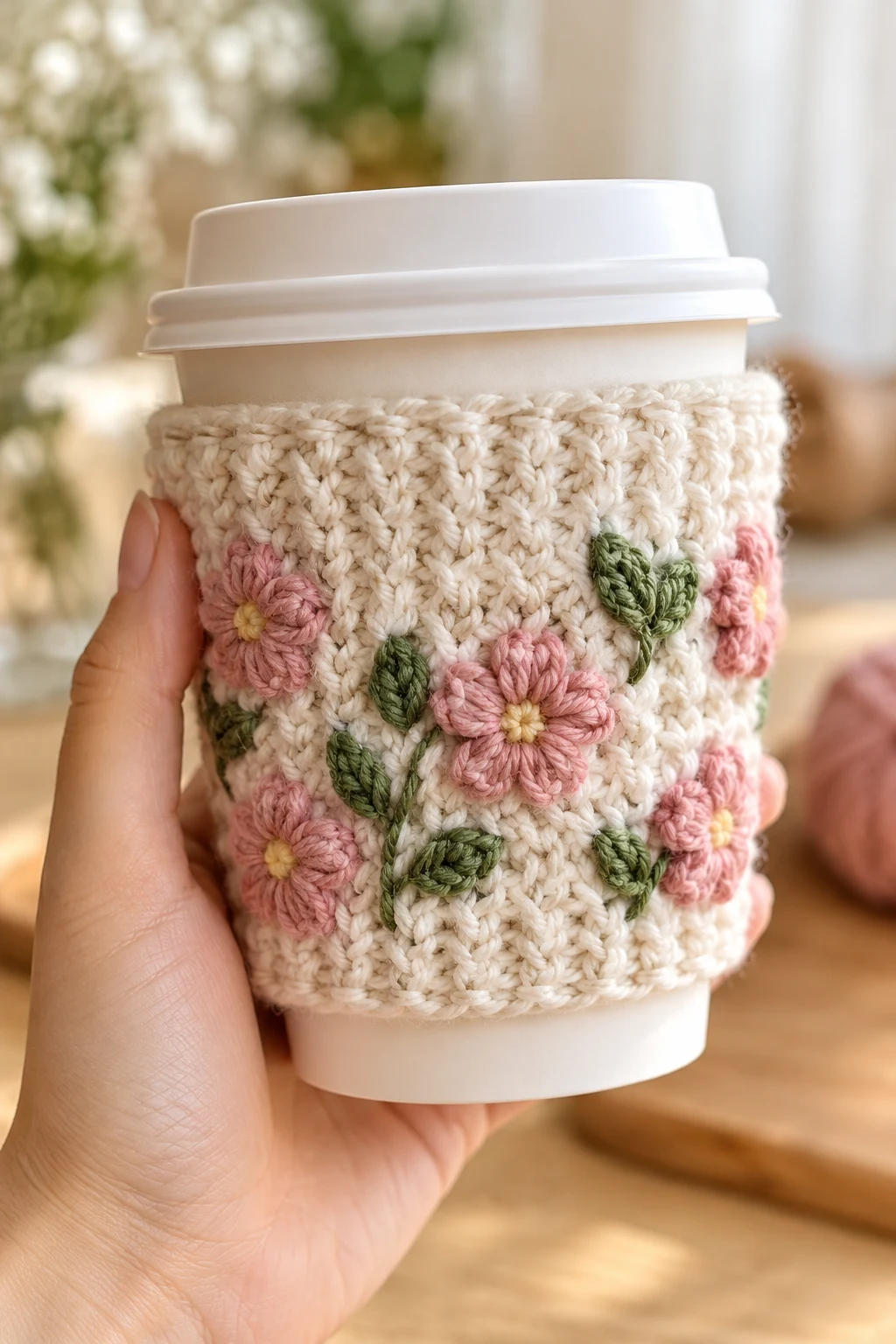
11. A Knitted Coffee Cup Cozy
A coffee cup cozy is a small, useful project for anyone exploring Knitting Tutorials free online. It makes a charming gift for coffee lovers and offers an easy way to practice ribbing without buying much yarn.
Choose cotton or wool-blend yarn, small knitting needles, and a yarn needle. Knit a rectangle that fits around your favorite reusable cup, then seam the short edges together. Add simple stripes or a decorative button, ensuring any embellishment stays clear of the drinking area.
Pro tip: Measure the cup near its widest point and account for the stretch of the stitch pattern. Keep the cozy away from direct contact with hot liquid.
The key to this look and technique is a snug, stretchy band that fits the cup securely without slipping.
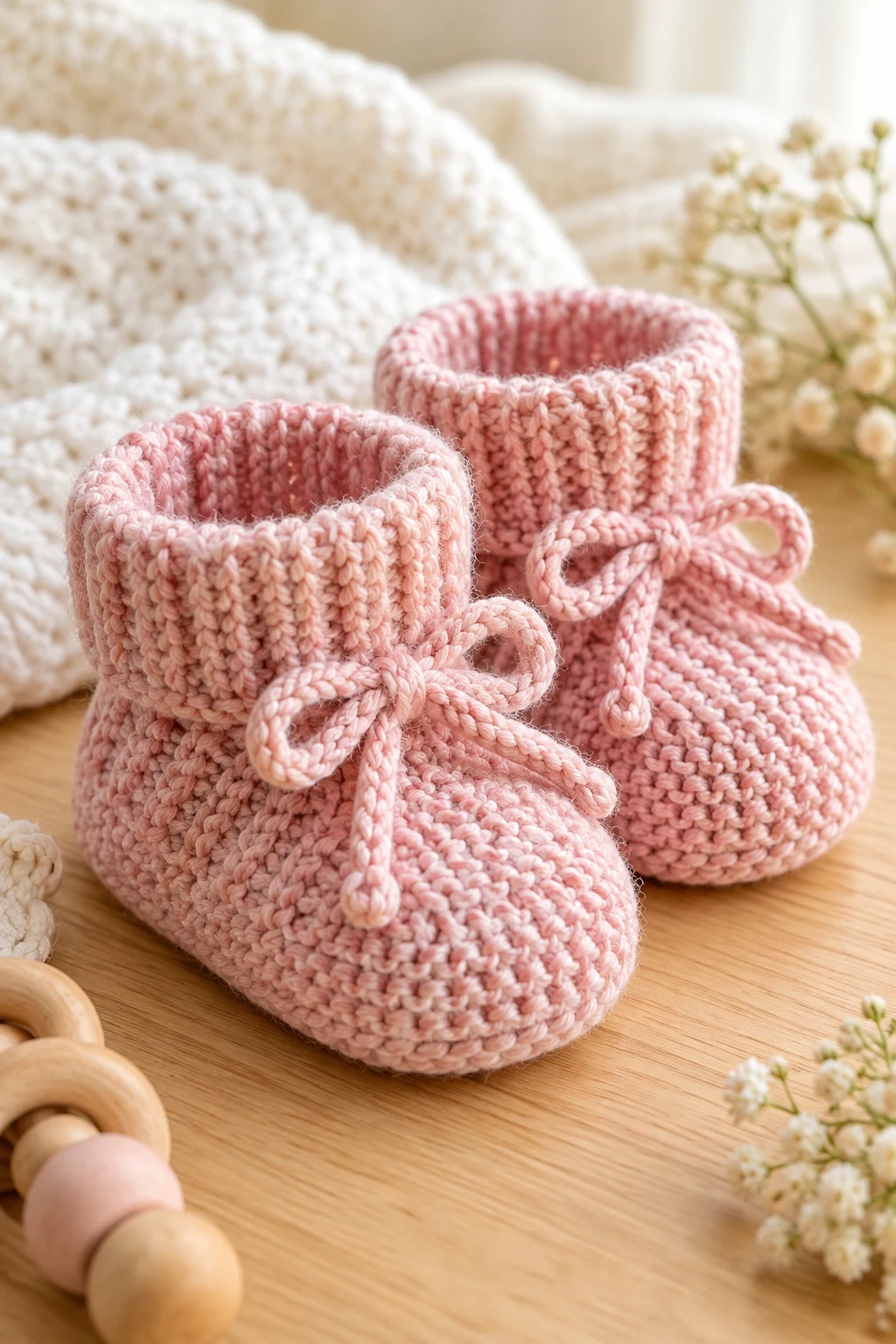
12. Knitted Baby Booties
Tiny booties are delightful for knitters who want to practice shaping on a smaller scale. Their compact size makes them suitable for baby showers, keepsake gifts, and coordinated handmade sets.
For this project, use soft washable yarn, small needles, and stitch markers. Many patterns begin with the sole, build up the sides, and shape the toe before finishing the ankle cuff. Choose cream with dusty blue trim or blush pink with ivory for a sweet, classic color combination.
Pro tip: Follow a pattern with clear measurements rather than relying on age alone, since baby feet vary in size. Keep decorative parts securely attached.
The key to this look and technique is accurate sole and toe shaping that creates a comfortable fit without bulky seams.
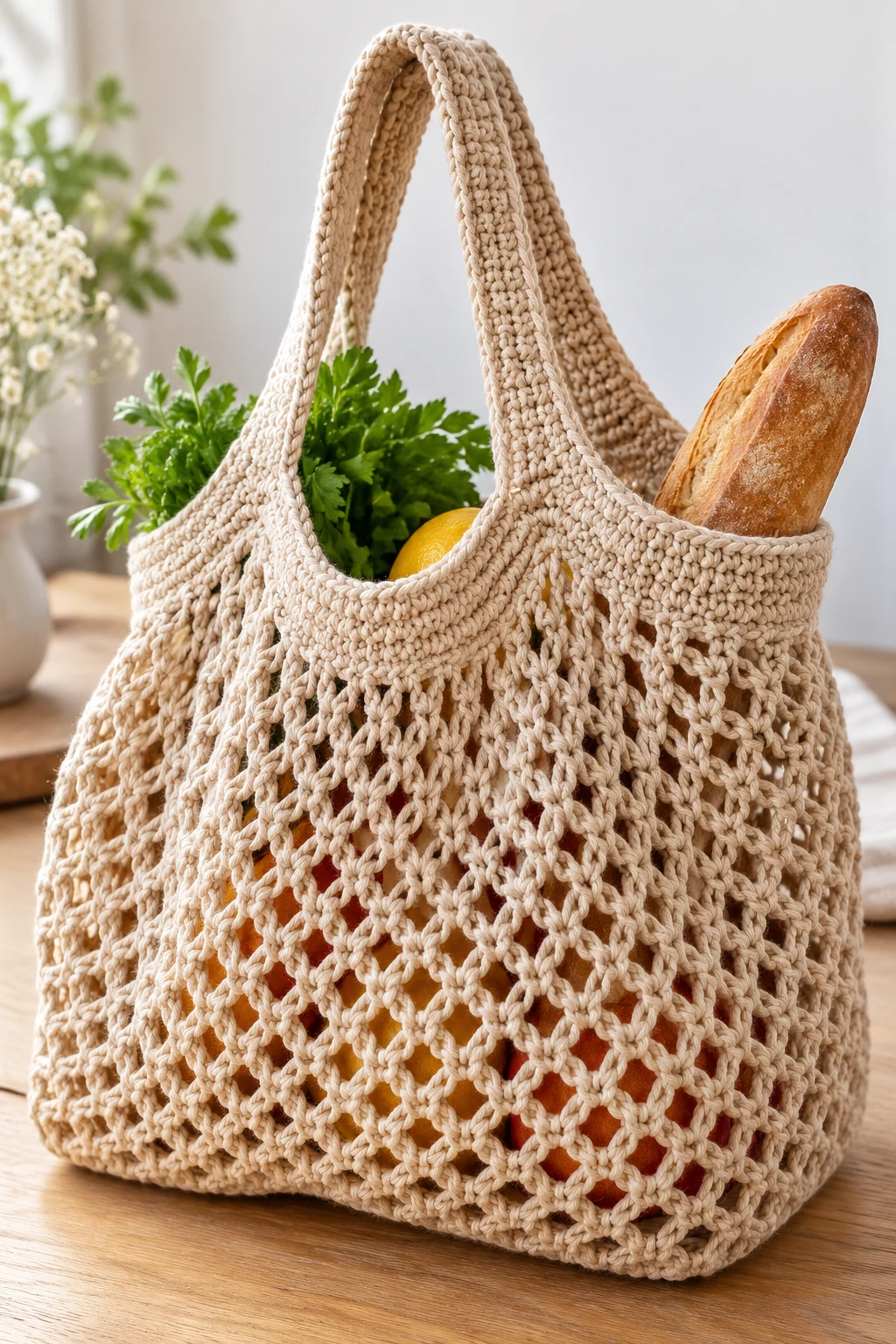
13. A Modern Knitted Market Bag
A knitted market bag is a stylish alternative to disposable shopping bags and a useful project for warmer months. Openwork stitches create a lightweight appearance, while a simple natural color keeps the finished bag versatile.
Gather strong cotton yarn, medium-sized knitting needles, and a yarn needle. Start with a sturdy base, then work a mesh pattern using yarn overs and decreases to create intentional openings. Finish with reinforced handles and consider a lining if you plan to carry small produce or delicate items.
Pro tip: Test the fabric by placing a few everyday items inside. Openwork stretches under weight, so a compact bag may become surprisingly roomy.
The key to this look and technique is balancing decorative openwork with a sturdy base and durable handles.
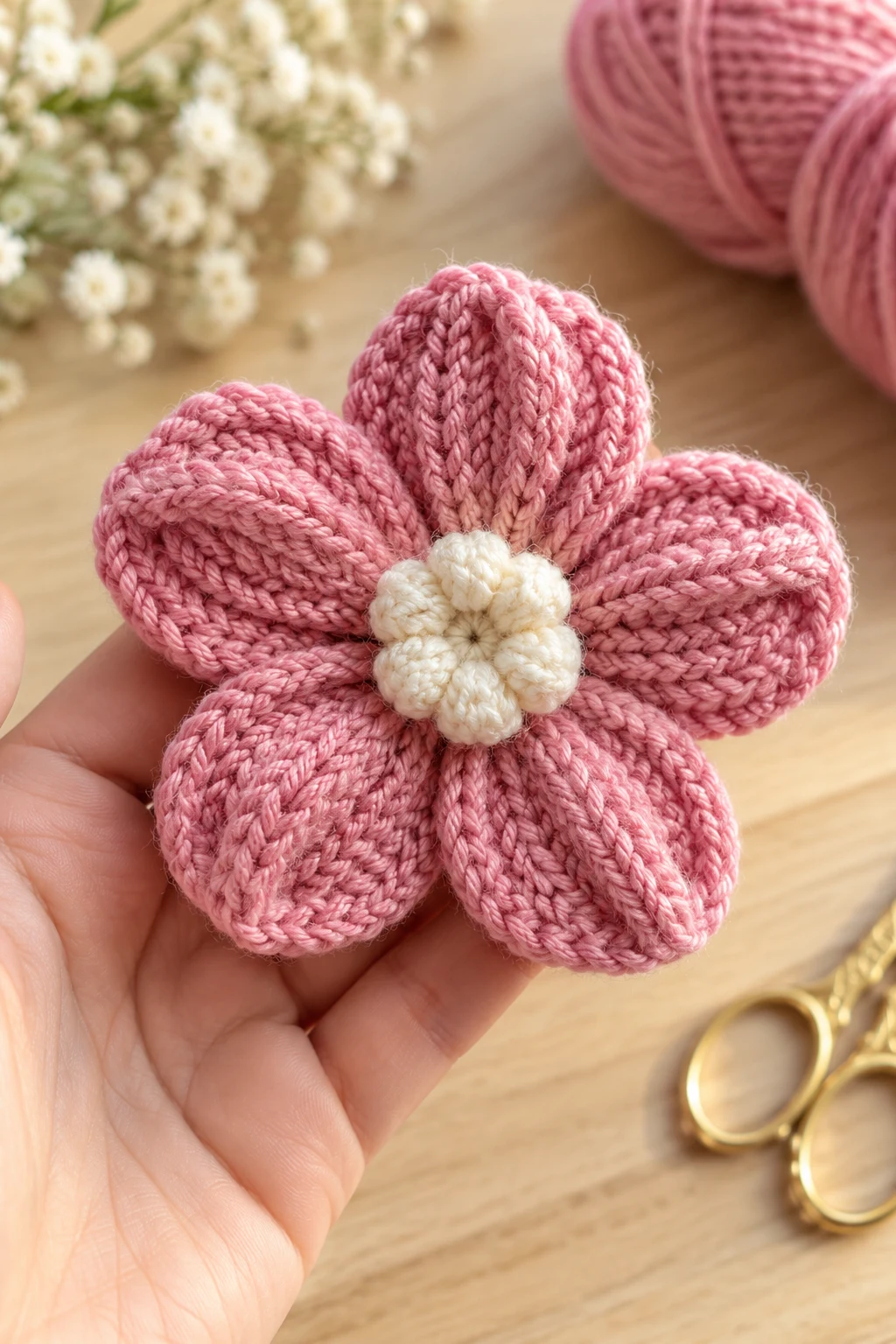
14. A Knitted Flower Appliqué
If you love small details, flower appliqués are delightful Knitting Tutorials for using leftover yarn. These tiny blooms can decorate headbands, cushion covers, gift packaging, cardigans, and handmade bags.
Use small amounts of colorful yarn, fine knitting needles, and a tapestry needle. Follow a flower pattern that creates individual petals, then gather or seam the pieces into shape. Add a small contrasting center in mustard yellow and knit a green leaf for extra detail.
Pro tip: Practice with smooth yarn first because very fuzzy fibers can hide the petal definition. Secure the appliqué firmly to the finished project.
The key to this look and technique is shaping individual petals evenly and joining them securely to create a recognizable flower.
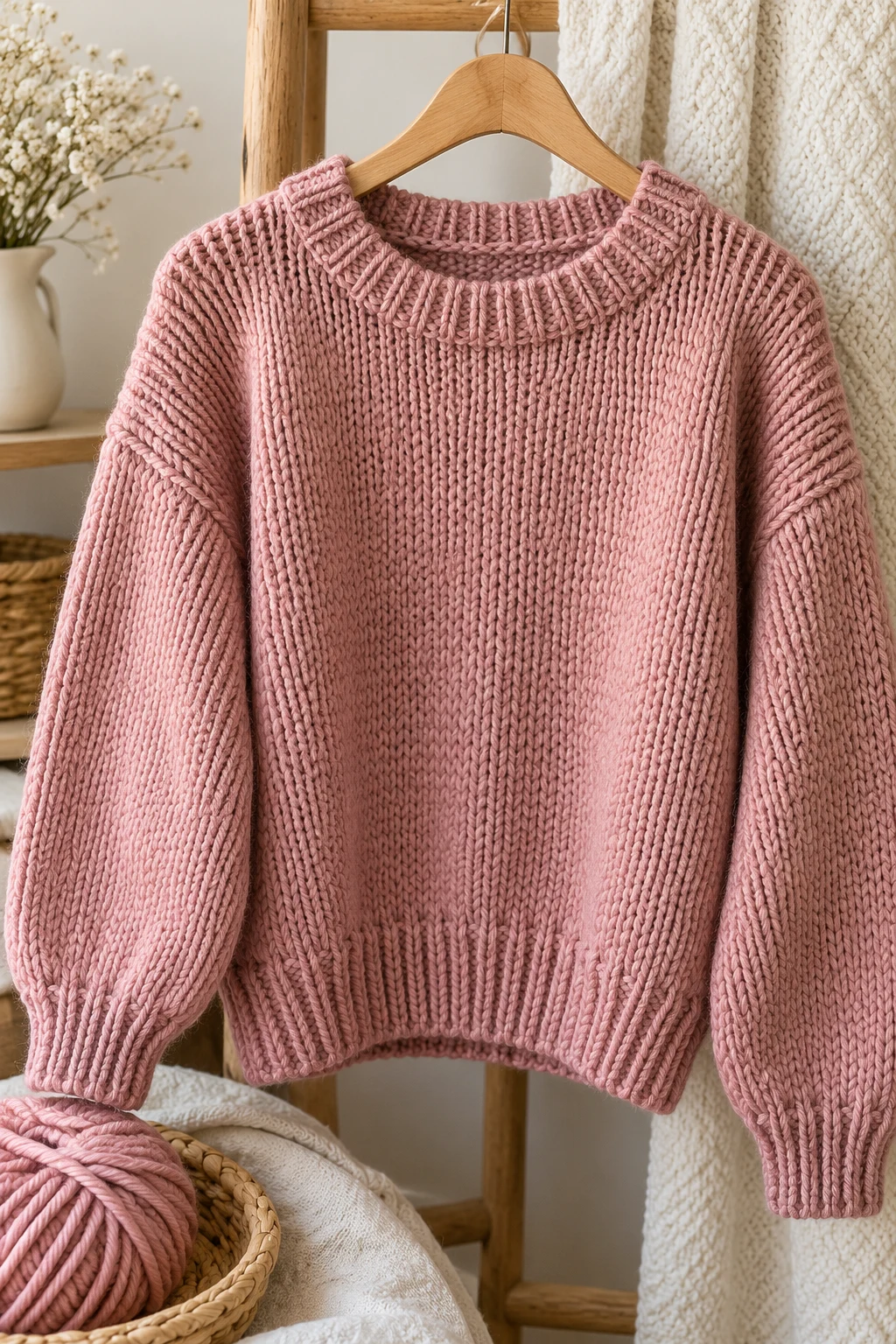
15. A Beginner-Friendly Knitted Sweater
A sweater may seem ambitious, but beginner-friendly patterns make this wearable project approachable than you might expect. Look for a relaxed-fit design with minimal shaping, straightforward sleeves, and a simple crew neckline.
You will need worsted-weight yarn, circular needles, stitch markers, and a pattern that matches your measurements. Many beginner sweaters use stockinette stitch for the body and ribbing for the cuffs and neckline. Some patterns are worked in separate pieces, while others use seamless top-down construction.
Pro tip: Make and wash a gauge swatch before starting. Small gauge differences can change the fit significantly, and checking early saves hours of re-knitting.
The key to this look and technique is accurate gauge, careful measurement, and following the construction instructions in the correct order.
Frequently Asked Questions About Knitting Tutorials
What are the best Knitting Tutorials for beginners?
The best Knitting Tutorials for beginners cover casting on, the knit stitch, the purl stitch, binding off, and weaving in ends. Start with a dishcloth or chunky scarf before progressing to shaped accessories.
How can I find Knitting Tutorials free on YouTube?
Search for beginner knitting lessons that demonstrate each step clearly, including close-ups of needle movements and explanations of stitch tension. Many knitting tutorials on offer free demonstrations, and you can pause or replay difficult sections at your own pace.
Why should beginners practice knitting swatches?
Swatches help you learn how yarn, needles, and stitch patterns work together before you commit to a full project. They also let you measure gauge, check fabric texture, and identify tension problems early.
The Bottom Line
Knitting Tutorials make it easier to turn simple yarn into useful accessories, thoughtful gifts, and beautiful home decor. Start with a chunky scarf, cotton dishcloth, or pink headband, then explore cables, openwork, and sweater construction as your confidence grows. Choose that fit your current skill level, invest in comfortable knitting needles and quality yarn, and remember that mistakes are part of learning. Experienced knitters also recommend checking gauge and reading pattern instructions before starting a new design. Most importantly, enjoy the process. Every finished project gives you another skill to build on—and another reason to reach for your yarn basket.
📚 You Might Also Like
- How to Make How to crochet a tote bag (Free Pattern)Easy Mesh Crochet Tote Bag Pattern for Beginners If you have ever wanted to learn how to crochet a t…
- Crochet tote bag tutorials — Easy Step-by-Step TutorialEasy Crochet Mesh Tote Bag for Everyday Carry Crochet tote bag tutorials are one of my favorite ways…
- Crochet bag tutorials — Easy Step-by-Step TutorialChunky Crochet Bag That’s Quick & Beginner-Friendly If you love crochet bag tutorials, this simp…
- Ideas a crochet granny square pattern: 20 Ultimate DIYideas a crochet granny square pattern can turn a few balls of yarn into everything from a colorful b…