
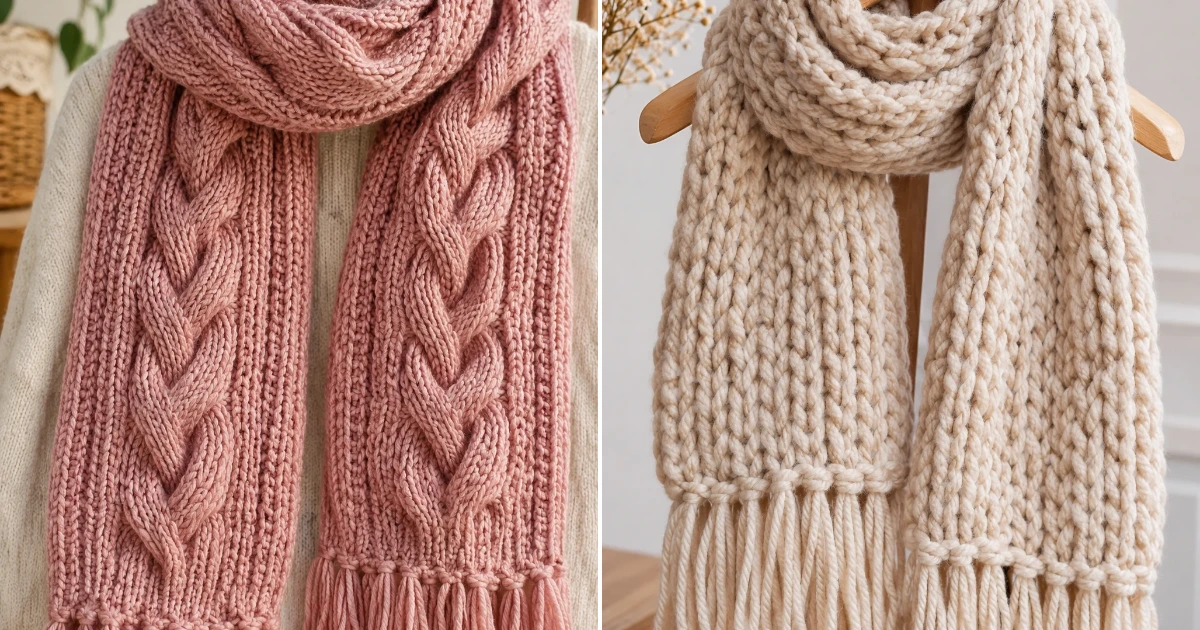
A knitting scarf is a handmade fabric accessory created by using knitting needles and yarn to produce a warm, stylish, and functional neck wrap. Whether you love chunky winter accessories, delicate textures, or colorful statement pieces, making a knitting scarf gives you endless opportunities to experiment with stitches, colors, and yarn types. The best part? You don’t need years of knitting experience to create something beautiful. From beginner-friendly garter stitch designs to elegant cable-knit scarves, there’s a project for every skill level. With the right yarn, a comfortable pair of needles, and a little creativity, you can make personalized accessories for yourself, friends, or family. These 12 ideas offer plenty of inspiration for your next cozy handmade project.
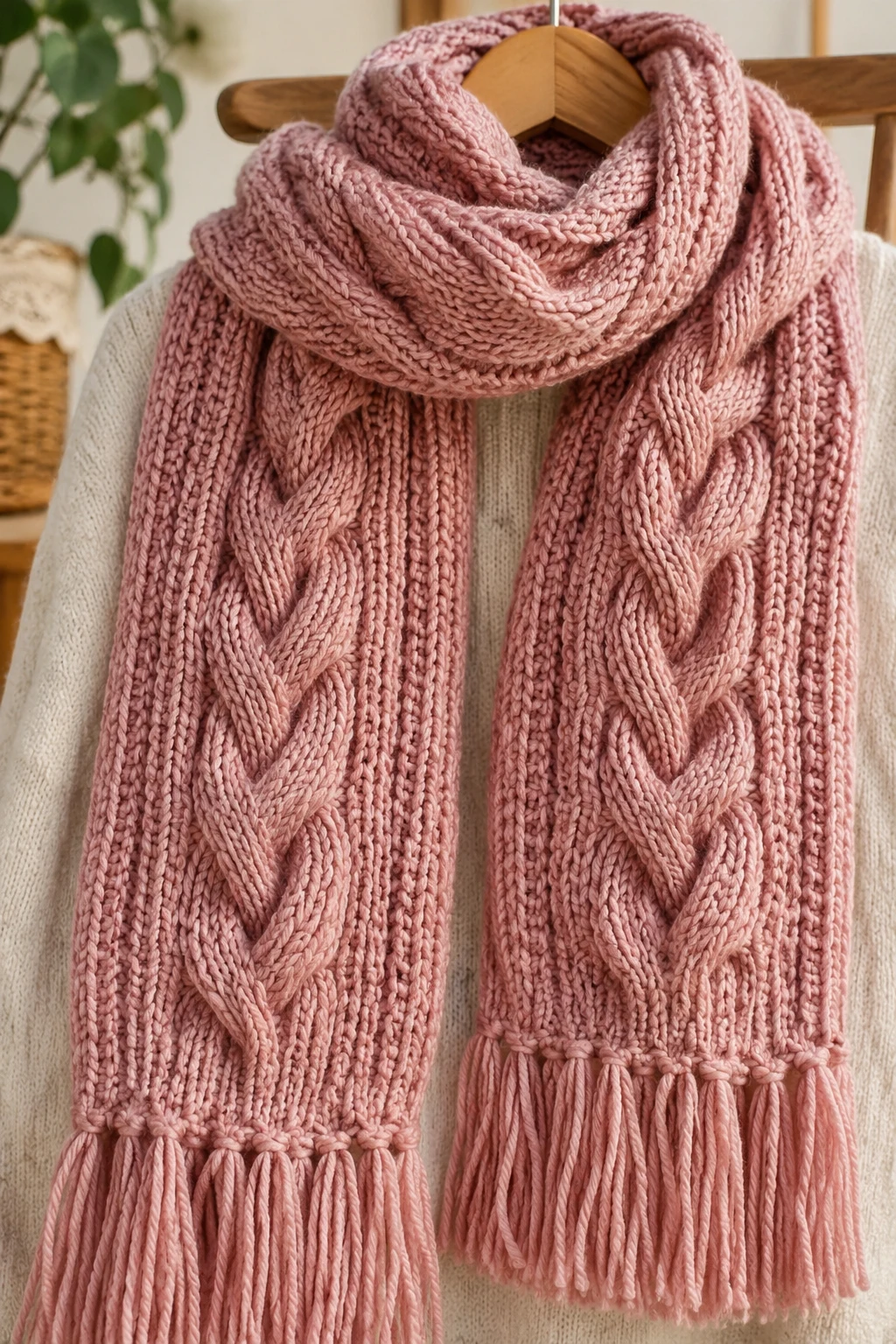
1. Classic Chunky Knit Scarf — knitting
If you want a knitting scarf that looks luxurious without requiring complicated techniques, a classic chunky design is an excellent starting point. Use thick merino wool or a soft acrylic-blend yarn in cream, oatmeal, charcoal gray, or warm camel. These colors create a timeless winter accessory that pairs beautifully with long coats, puffer jackets, and oversized sweaters.
Choose large knitting needles, around 10–15 mm depending on your yarn, to create oversized stitches with plenty of texture. A simple garter stitch works particularly well because you knit every row, making this project approachable even if you’re still learning.
Pro tip: Keep your tension relaxed so the finished scarf feels soft instead of stiff. Add short fringe at both ends for a boutique-inspired finish.
The key to this look is thick yarn, oversized needles, and simple stitches that create a plush, cozy texture.
📺 Video tutorial: Classic Chunky Knit Scarf
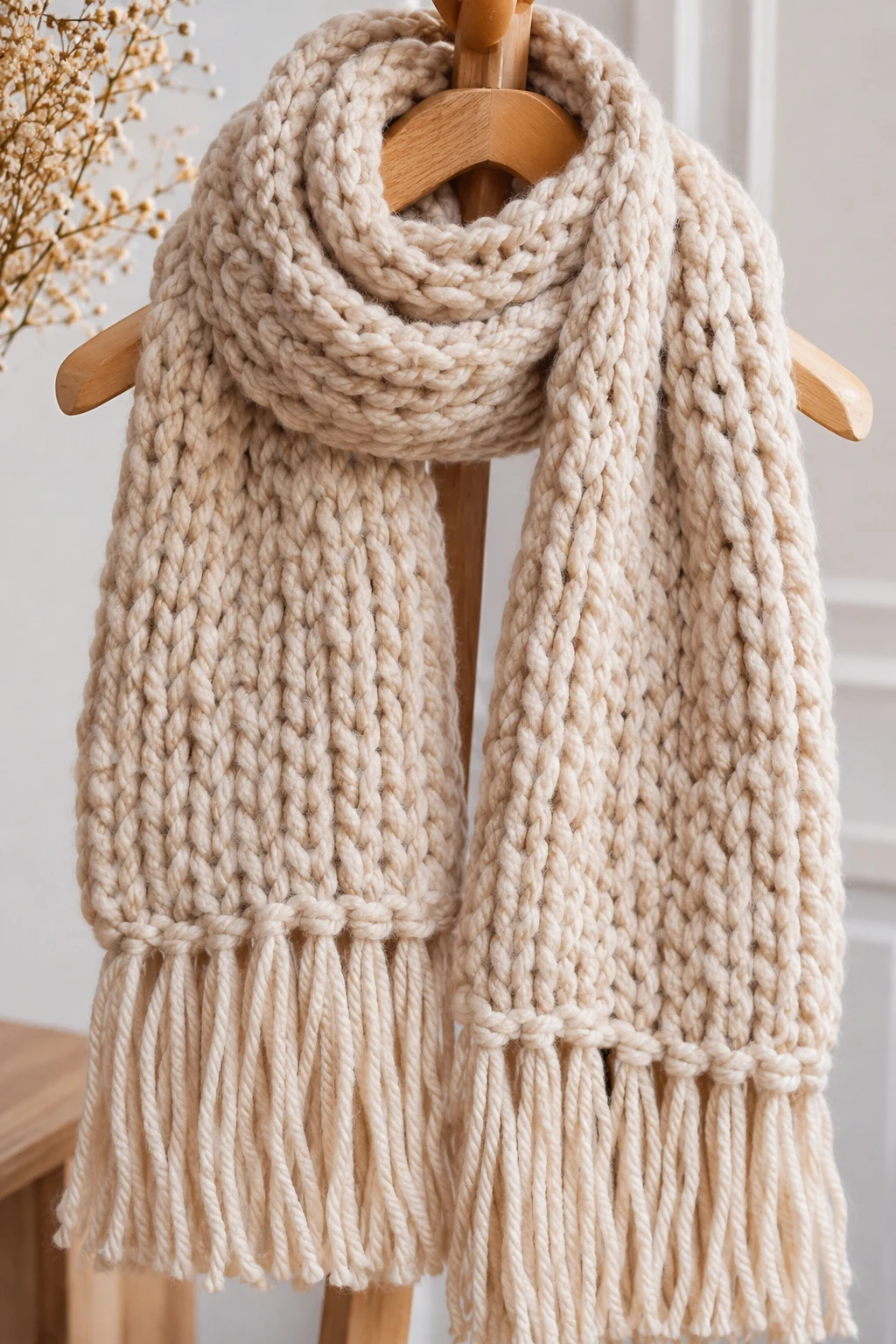
2. Soft Pastel Knitting Scarf
Pastel accessories bring a fresh touch to cold-weather outfits. For this knitting scarf, combine delicate shades such as blush pink, lavender, baby blue, butter yellow, or mint green. You can use one solid color or alternate two complementary shades to create subtle stripes.
A lightweight DK yarn or soft merino blend gives this design a beautiful drape without making it too bulky. Try stockinette stitch for a smooth finish, or use a seed stitch to add tiny textured bumps across the fabric.
This style also makes a thoughtful handmade birthday or holiday gift. Pair it with matching knitted mittens for a coordinated winter set.
Pro tip: Choose pastel yarns with similar undertones so your color combination looks intentional rather than overly busy.
The key to this look is soft pastel yarn and delicate stitch definition that creates a light, feminine accessory.
📺 Video tutorial: Soft Pastel Knitting Scarf
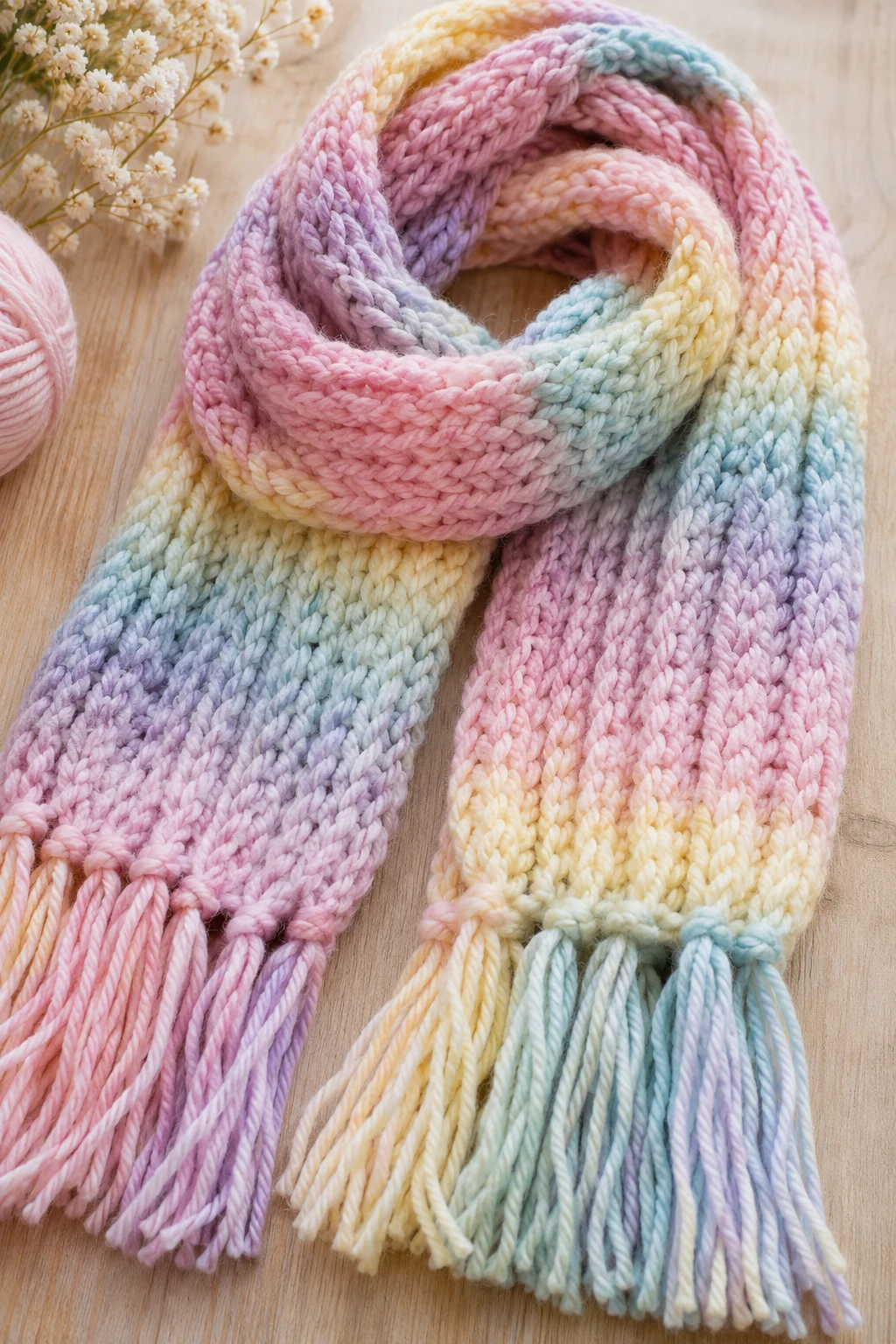
3. Beginner Garter Stitch Scarf — knitting
A garter stitch knitting scarf is one of the easiest projects for anyone learning how to knit. The technique involves knitting every row, producing distinctive horizontal ridges that give the fabric a lovely texture. You don’t need to worry about complicated patterns, counting intricate stitch combinations, or learning advanced techniques.
Choose a medium-weight yarn in mustard yellow, forest green, dusty rose, or classic cream. Start with approximately 25–35 stitches, depending on your yarn and preferred width, and continue knitting until the scarf reaches your desired length.
Pro tip: Use stitch markers to identify the edges and prevent accidentally adding or dropping stitches.
The key to this technique is knitting every row consistently, creating an attractive ridged texture with minimal effort.
📺 Video tutorial: Beginner Garter Stitch Scarf
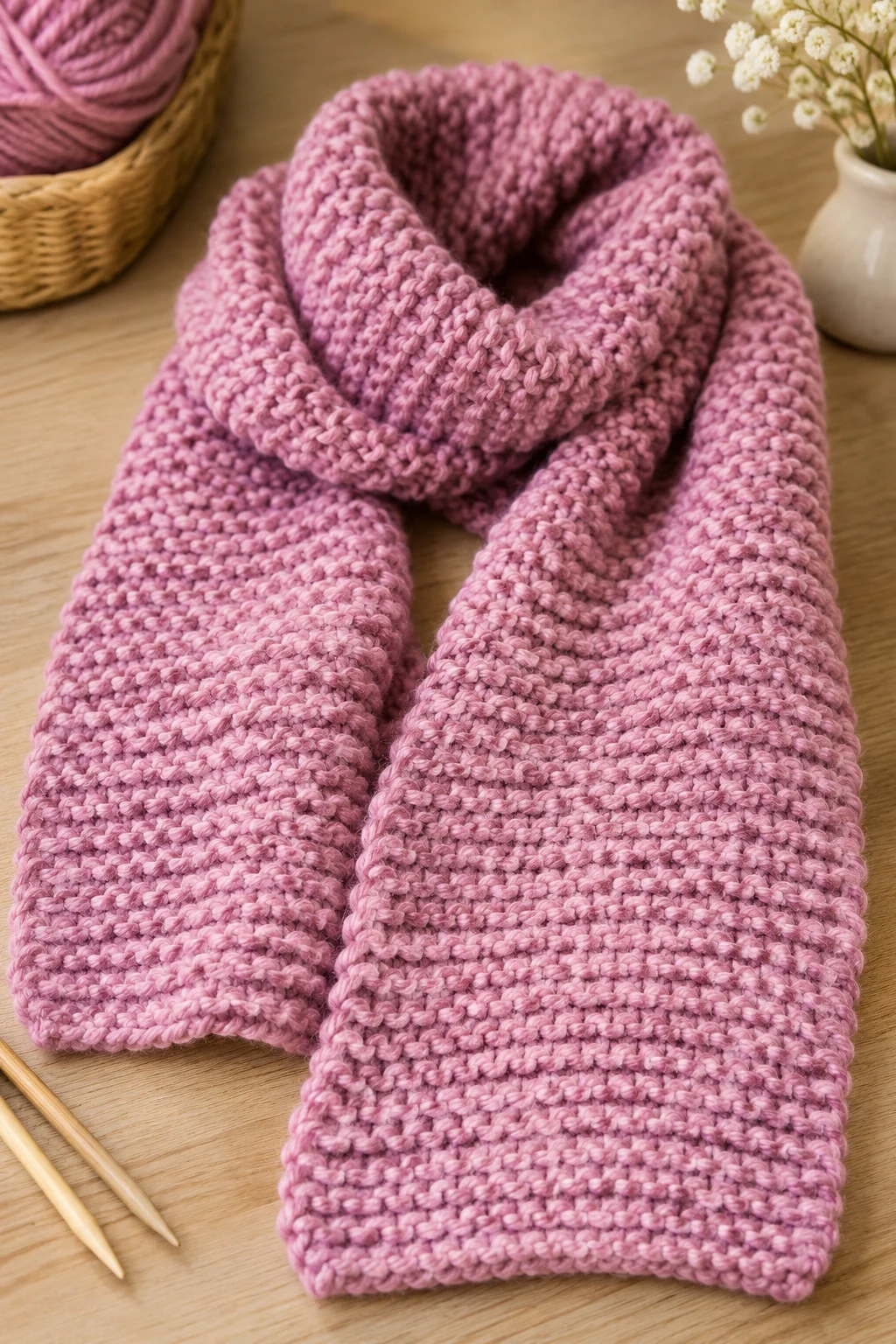
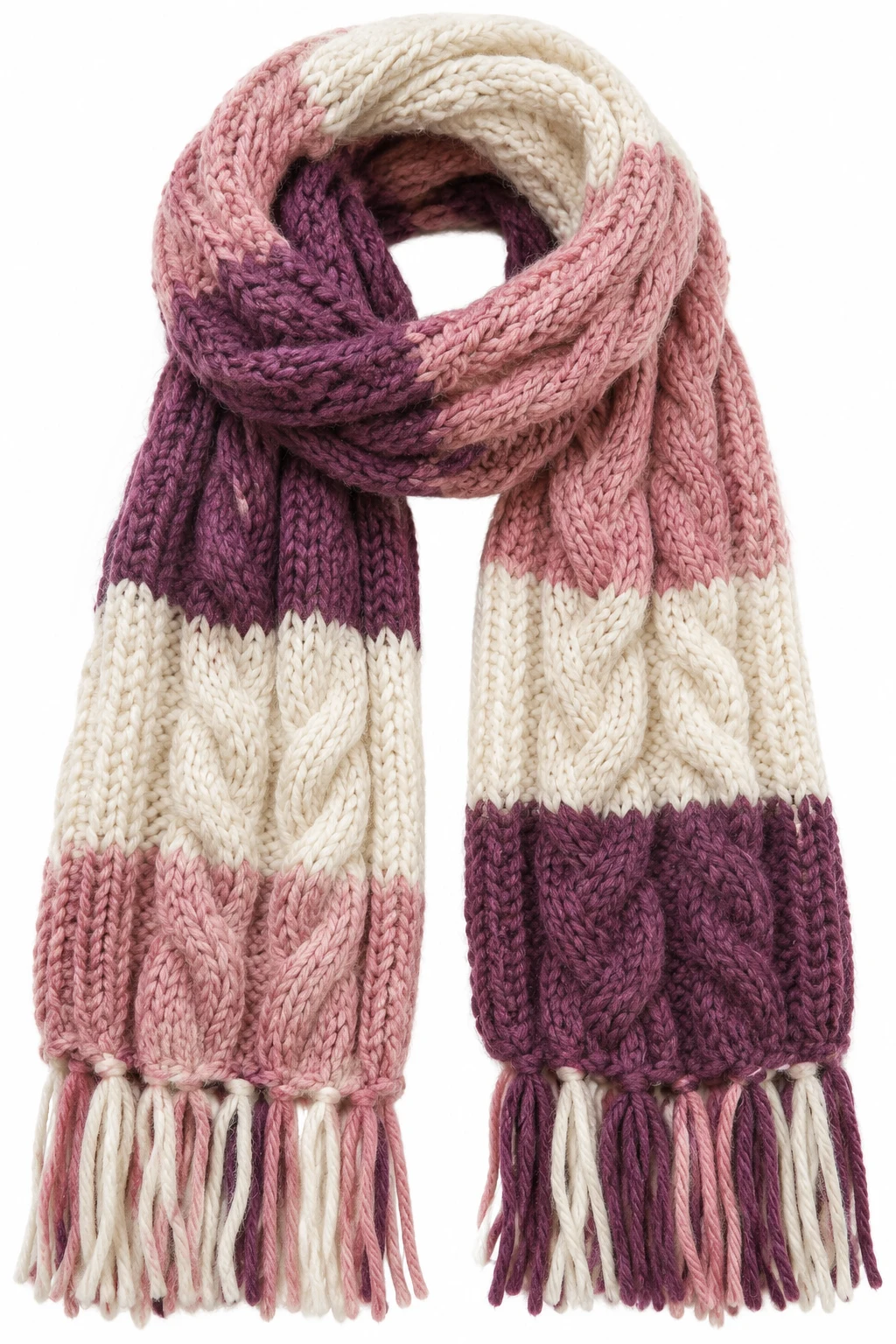
4. Elegant Cable Knit Scarf
Cable knitting creates beautiful braided designs that make even simple winter outfits look more polished. This knitting scarf features raised twists running vertically along the fabric, adding depth and dimension without requiring multiple yarn colors.
Use aran-weight wool in ivory, camel, chocolate brown, or deep burgundy. You’ll also need a pair of regular knitting needles and a cable needle to temporarily hold stitches while you work the twists.
Although cable knitting looks complicated, you can learn the basic technique with a small repeating pattern. Start with a simple six-stitch cable before experimenting with wider braids or multiple cable columns.
Pro tip: Place stitch markers around each cable section so you know exactly where to work your twists.
The key to this look is crossing selected stitches with a cable needle to create the signature braided texture.
📺 Video tutorial: Elegant Cable Knit Scarf
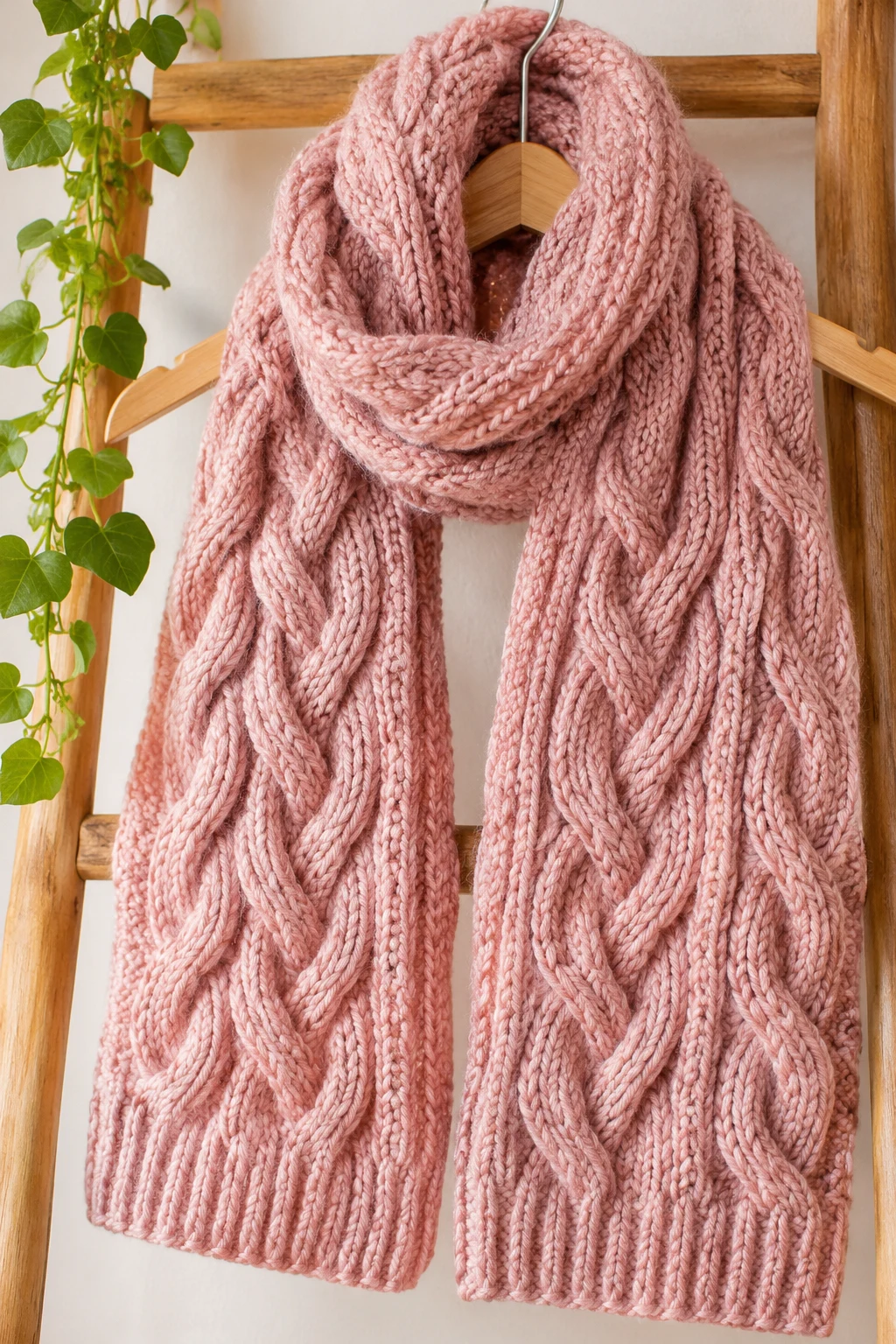
5. Striped Color-Block Scarf
Why settle for one color when you can combine several? A striped knitting scarf is perfect for using leftover yarn or creating a personalized accessory that stands out during winter.
Try a sophisticated palette of rust orange, cream, chocolate brown, and olive green. For something brighter, combine cobalt blue, coral, lavender, and sunshine yellow. Work each color for a set number of rows to create evenly spaced stripes, or vary their widths for a more playful appearance.
You can use garter stitch or stockinette stitch throughout the project. When changing colors, leave yarn tails long enough to weave them neatly into the finished fabric.
Pro tip: Avoid carrying unused yarn loosely along the edges if your stripes are wide. Cutting and weaving in the ends often produces a cleaner finish.
The key to this design is intentional color placement and consistent stripe widths that give the scarf a balanced appearance.
📺 Video tutorial: Striped Color-Block Scarf
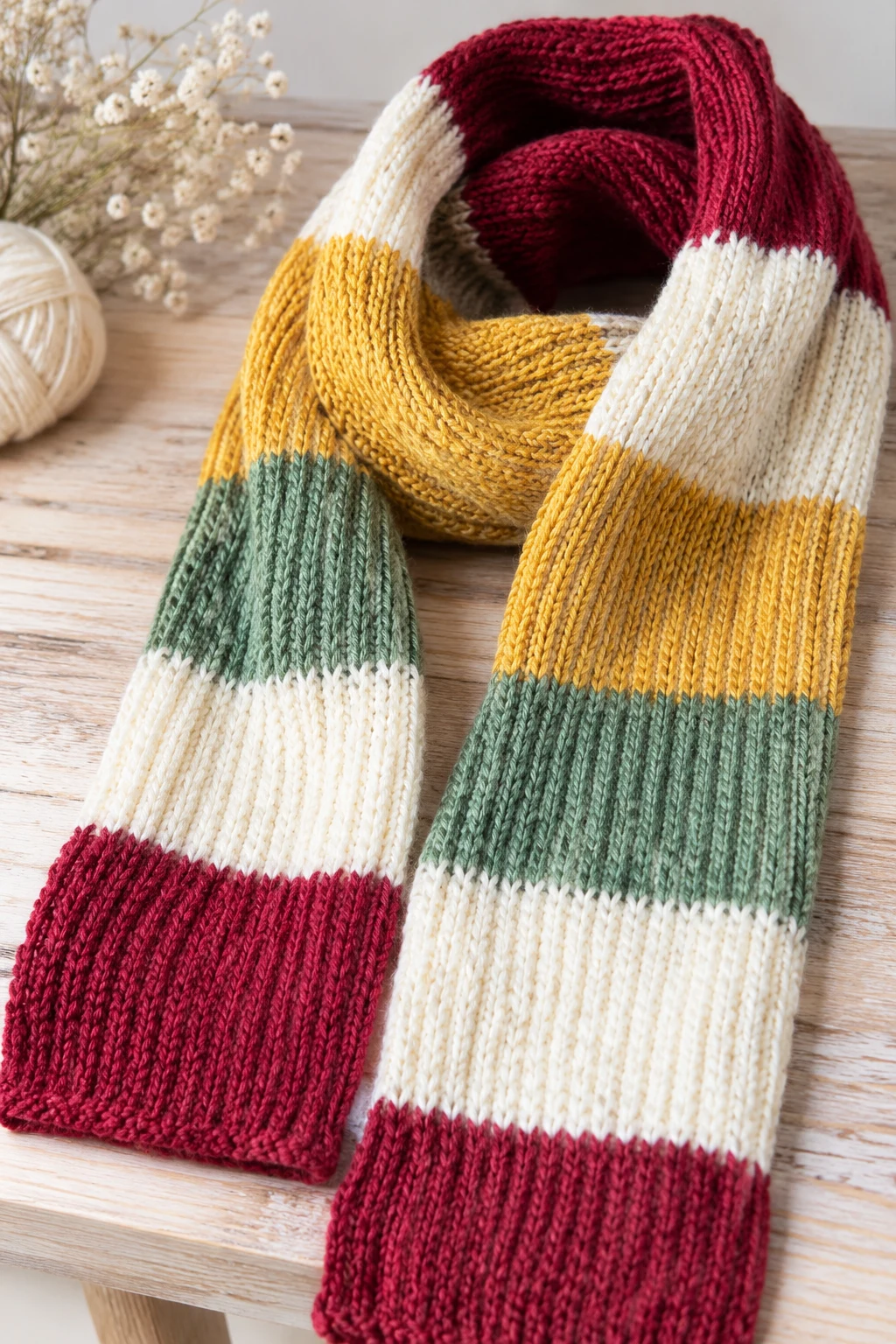
6. Oversized Infinity Knitting Scarf
An infinity scarf is a stylish alternative to the traditional long scarf. Instead of two loose ends, this design forms a continuous loop that you can wrap around your neck once or twice.
For a cozy winter version, choose bulky wool in oatmeal, charcoal, cream, or dusty pink. Knit a long rectangular piece and sew its short ends together using a tapestry needle. Alternatively, explore circular knitting techniques if you prefer working without a visible seam.
The finished accessory looks particularly beautiful with wool coats, denim jackets, and oversized knitwear. You can also experiment with ribbing to give the scarf extra stretch.
Pro tip: Check the circumference before joining the ends. You want enough room for comfortable wrapping without making the loop excessively loose.
The key to this design is creating a continuous knitted loop that offers warmth and easy styling.
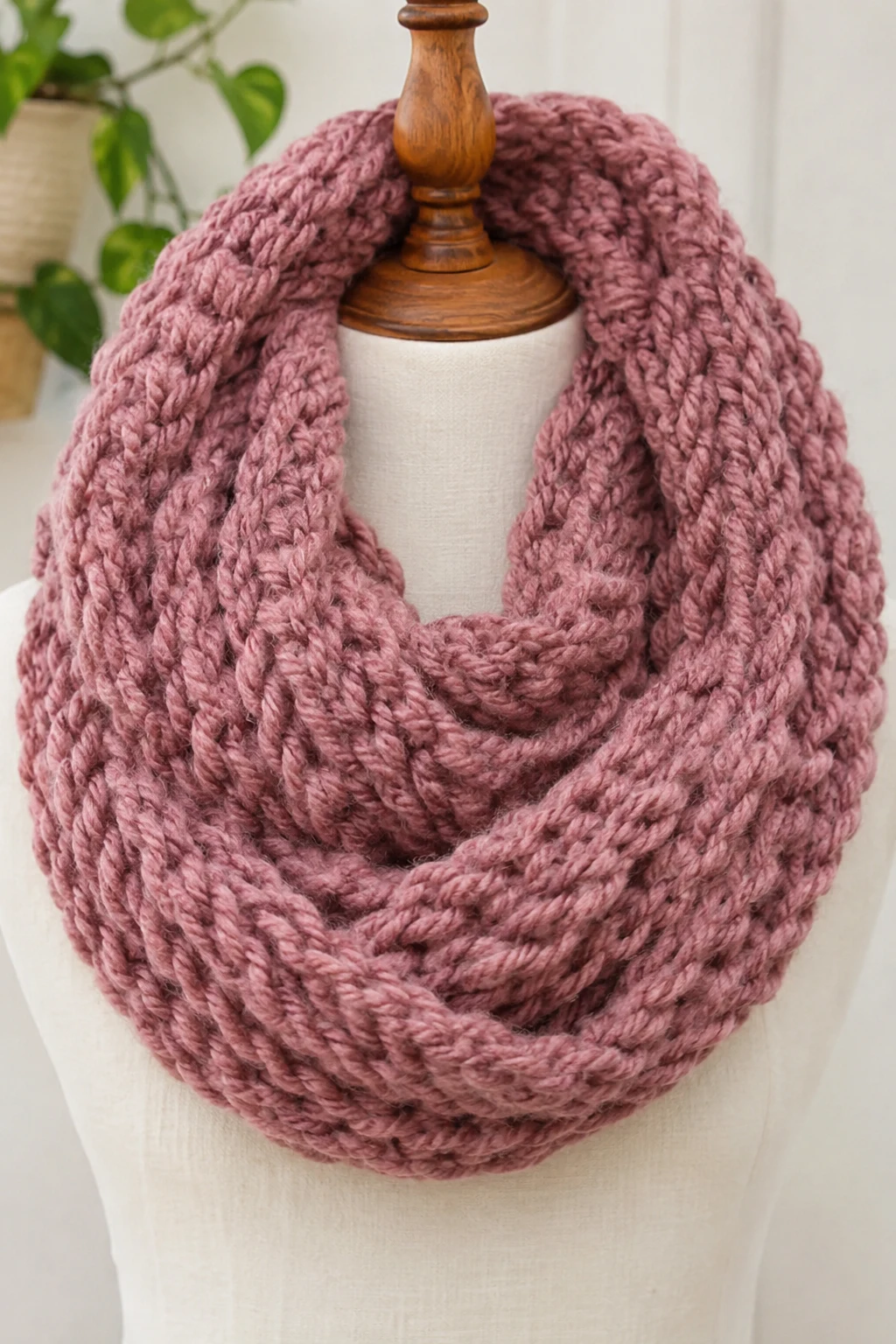
7. Lightweight Spring Knitting Scarf
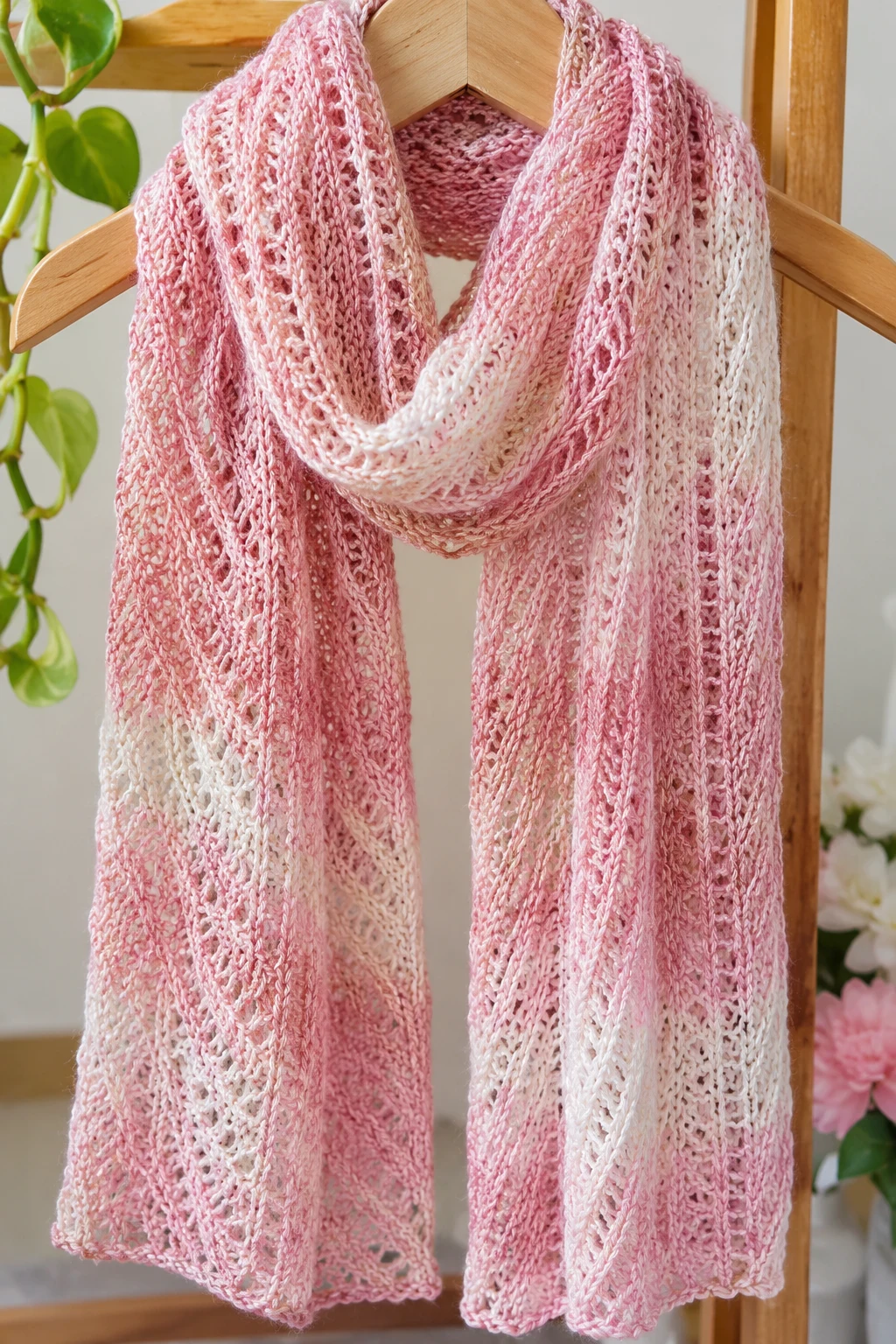
Who says a knitting scarf belongs exclusively in winter? A lightweight version made with cotton, bamboo, or linen-blend yarn is perfect for cool spring mornings and breezy evenings.
Choose colors such as ivory, sage green, pale peach, or powder blue. These shades complement denim jackets, linen shirts, simple dresses, and lightweight cardigans.
For the stitch pattern, consider an openwork design with small yarn-over holes. A simple lace repeat creates a delicate appearance while keeping the finished fabric breathable. If you’re new to lace knitting, practice the pattern on a small swatch first.
Pro tip: Bamboo and cotton yarns tend to behave differently from wool, so check your gauge before casting on the full project.
The key to this style is lightweight natural-fiber yarn and breathable stitch patterns that create an elegant accessory for transitional weather.
8. Ribbed Knitting Scarf for Men
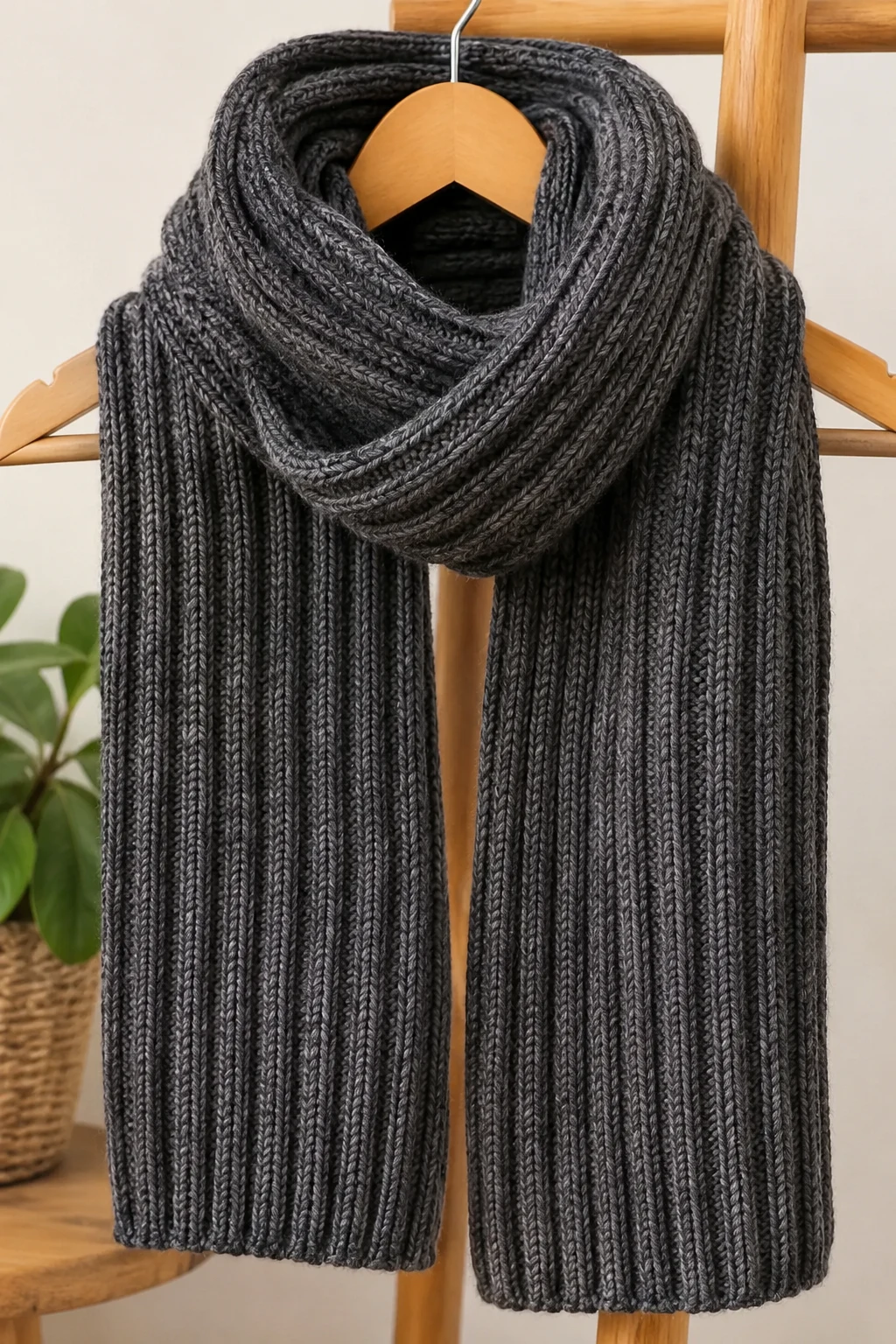
A ribbed knitting scarf is a fantastic handmade gift for someone who prefers classic, understated accessories. Its vertical texture creates a clean, structured appearance that works beautifully with casual and formal winter outfits.
Choose dark charcoal, navy blue, black, forest green, or camel-colored wool. A 2×2 rib pattern is a popular option: knit two stitches, purl two stitches, and repeat across the row. This creates a stretchy fabric with a refined finish.
For a men’s scarf, consider making the finished piece approximately 20–25 cm wide and 150–180 cm long, adjusting the measurements to suit the recipient.
Pro tip: Use a yarn with good stitch definition so the ribbed texture remains visible after blocking.
The key to this design is alternating knit and purl stitches to produce a flexible, sophisticated texture.
9. Mohair Fluffy Knit Scarf
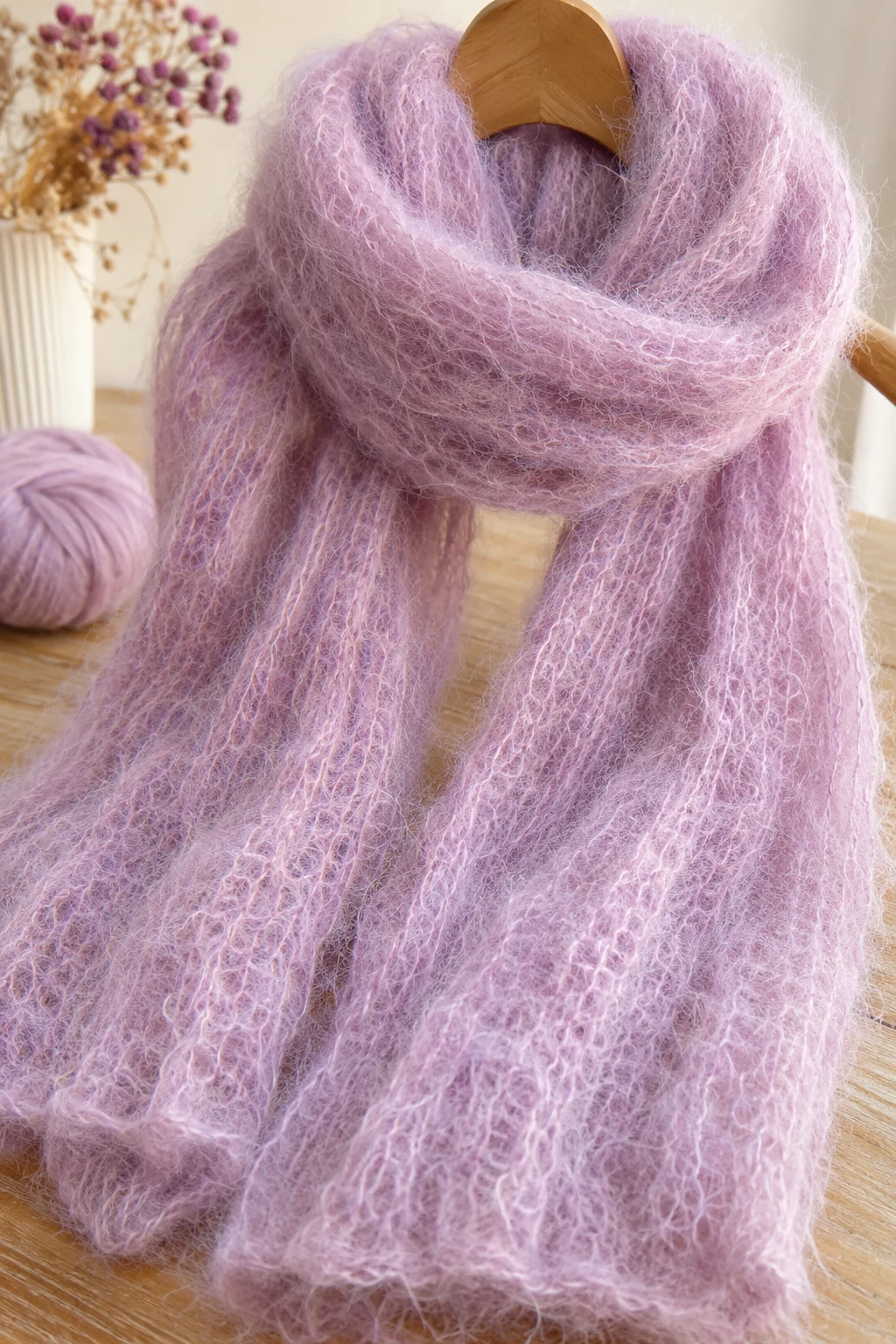
If you love soft accessories with a little drama, a mohair knitting scarf deserves a place on your project list. Mohair yarn creates a beautiful fuzzy halo around the stitches, giving the finished fabric a delicate, cloud-like appearance.
Choose blush pink, icy blue, ivory, pale gray, or soft lilac. You can knit with a single strand for an airy result or hold mohair together with a strand of merino yarn for additional body.
A simple stockinette or garter stitch works wonderfully because the fluffy fibers already provide plenty of visual interest. Avoid overly complicated stitch patterns that may disappear beneath the fuzzy texture.
Pro tip: Use smooth, light-colored needles that make it easier to see your stitches while working with fluffy yarn.
The key to this look is halo-textured mohair yarn and uncomplicated stitches that let the fibers take center stage.
10. Beginner-Friendly Ribbed Scarf
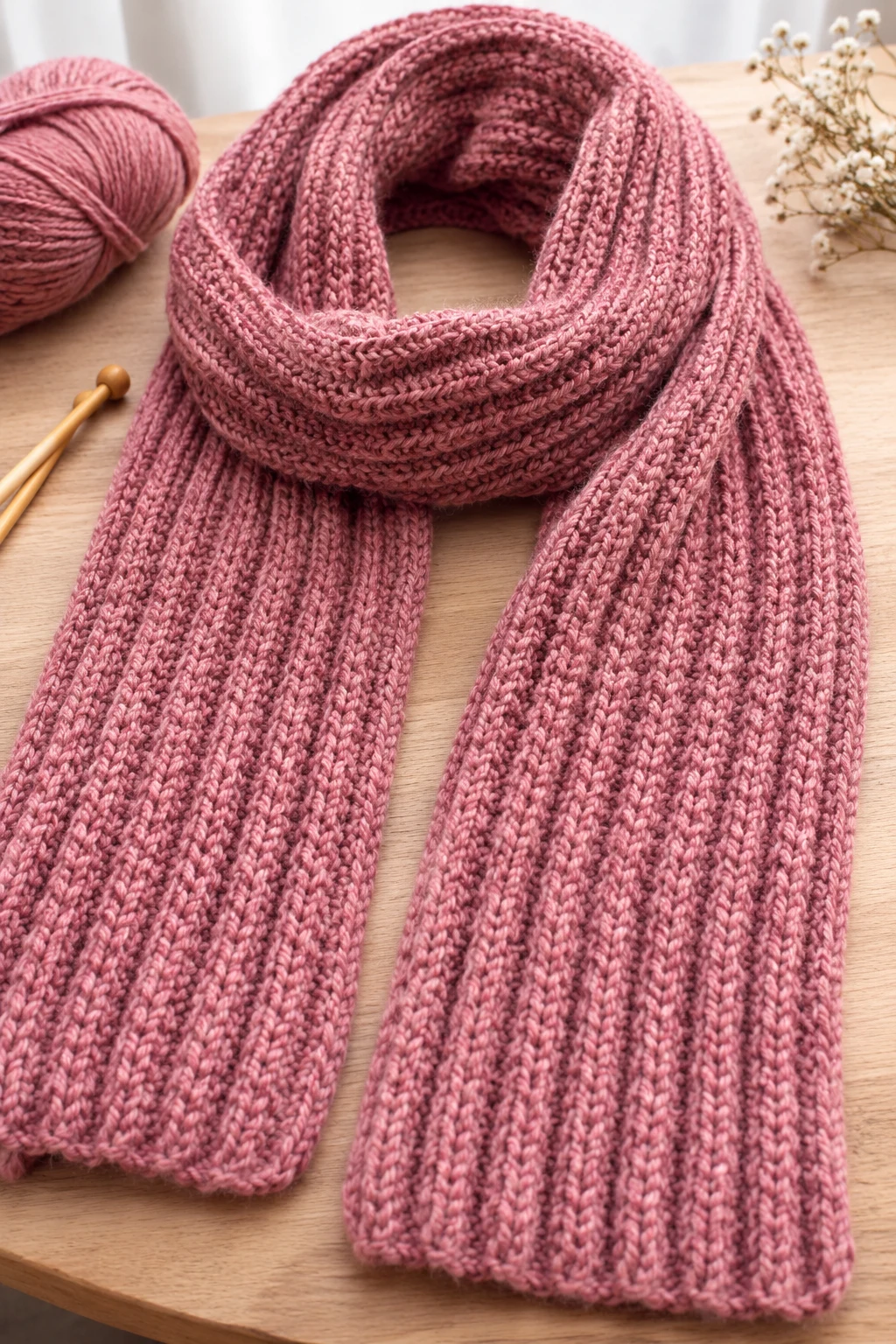
A ribbed scarf offers a little more texture than a basic garter stitch project while remaining accessible to newer knitters. The repeating knit-and-purl combination creates raised vertical columns that look neat and professional.
For this knitting scarf, choose worsted-weight yarn in caramel, cream, dusty blue, or burgundy. A 1×1 rib pattern alternates one knit stitch and one purl stitch, while a 2×2 rib uses two of each.
The stretchy construction makes this scarf comfortable to wear and helps it sit nicely around the neck. It’s also an excellent opportunity to practice switching between knit and purl stitches without tackling a complicated pattern.
Pro tip: Cast on a multiple of four stitches for a straightforward 2×2 rib pattern, adding edge stitches if your chosen pattern requires them.
The key to this technique is alternating knit and purl stitches in a repeating sequence for a beautifully elastic finish.
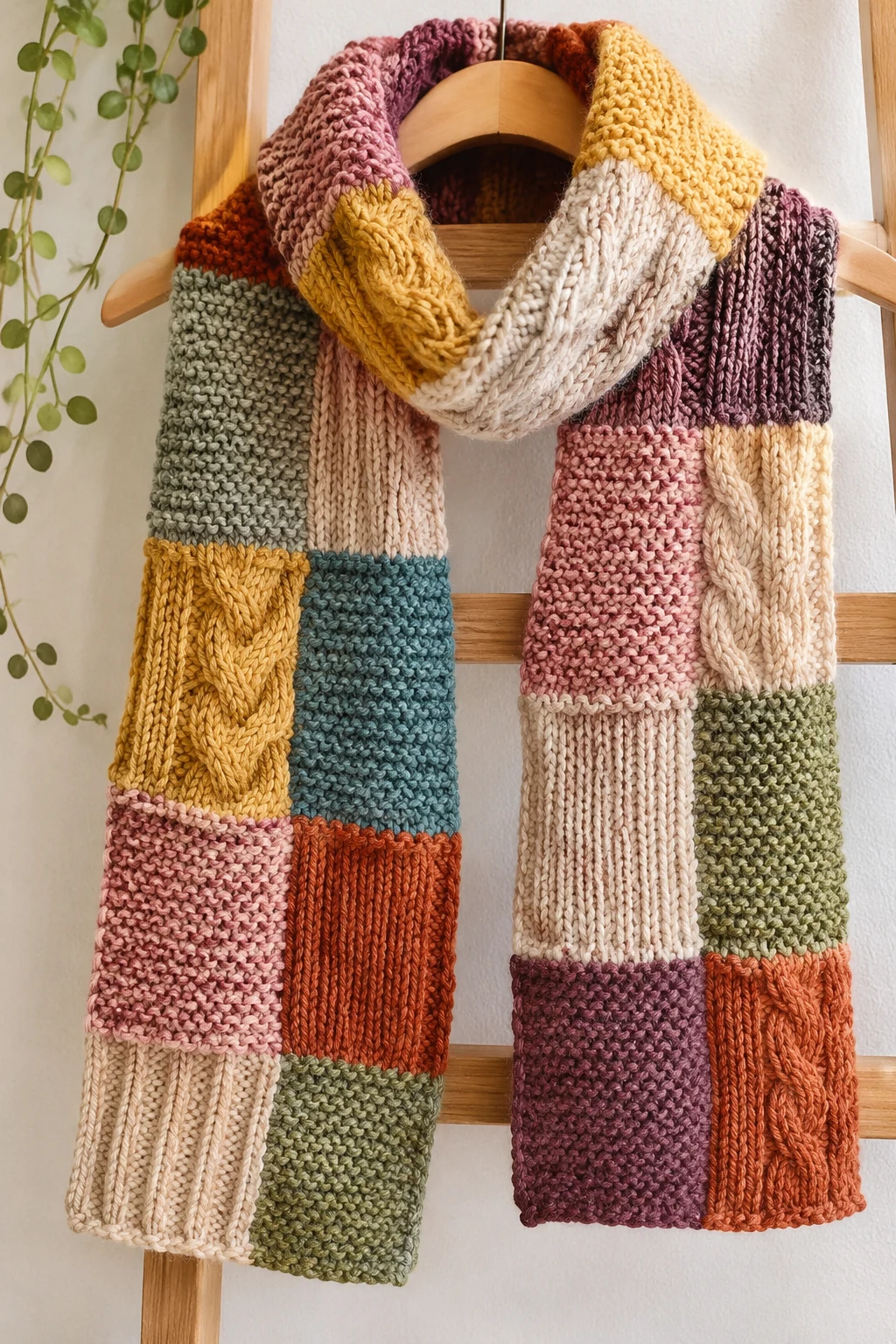
11. Patchwork Knitted Scarf
A patchwork scarf is a creative way to combine different colors, textures, and leftover yarn into one unique accessory. Instead of knitting one long rectangle, you’ll make several smaller squares or rectangles and join them together.
Try combining burgundy, mustard, cream, sage, and dusty pink for a vintage-inspired palette. You can make each section with a different stitch, including garter stitch, ribbing, seed stitch, and simple stockinette.
Once you’ve knitted all the individual pieces, arrange them on a flat surface before joining them with a tapestry needle or crochet slip stitches. This makes it easier to balance the colors and textures.
Pro tip: Keep your squares approximately the same size so the finished scarf lies flat and doesn’t twist.
The key to this design is combining individual knitted sections with complementary colors and textures to create a one-of-a-kind accessory.
12. Personalized Initial Knitting Scarf
A personalized knitting scarf turns a practical handmade accessory into a meaningful gift. Whether you’re making something for a birthday, Christmas, Valentine’s Day, or a winter wedding, adding initials gives the finished piece a thoughtful detail.
Start with a simple scarf in cream, camel, navy, or charcoal gray. Once you’ve finished knitting and blocking the fabric, use contrasting embroidery yarn to stitch a small monogram near one corner. Burgundy, gold, or dark brown embroidery thread looks especially beautiful against neutral wool.
You can also personalize the accessory with a small embroidered heart, star, or date. Duplicate stitch is a useful technique for adding letters and simple designs directly onto knitted fabric.
Pro tip: Practice your lettering on a knitted swatch before decorating the finished scarf. This helps you position the design neatly.
The key to this look is simple knitting combined with personalized embroidery details that make the accessory feel special.
FAQ: Knitting Scarf Projects
1. What is the easiest knitting scarf pattern for beginners?
A garter stitch scarf is one of the easiest options because you knit every row. Choose medium-weight yarn and comfortable needles to practice consistent stitches.
2. How much yarn do you need to knit a scarf?
Most standard scarves require approximately 200–400 grams of yarn, depending on the yarn weight, needle size, width, and length. Always check the pattern’s yarn requirements before purchasing supplies.
3. Why is my knitted scarf curling at the edges?
Stockinette stitch naturally curls because of the difference in tension between knit and purl stitches. Add a garter stitch or ribbed border, or choose a stitch pattern that naturally lies flat.
The Bottom Line
A knitting scarf is one of those handmade projects that combines creativity, practicality, and personal style. Whether you prefer chunky cream wool, colorful stripes, delicate mohair, or classic cable patterns, there’s a design worth adding to your knitting queue. Beginners can start with simple garter stitch patterns, while experienced knitters can experiment with lace, cables, and patchwork techniques. Choose comfortable needles, quality yarn, and colors you’ll actually enjoy wearing. Most importantly, don’t worry about making every stitch perfect. A handmade scarf has character, and that’s exactly what makes it special!
📚 You Might Also Like
- Knitting inspiration: 16 Stunning DIY Ideas for 2026Knitting inspiration is the collection of creative ideas, patterns, colors, and techniques that help…
- Scarf crochet: 20 Perfect DIY Ideas for 2026Scarf crochet projects are handcrafted winter accessories made by looping yarn with a hooked needle…
- Knitting Tutorials: 15 Amazing DIY Ideas for 2026Knitting Tutorials are step-by-step guides that teach you how to create beautiful handmade using yar…
- Knitting Ideas: 15 Ultimate DIY Ideas for 202615 Knitting Ideas for Creative Handmade Projects Knitting Ideas are project concepts that use yarn,…
🛍️ Shop the Look — Best Sellers for knitting scarf
Our handpicked Amazon best sellers curated specifically for knitting scarf:
As an Amazon Associate I earn from qualifying purchases.