

Finding effective saving money tips is the essential starting point for building lasting financial stability and peace of mind. Saving money tips refer to actionable strategies, behavioral adjustments, and structural changes that allow individuals to spend less than they earn and systematically grow their cash reserves. Master these principles, and you can transform your bank account without radically lowering your standard of living.

1. Automate Your Monthly Savings
Automating your finances is one of the most reliable saving money tips for building wealth without constant effort. By setting up an automatic transfer from your checking account to your savings account on payday, you remove the temptation to spend money before it is saved. This “pay yourself first” model ensures consistent contributions toward your financial goals.
The primary benefit of automation is behavioral: it relies on a single setup decision rather than daily willpower. However, a potential trade-off is the risk of accidental overdrafts if your checking account balance fluctuates too low. To mitigate this risk, always keep a small cash buffer in your primary account. The key takeaway is that automation removes the emotional friction of manual transfers.

2. Audit Your Recurring Subscriptions — saving
Conducting a thorough subscription audit is among the most practical saving money tips for plugging hidden monthly leaks. Over time, streaming services, software subscriptions, and unused gym memberships accumulate unnoticed on credit card statements. Reviewing your last three months of bank statements lets you cancel services you no longer actively use.
The main advantage is an immediate reduction in fixed monthly expenses with zero impact on your daily lifestyle. The primary risk or trade-off is losing access to a service you occasionally use, requiring you to repurchase it later. The key takeaway is that recurring charges quietly drain capital unless audited quarterly.

3. Implement the 24-Hour Rule for Purchases — saving
Using the 24-hour waiting period for non-essential purchases is one of the best psychological saving money tips available. When you feel a sudden urge to buy an item online or in a store, you simply wait a full day before completing the transaction. This pause interrupts impulse buying and allows rational thought to replace emotional desire.
The benefit is a significant drop in buyer’s remorse and a higher overall savings rate. The trade-off is that rare clearance items or limited-stock goods may sell out during the waiting period. The key takeaway is that time acts as a natural filter against impulse spending.

4. Adopt the Zero-Based Budgeting Method
Zero-based budgeting requires you to assign every dollar of your income to a specific category—such as housing, groceries, debt repayment, or savings—until your net income minus total allocations equals zero. This gives every single dollar a distinct job, preventing vague spending in unmonitored categories.
The benefit is absolute clarity and control over your cash flow. The trade-off is the high initial time investment required to track expenses and categorize receipts meticulously. The key takeaway is that assigning a purpose to every dollar stops money from disappearing into unallocated spending.

5. Master the Art of Bulk Meal Planning
Planning your weekly meals in advance and shopping with a strict grocery list can dramatically lower your weekly food expenditure. Dining out and ordering delivery frequently consume a massive share of household income, whereas home-cooked meals purchased in bulk offer vastly superior cost efficiency.
The benefit is lower grocery bills, reduced food waste, and often better nutritional health. The trade-off is the upfront time required for meal preparation, grocery shopping, and kitchen cleanup. The key takeaway is that intentional meal planning replaces expensive convenience eating with economical consistency.

6. Negotiate Your Fixed Household Bills
Many service providers—including internet, mobile phone, and insurance companies—rely on customer inertia to maintain higher pricing tiers. Periodically calling these providers to negotiate rates or switch to lower-cost plans is a high-yield strategy for reducing mandatory overhead.
The benefit is lower recurring monthly expenses without sacrificing utility or service quality. The trade-off is the potential frustration of navigating automated customer support lines and brief negotiations. The key takeaway is that loyalty to service providers rarely yields financial rewards.

7. Utilize the Cash-Back Envelope System
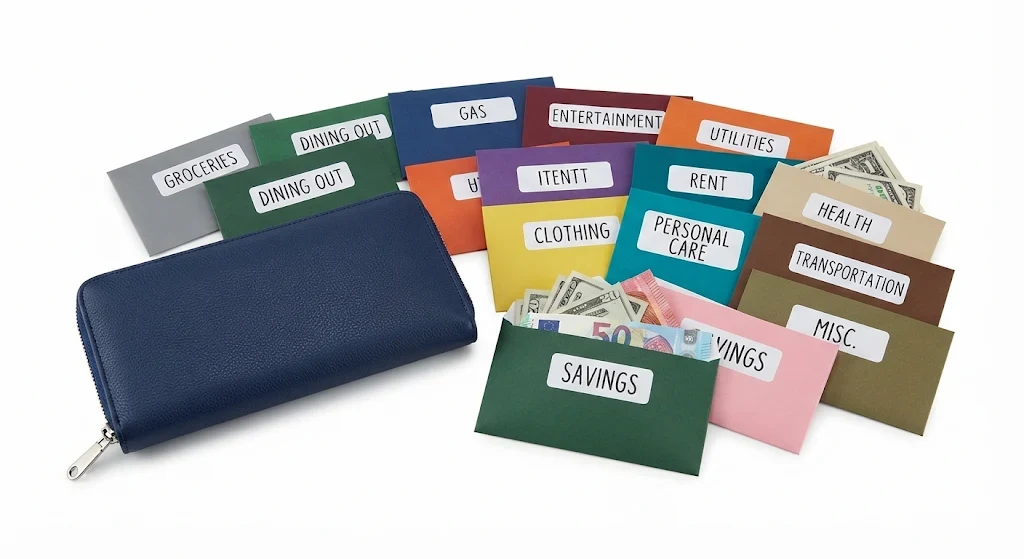
The cash-back envelope system involves withdrawing physical cash for variable spending categories like entertainment, dining out, and clothing at the start of the month, dividing that cash into labeled physical envelopes, and spending only what is inside. Once an envelope is empty, discretionary spending in that category pauses until next month.
The benefit is a visceral psychological barrier against overspending, as parting with physical cash feels more painful than swiping a card. The trade-off is the security risk of carrying physical cash and the inconvenience of avoiding online purchases. The key takeaway is that physical cash provides immediate, undeniable limits on discretionary habits.

8. Switch to Generic Store-Brand Groceries
Name-brand grocery products often carry a 20% to 30% price premium over store-brand equivalents, despite frequently being manufactured in the same facilities to identical quality standards. Swapping pantry staples, paper goods, and cleaning supplies to store brands preserves quality while cutting checkout totals.
The benefit is immediate savings on essential household items with virtually zero noticeable difference in utility. The trade-off is that personal preference may favor the taste or packaging of specific name-brand items. The key takeaway is that paying for brand marketing rather than product quality wastes household capital.

9. Create a Designated Emergency Fund
Establishing an emergency cash reserve in a high-yield savings account protects your long-term investments from unexpected financial shocks like medical bills or car repairs. Financial experts often suggest targeting three to six months of essential living expenses, though starting with a smaller milestone like a fixed dollar amount is an effective entry point.
The benefit is financial security and insulation against high-interest debt during crises. The trade-off is that cash sitting in savings accounts yields lower returns than riskier market investments due to inflation. The key takeaway is that liquidity protects your future portfolio from forced selling during hard times.

10. Audit Your Utility and Energy Consumption
Small behavioral adjustments around the house—such as lowering thermostats by a few degrees in winter, installing LED lightbulbs, washing clothes in cold water, and unplugging vampire electronics—can noticeably reduce monthly utility bills. These adjustments require minimal effort yet compound over years of habitation.
The benefit is permanently lowered monthly overhead with negligible impact on comfort. The trade-off is the initial cost of upgrading inefficient appliances or smart thermostats, though this cost is typically recouped through utility savings. The key takeaway is that passive energy habits compound into significant annual utility savings.

11. Practice the 50/30/20 Budgeting Rule
The 50/30/20 framework divides after-tax income into three distinct buckets: 50% for necessities (housing, utilities, groceries), 30% for wants (dining out, entertainment), and 20% for financial goals (savings and debt repayment). This structure offers a balanced, easy-to-remember guideline for maintaining financial health.
The benefit is a straightforward percentage-based approach that avoids hyper-detailed tracking. The trade-off is that high housing costs in certain metropolitan areas can make the 50% limit for necessities difficult to achieve without relocation. The key takeaway is that balancing present lifestyle desires with future savings prevents financial burnout.

12. Implement a 30-Day Cooling-Off Period for Major Purchases
For larger discretionary purchases—such as electronics, furniture, or vacations—enforcing a 30-day waiting period helps eliminate impulsive luxury buying. During this month, you research alternatives, look for discounts, and evaluate whether the item truly adds long-term value to your daily life.
The benefit is the elimination of large regrets and impulsive budget derailments. The trade-off is delayed gratification, which may test your patience. The key takeaway is that major purchases require deliberate evaluation rather than emotional impulse.

13. Optimize Your Commute and Transportation Costs
Transportation is often a household’s second-largest expense. Exploring alternatives such as public transit, carpooling, cycling, or combining errands into a single weekly trip can drastically cut fuel consumption, parking fees, and vehicle wear-and-tear.
The benefit is lower monthly outlays on fuel and maintenance, alongside potential health benefits from active commuting. The trade-off is reduced schedule flexibility and increased travel time in areas with poor public transit infrastructure. The key takeaway is that optimizing transit habits cuts one of the largest drains on household income.

14. Embrace DIY Home and Auto Maintenance
Learning basic home repairs, routine vehicle maintenance—like changing air filters or windshield wipers—and minor clothing alterations saves steep labor fees charged by professional technicians. Countless free instructional guides exist online to help beginners learn foundational maintenance skills safely.
The benefit is direct savings on hourly labor rates and greater self-reliance. The trade-off is the upfront purchase of basic tools and the risk of improper repairs if tasks exceed your skill level. The key takeaway is that basic self-sufficiency keeps routine repair costs under control.

15. Review and Refine Your Insurance Policies
Insurance policies should be reviewed annually to ensure you are not paying for overlapping coverage or excessive premiums. Comparing rates across multiple insurers and adjusting deductibles to match your emergency fund level can reduce monthly insurance outlays without compromising essential protection.
The benefit is lowered monthly premiums for identical protection levels. The trade-off is that higher deductibles require you to pay more out-of-pocket before insurance kicks in during a claim. The key takeaway is that periodic insurance reviews prevent you from overpaying out of sheer habit.
Frequently Asked Questions
What are the most effective saving money tips for beginners?
The most effective strategies for beginners include automating monthly transfers, establishing a zero-based budget, and eliminating unused subscription services. These steps build immediate momentum without requiring complex financial knowledge.
How can someone start saving money without feeling deprived?
You can save money painlessly by focusing on reducing hidden waste—such as unused subscriptions or generic brand swaps—rather than cutting out activities you genuinely enjoy.
Why is an emergency fund critical for long-term savings?
An emergency fund prevents unexpected financial shocks from derailing your budget and forces reliance on high-interest credit cards during crises.
📚 You Might Also Like
- Money saving challenge: 15 Practical Money Tips for 2027Embarking on a money saving challenge is a structured, practical approach to building financial resi…
- Money saving methods: 15 Smart Money Tips for 2026Effective money saving methods are structured financial practices that individuals use to reduce unn…
- Money saving tips: 15 Practical Money Tips for 2026Mastering effective money saving tips begins with understanding your daily cash flow and establishin…
- Saving money: 15 Easy Money Tips for 2026Mastering the art of saving money begins with a clear understanding of your cash flow and consistent…
- Cheap Rings for Women: Stylish Jewelry on a BudgetFinding the perfect piece of jewelry doesn’t have to break the bank. Affordable jewelry for he…
The Bottom Line
Mastering your personal finances does not require a complex degree or a restrictive lifestyle; it relies entirely on consistent, intentional daily habits. By implementing automation, auditing recurring expenses, and aligning your spending with your core values, you can build a resilient financial foundation. Progress is built incrementally through small, deliberate choices rather than overnight transformations.
Disclaimer: This article is for general educational purposes only, is not personal financial advice, and readers should consult a licensed professional before making financial decisions.
🛍️ Shop the Look — Best Sellers for saving money tips
Our handpicked Amazon best sellers curated specifically for saving money tips:





🔥 See More Best Sellers on Amazon →
As an Amazon Associate I earn from qualifying purchases.