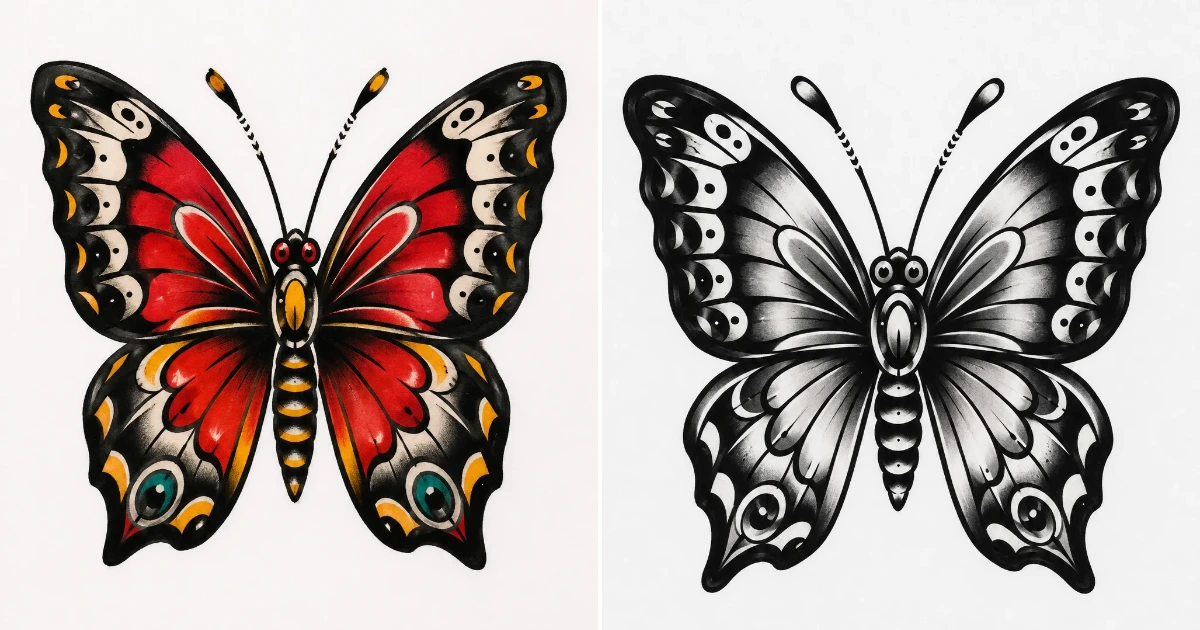
A traditional butterfly tattoo is a bold, old-school design that combines symmetrical butterfly wings with heavy black outlines, saturated color, and classic tattoo flash styling. It can look playful, rebellious, elegant, or downright dramatic depending on the palette and placement. According to Tattoodo,From ruby-red wings on the chest to a tiny black-and-grey butterfly near the wrist, this motif has serious range. The best designs use clean linework, controlled shading, and enough negative space to keep every wing detail readable for years. Traditional butterfly tattoo ideas also work beautifully with roses, daggers, skulls, banners, stars, and other classic flash elements. If you love vintage tattoo aesthetics but want something more personal than a standard flash-sheet design, these nine approaches give you plenty of room to make the butterfly your own.
1. Classic Ruby Wing Butterfly — traditional
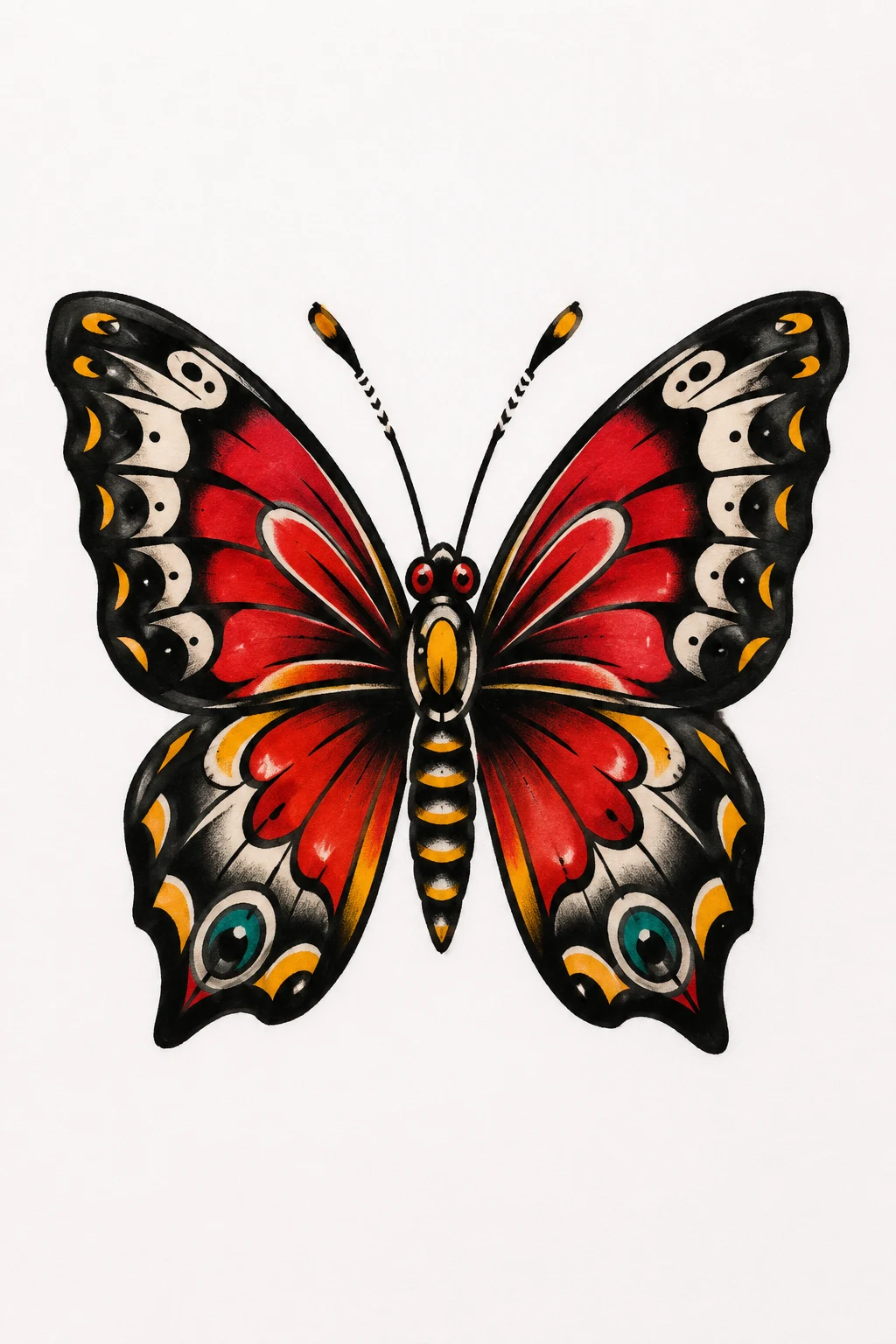
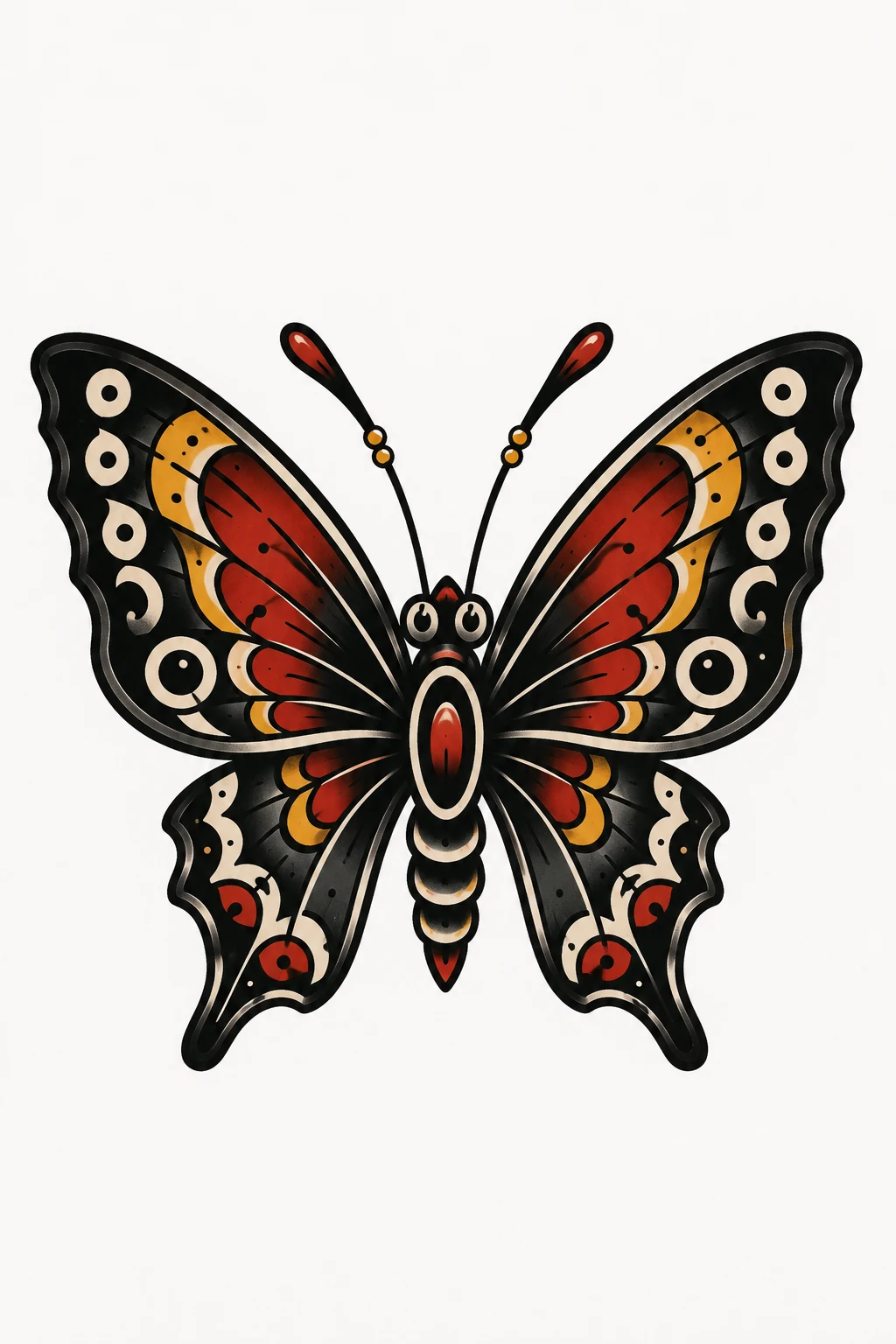
Nothing says traditional tattoo quite like a butterfly with bold black outlines, ruby-red wings, warm yellow accents, and small cream highlights. Keep the wing shapes symmetrical and slightly exaggerated for that unmistakable American traditional character. According to Byrdie Tattoos,A compact design works beautifully on the forearm, upper arm, or calf.
For a classic finish, ask your tattoo artist for solid color packing rather than soft, barely-there washes. Heavy outlines help the butterfly remain crisp while saturated red and yellow create instant contrast. This is also a great choice for someone getting their first colorful traditional piece.
The key to this look is high-contrast color packing paired with thick, consistent outlines.
2. Traditional Butterfly Tattoo Flash
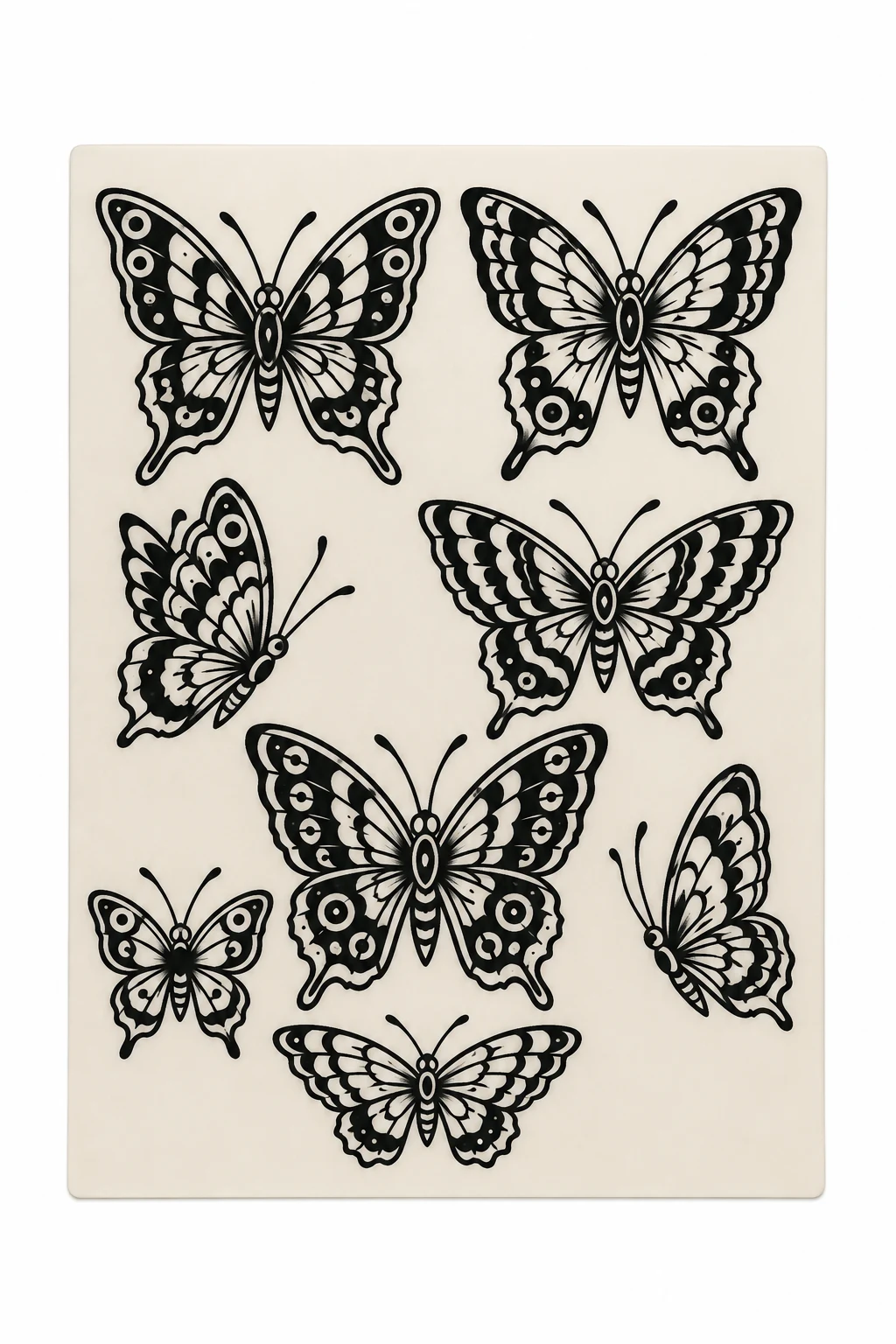
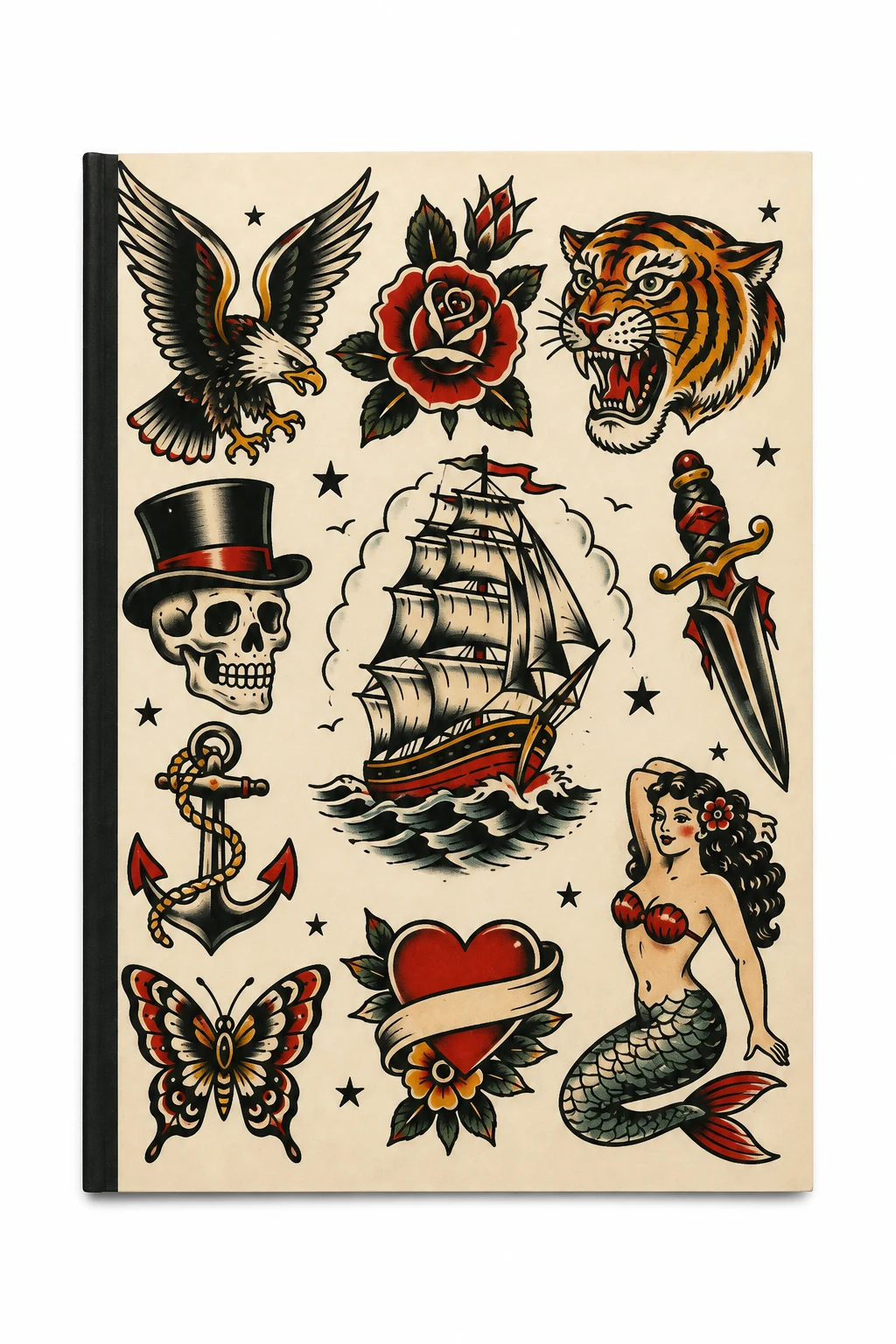
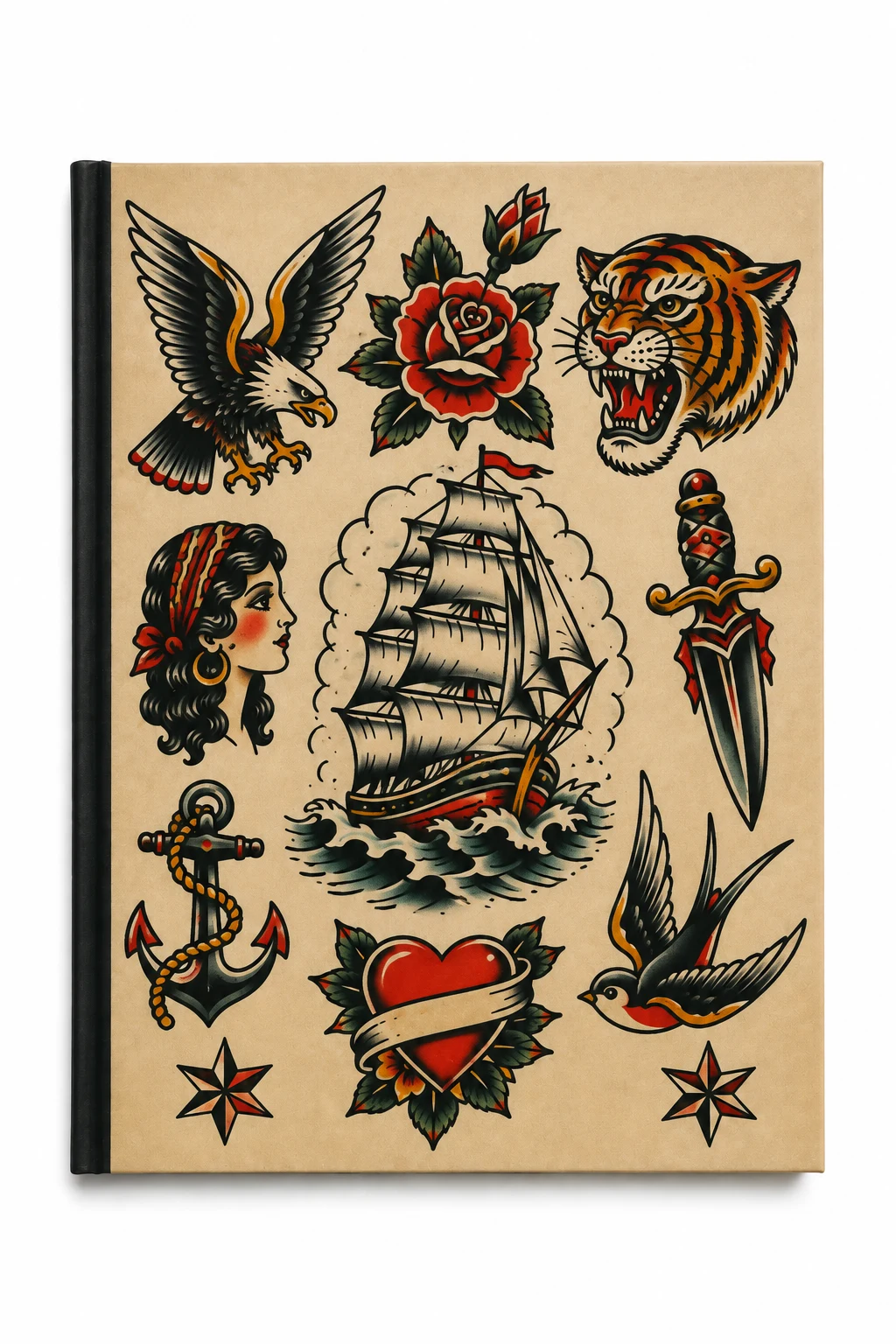
A traditional butterfly tattoo flash design feels like it stepped straight off a vintage tattoo artist’s wall. Think bold symmetrical wings, limited colors, black outlines, and small decorative details such as dots, stars, or tiny ornamental flourishes.
Try a red, mustard-yellow, and black palette if you want a classic flash appearance. Your artist can also create a slightly distressed effect while keeping the actual tattoo technically clean. A flash-inspired design is especially fun for forearm collections, patchwork sleeves, or small tattoos added between existing pieces.
The key to this look is simple flash composition that reads instantly without overcrowding the wings.
3. Black and White Butterfly — traditional
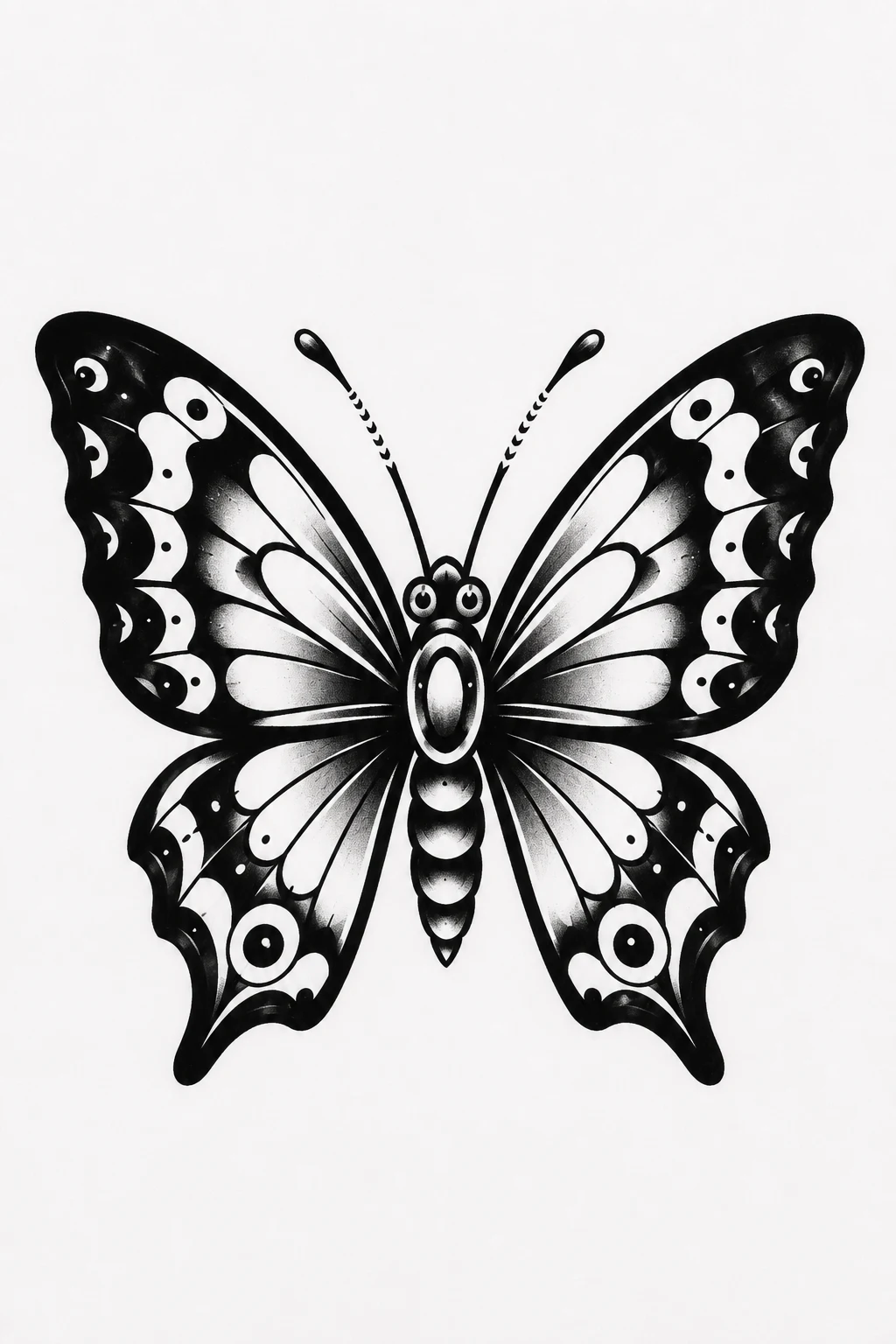
A traditional butterfly tattoo black and white version proves that you do not need bright color to make the design memorable. Strong black outlines, carefully placed white skin breaks, and controlled stippling can create a striking monochrome butterfly.
This option is particularly useful if your existing collection is mostly blackwork or if you want something that pairs naturally with lettering, botanical tattoos, or vintage Americana pieces. Ask your artist to preserve clear negative space between the wing sections so the design does not turn into one dark blob over time.
The key to this look is negative space management between heavy black sections and untouched skin.
4. Black-and-Grey Vintage Butterfly
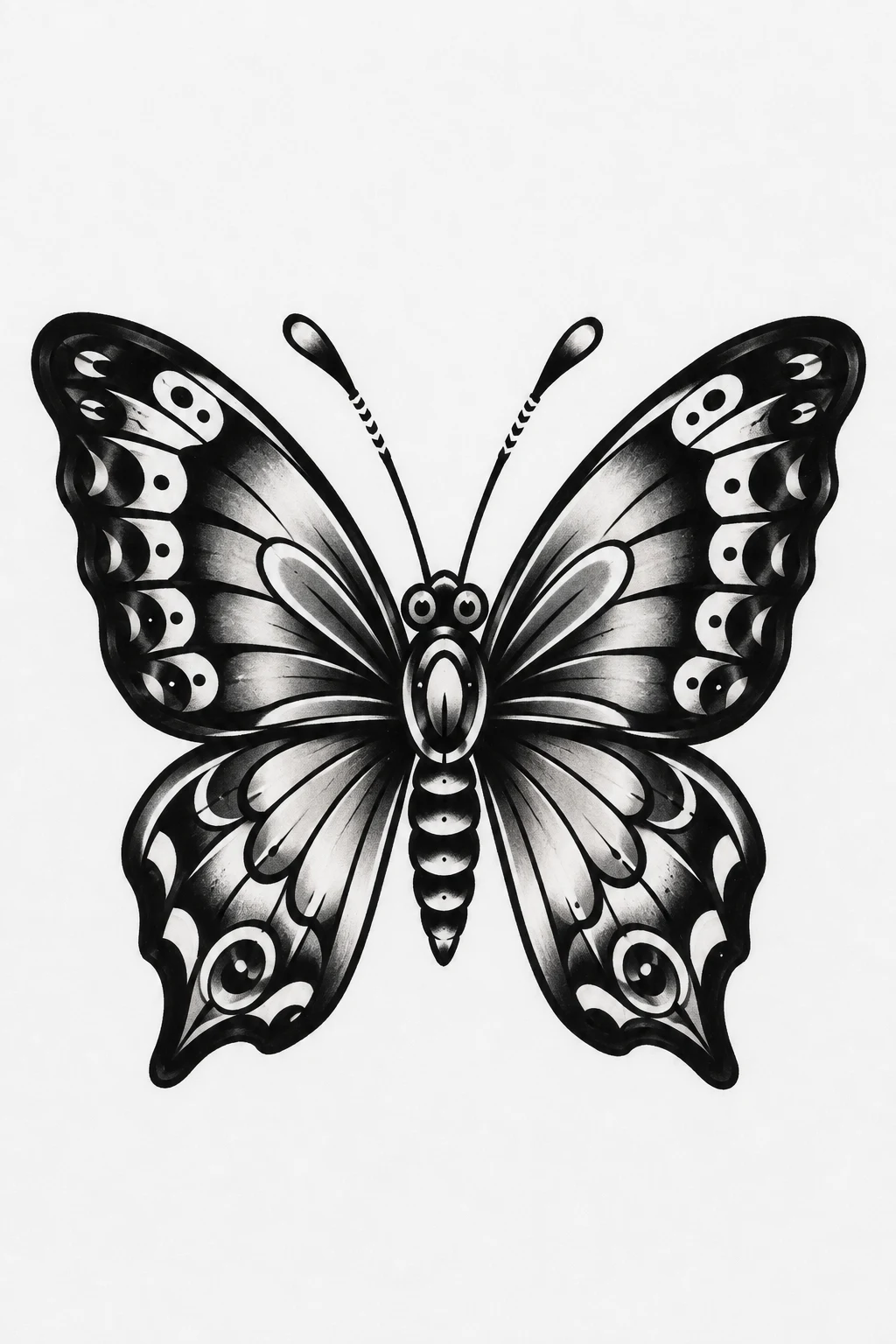
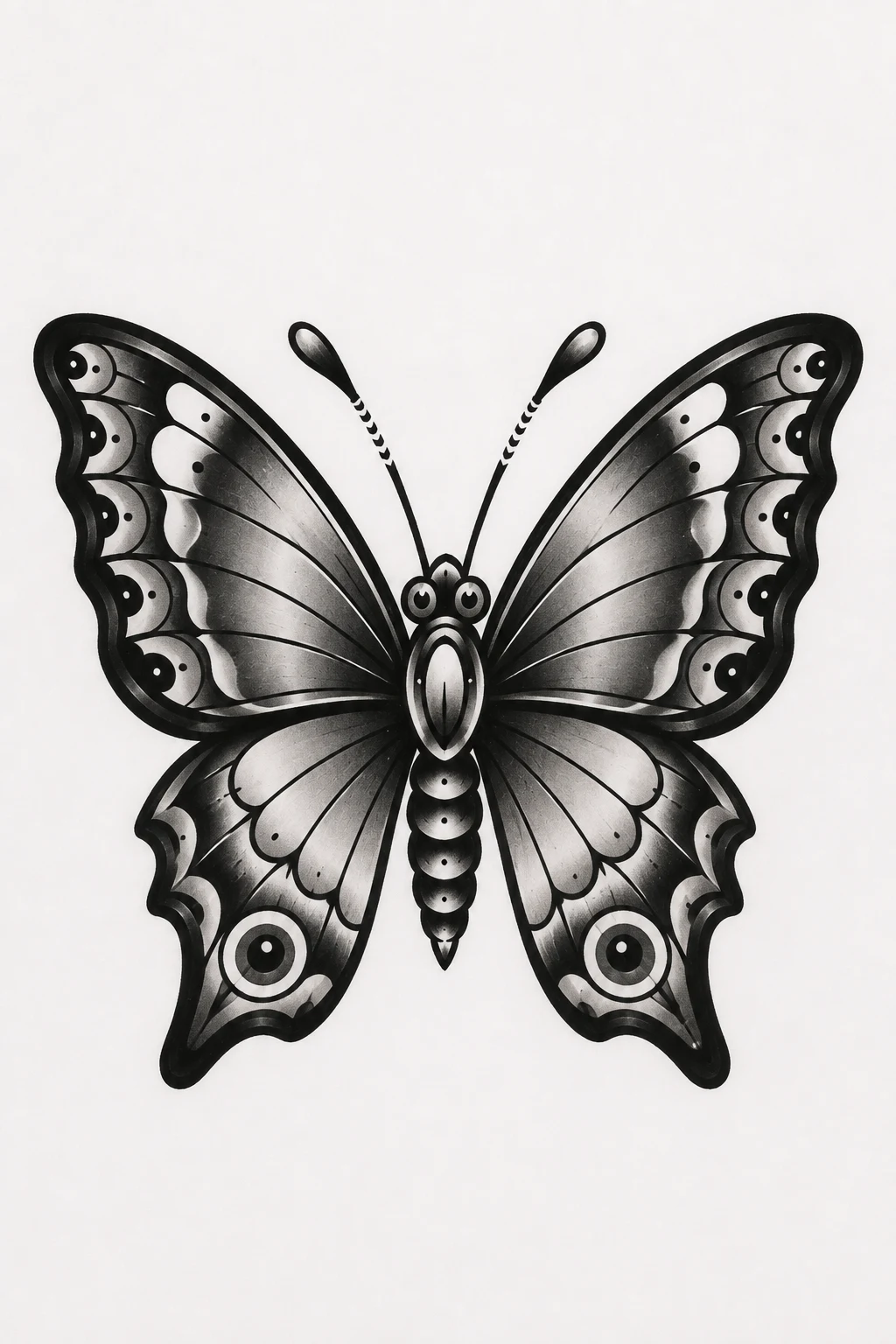
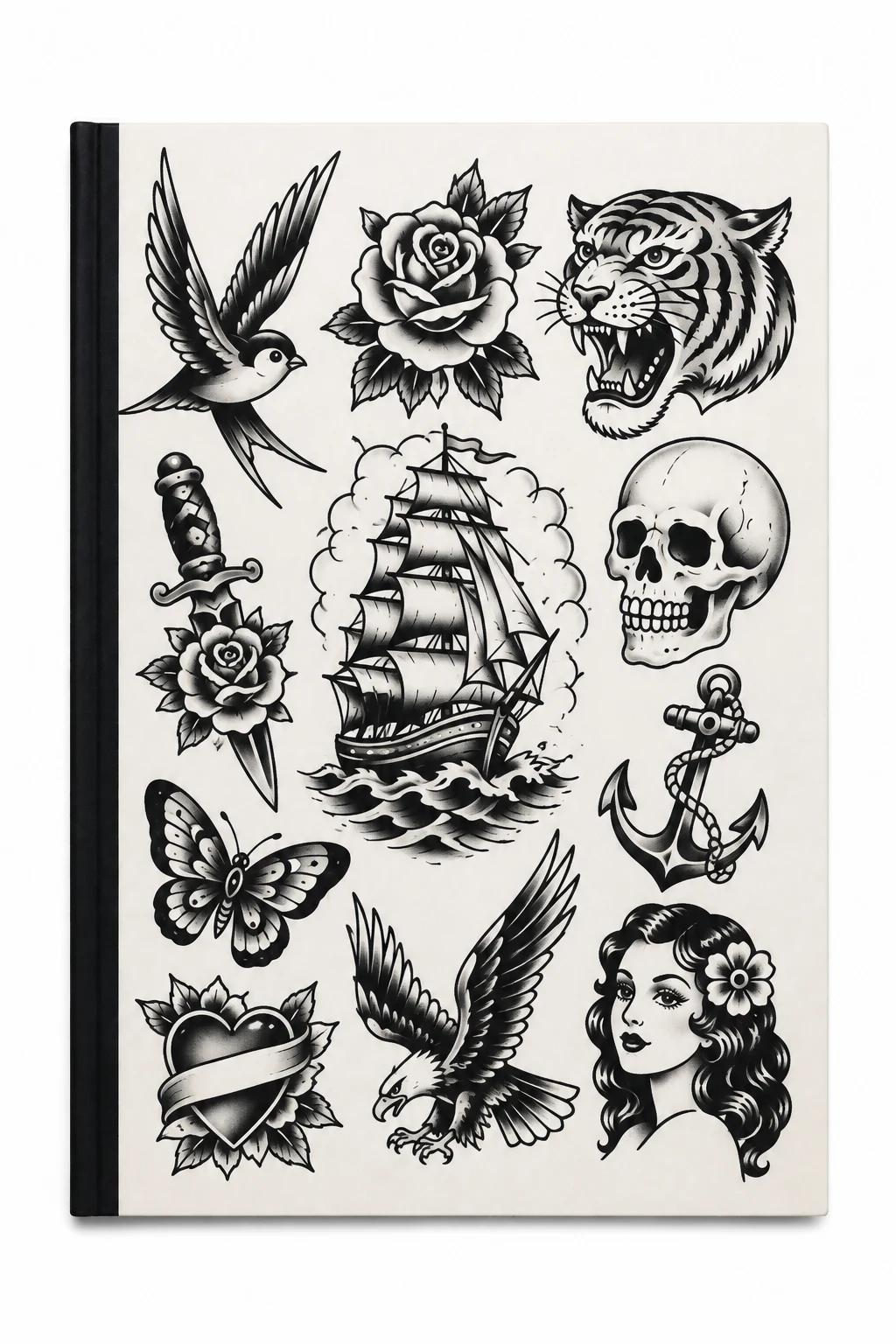
Prefer something softer without abandoning traditional structure? A traditional butterfly tattoo black and grey design can combine bold contours with smooth grey shading and a few solid-black accents. Instead of bright red or blue, the wings gain depth through graduated grey tones.
This approach suits larger placements such as the shoulder blade, thigh, upper arm, or chest. It can also make an excellent companion piece when you already have black-and-grey roses, snakes, swallows, or other vintage-inspired tattoos.
For longevity, your artist should avoid packing every tiny wing section with grey. Strategic skin breaks give the shading somewhere to breathe and help preserve the recognizable butterfly silhouette.
The key to this look is controlled grey shading rather than filling every available space with pigment.
5. Butterfly With a Skull
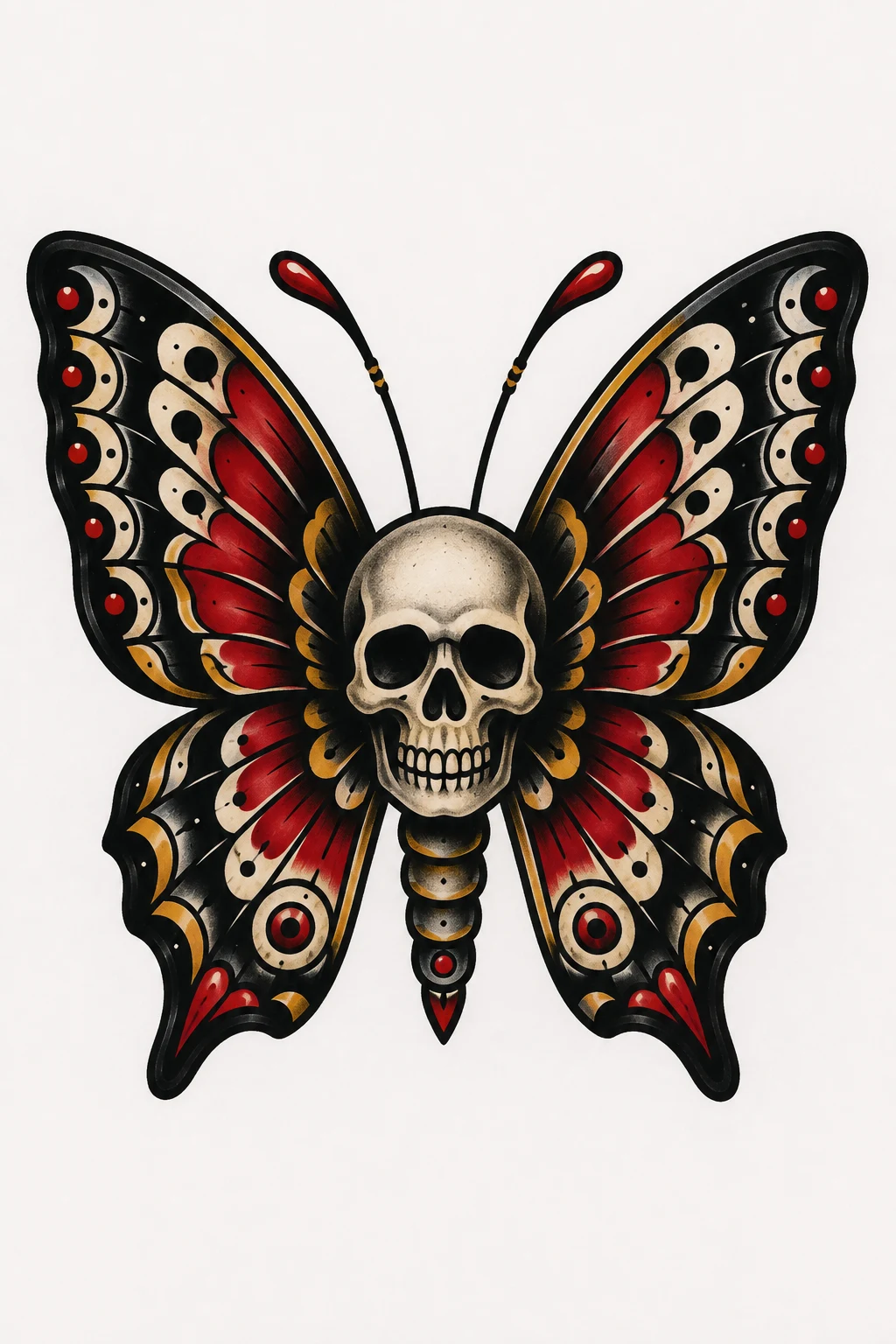
Want your butterfly to have a darker personality? A traditional butterfly tattoo with skull imagery blends transformation symbolism with classic tattoo flash attitude. The skull can sit in the butterfly’s center, appear beneath the wings, or form part of a larger symmetrical composition.
Black, cream, burgundy, and muted yellow work especially well for this theme. Keep the skull relatively simple so it does not compete with the wing structure. A skilled artist can use bold contours around both elements to make the design feel like one intentional tattoo instead of two unrelated images glued together.
This design is particularly effective for Halloween-season appointments, gothic Americana collections, or anyone who likes a little mischief with their traditional ink.
The key to this look is balanced symmetry, with the skull supporting rather than overpowering the butterfly.
6. Chest-Worthy Statement Butterfly
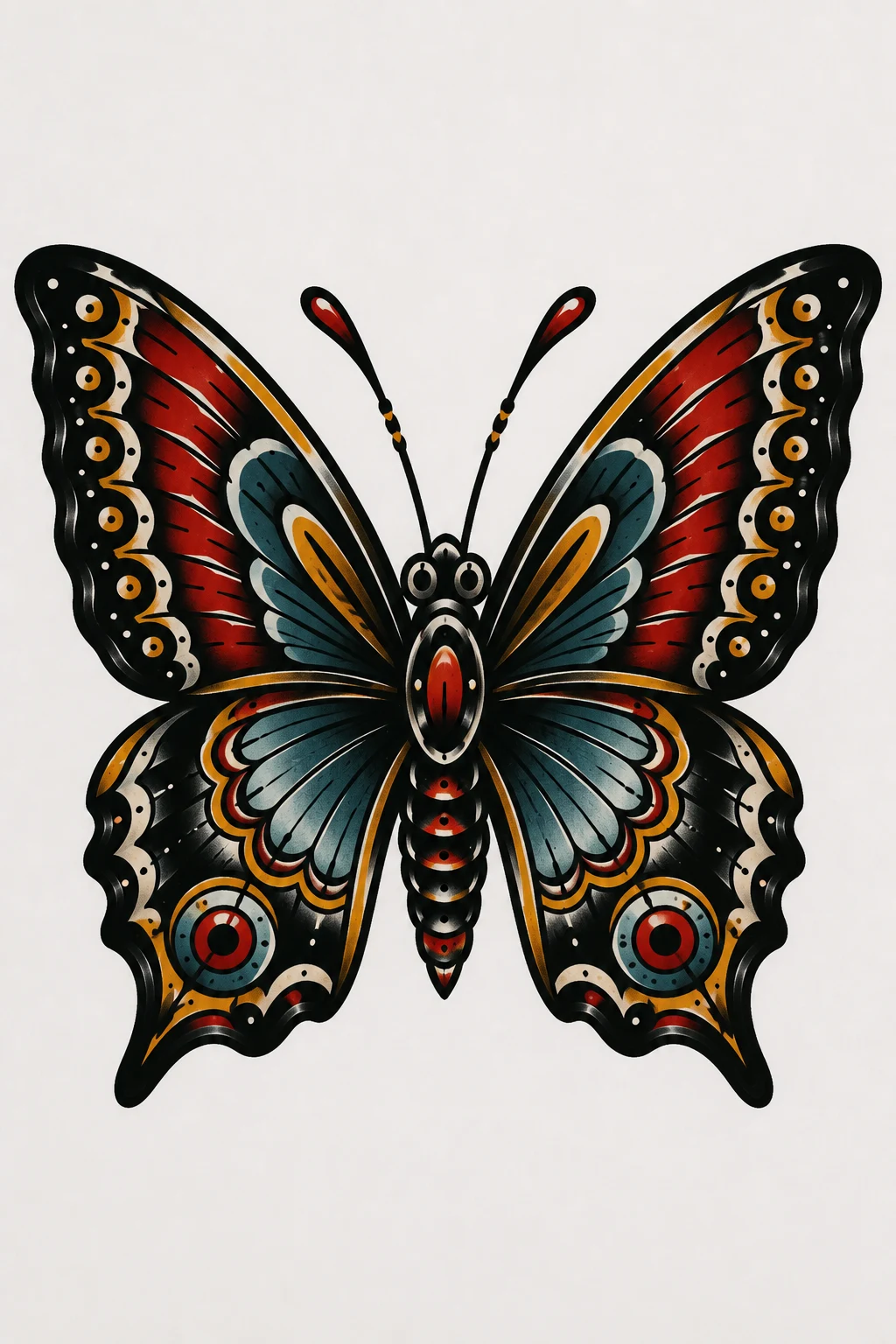
A traditional butterfly tattoo chest placement gives the motif plenty of space to become a serious statement piece. Center the butterfly over the sternum, slightly below the collarbones, or position it so the wings follow the natural shape of the chest.
Because the chest moves and curves, sizing matters. A larger butterfly allows the artist to use strong outlines, defined wing sections, and decorative elements without squeezing everything together. Deep red, cobalt blue, golden yellow, and black can create an unmistakably traditional palette.
An experienced tattoo artist should consider the body’s natural contours before transferring the stencil. What looks perfectly symmetrical on paper may need subtle adjustments once it sits on the chest.
The key to this look is placement-aware stencil design that follows the chest instead of fighting its curves.
7. Neck Butterfly With Attitude
A traditional butterfly tattoo neck design is small in footprint but huge in personality. The area works particularly well for a centered butterfly beneath the hairline or a slightly smaller design placed along the side of the neck.
Because the neck is highly visible, choose a composition that you genuinely love rather than chasing a short-lived trend. Traditional black outlines and a two- or three-color palette usually age better visually than an overly complicated miniature.
Ask your artist about sizing before committing. Tiny details can disappear when a design is reduced too far, especially in a location that experiences plenty of movement and sun exposure.
The key to this look is readability at a small scale, with fewer details and stronger shapes.
8. Butterfly on the Knee
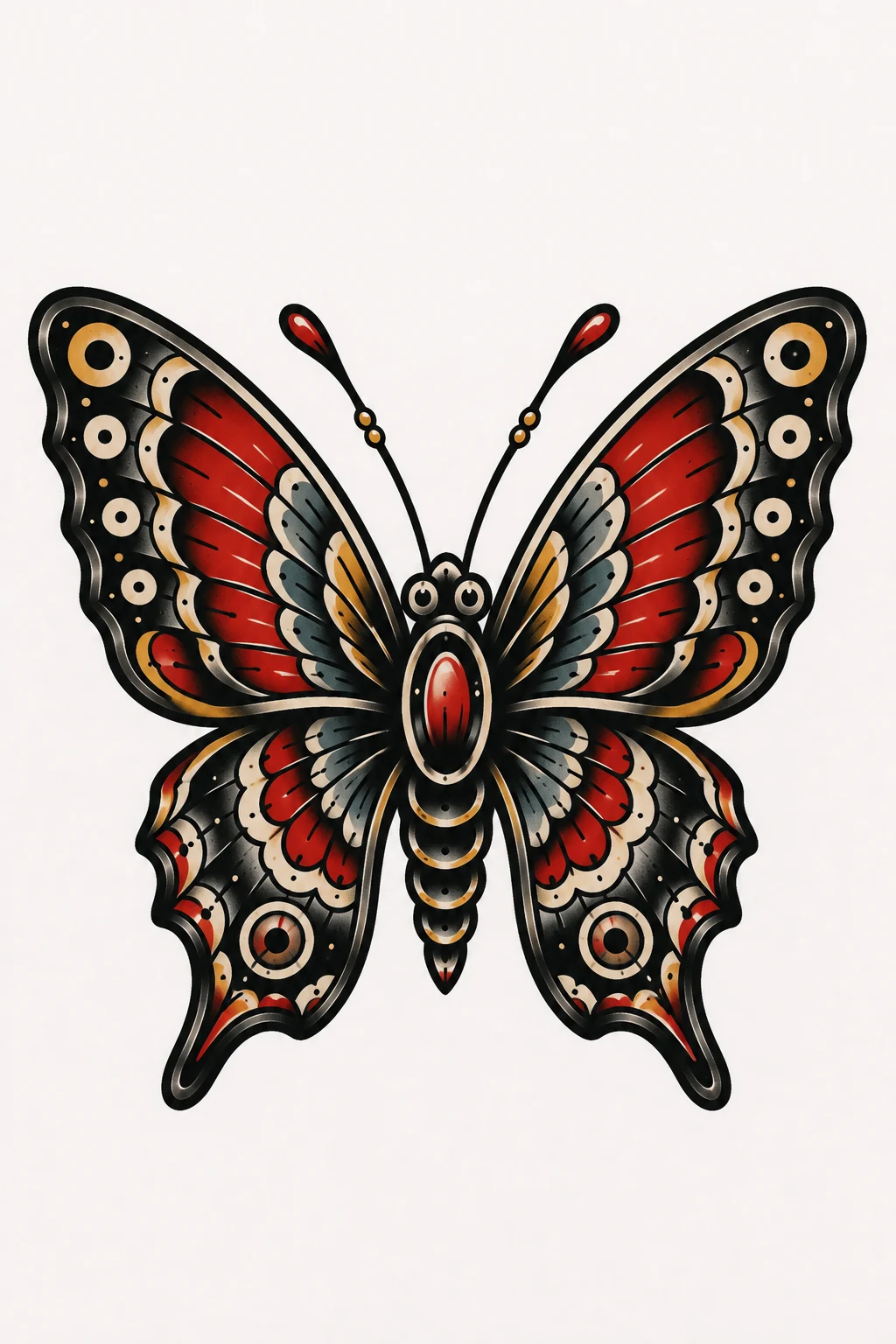
A traditional butterfly tattoo on knee placement turns the body’s roundest, trickiest canvas into part of the artwork. The butterfly can sit directly over the kneecap, with the wings extending naturally around the joint, creating an eye-catching symmetrical effect.
This placement requires an artist who understands how tattoos behave across moving anatomy. The stencil should account for the kneecap, surrounding tendons, and the way the skin changes when the leg bends. A slightly larger design generally gives the artist more room to maintain clean lines.
Expect the process to feel more intense than tattooing some flatter areas, so plan your appointment accordingly. Your artist’s aftercare instructions should always take priority during healing.
The key to this look is anatomical placement, using the knee’s natural shape as part of the butterfly design.
9. Ornamental Butterfly With Classic Details
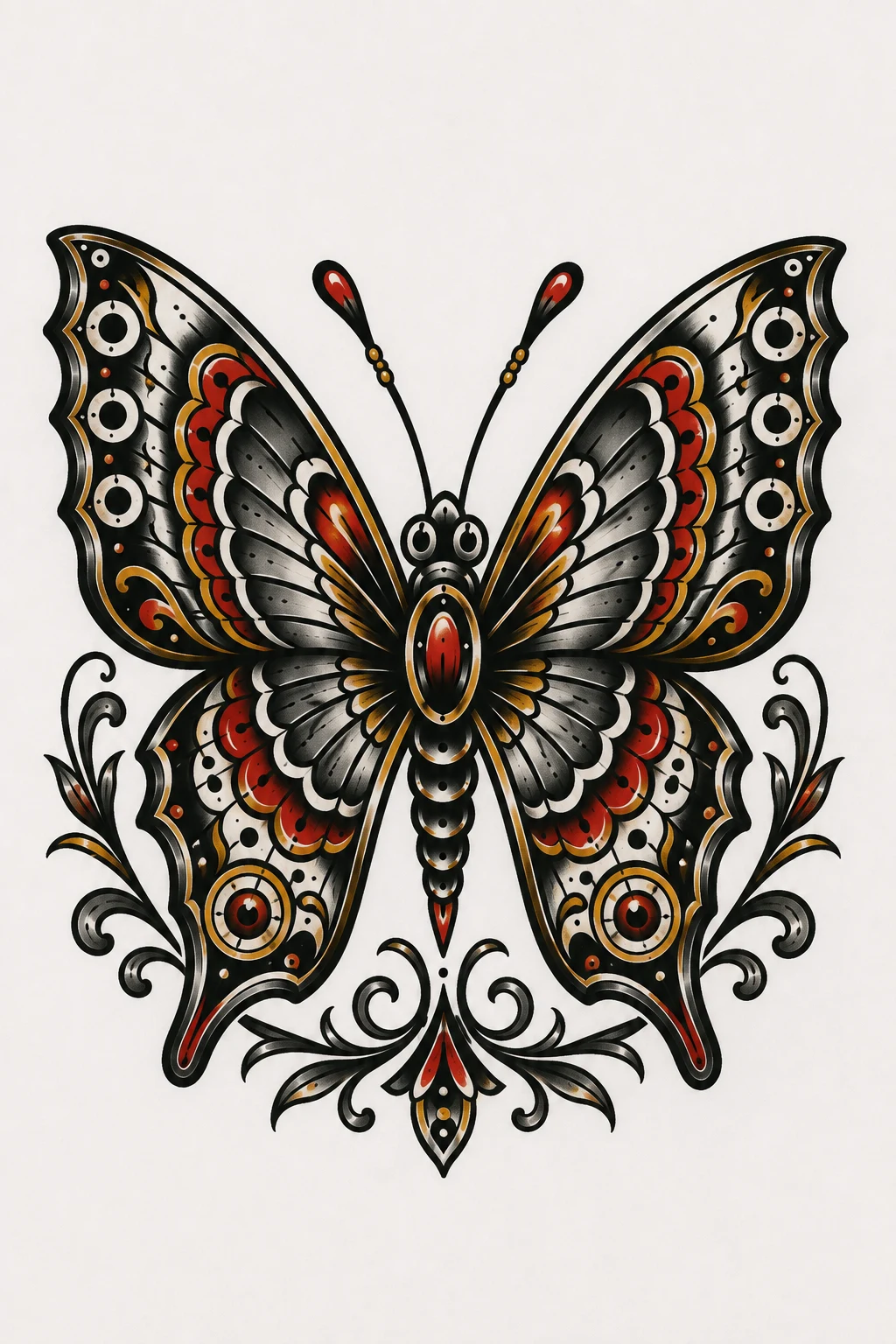
For a more personalized take, build your traditional butterfly tattoo around classic additions such as a rose, dagger, banner, stars, flames, or small ornamental dots. The butterfly remains the central subject while the supporting elements create a story around it.
One popular approach is pairing jewel-toned wings with a small red rose beneath the body. Another is using a dagger through the butterfly for a dramatic flash-inspired composition. You can also incorporate initials or a short date on a banner without turning the piece into an overcrowded scrapbook.
Before adding extras, decide which element should grab attention first. A strong hierarchy keeps the tattoo readable from several feet away, which is exactly what traditional tattoo design does best.
The key to this look is visual hierarchy, giving the butterfly one clear starring role while secondary motifs provide context.
FAQ
What does a traditional butterfly tattoo mean?
A traditional butterfly tattoo can represent transformation, freedom, change, beauty, or a new chapter. Its meaning is personal, so added symbols such as skulls, roses, or daggers can shift the story toward mortality, love, or resilience.
How do you choose a traditional butterfly tattoo placement?
Choose the placement according to the desired size, visibility, and amount of detail. Forearms and calves suit compact flash designs, while the chest, thigh, and shoulder allow larger traditional compositions.
Why are traditional butterfly tattoos still popular?
Their strong outlines, limited color palettes, and recognizable silhouettes make them visually effective and adaptable. Classic tattoo styles also remain popular because well-designed pieces can complement both vintage and modern tattoo collections.
📚 You Might Also Like
- 9 Butterfly Tattoo Behind Ear Ideas That Look
Butterfly tattoo behind ear designs are small-to-medium tattoos placed just behind or around the ear…
- Dark butterfly tattoo: 12 Gorgeous Tattoo Ideas
A dark butterfly tattoo is a butterfly-inspired tattoo that uses black ink, deep shading, dramatic l…
- Butterfly skull tattoo: 12 Stunning Tattoo Ideas
A butterfly skull tattoo is a tattoo design that combines the delicate symbolism of a butterfly with…
- Butterfly tattoo ideas: 9 Top Tattoo Ideas for 2026
Butterfly tattoo ideas are creative tattoo concepts inspired by butterflies, using different sizes,…
- Butterfly Tattoo Design: 7 Gorgeous Ideas You’ll Want
Butterfly tattoo design is a timeless tattoo style that combines beauty, symbolism, and artistic ver…
The Bottom Line
A traditional butterfly tattoo can be tiny and understated or big enough to anchor an entire sleeve. The secret is choosing a design with strong structure, intentional color, and placement that suits the body’s shape. Traditional butterfly tattoo flash is ideal for a timeless look, while black-and-grey versions offer a more restrained finish. For something personal, add a rose, skull, dagger, or banner and build the symbolism around your own story. Before booking, save a few traditional butterfly tattoo drawings you love and discuss size, color, placement, and long-term readability with an experienced tattoo artist. Great ink should look exciting on appointment day—and still make you grin years later.
🛍️ Shop the Look — traditional butterfly tattoo
Our handpicked Amazon picks curated specifically for traditional butterfly tattoo:
As an Amazon Associate I earn from qualifying purchases.